Career Overview
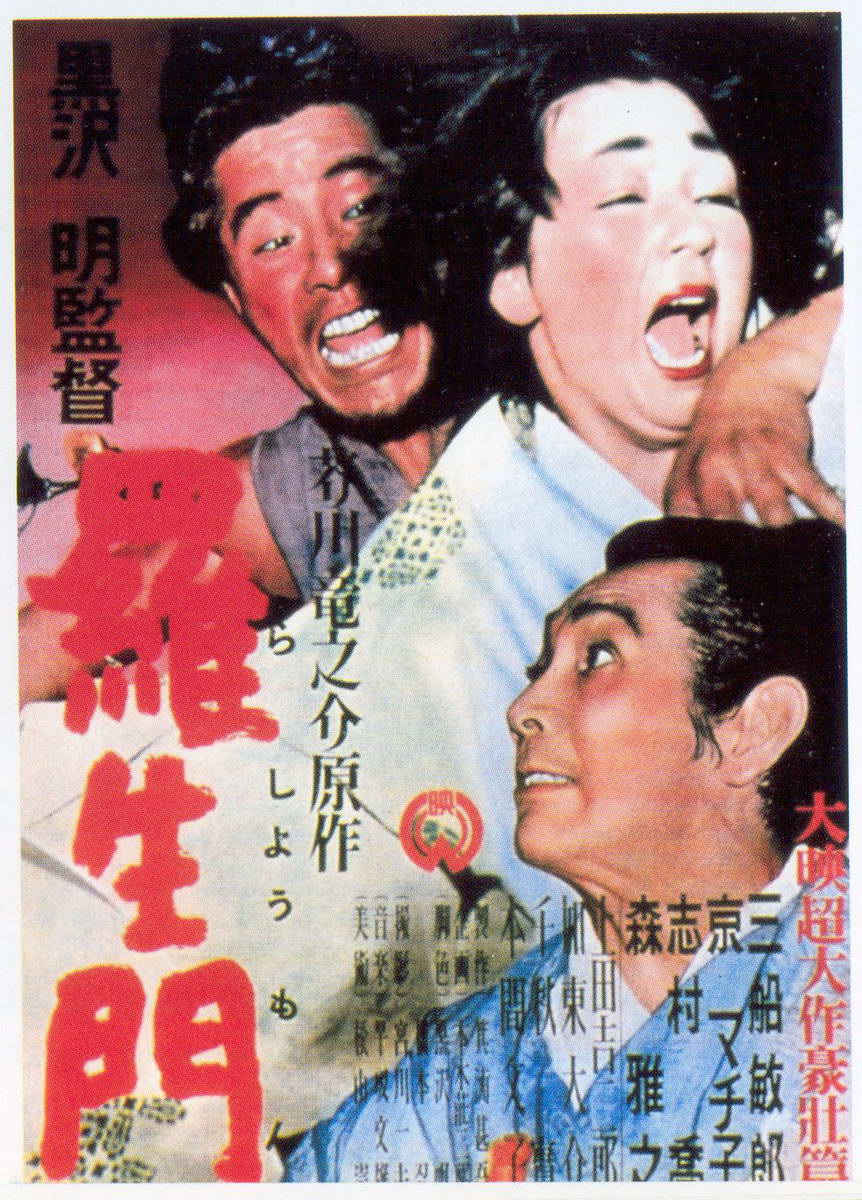
Akira Kurosawa occupies a monumental position in global cinema, recognized as a foundational figure whose work bridged Japanese cinematic traditions and Western narrative structures. His career arc reflects a continuous evolution from intimate, character-driven dramas to grandiose epics. Kurosawa first captured international attention with the release of Rashomon in 1950, a film that introduced Japanese cinema to a global audience and established his reputation for innovative storytelling. This breakthrough initiated a prolific decade where he defined his thematic and visual preoccupations, blending humanistic philosophy with rigorous formal control.
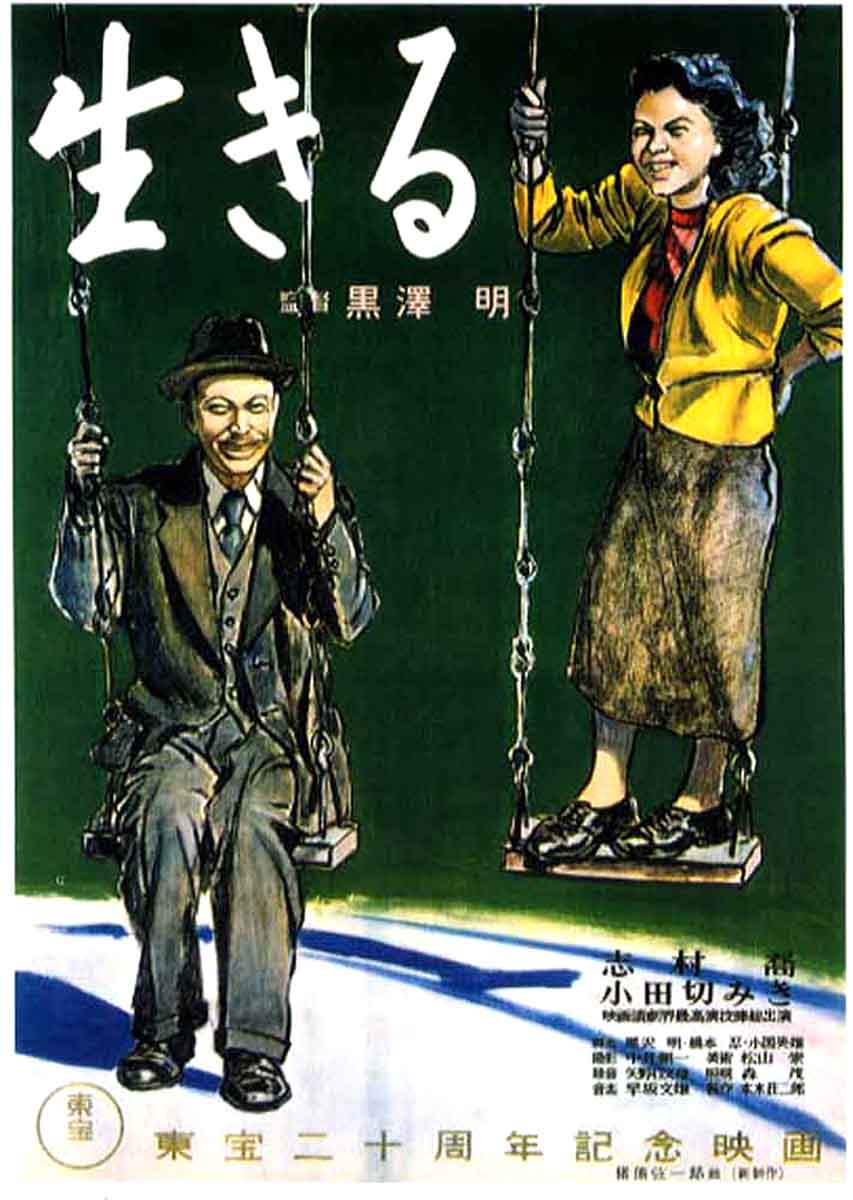
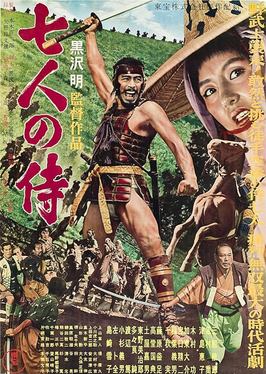
Throughout the 1950s, Kurosawa demonstrated a remarkable versatility by oscillating between deeply personal contemporary stories and sweeping historical narratives. With Ikiru in 1952, he offered a poignant exploration of mortality and bureaucratic challenges in post-war Tokyo. Just two years later, he directed Seven Samurai, a monumental achievement that redefined the action and samurai genres. This period solidified his status as a masterful storyteller capable of handling both melancholic atmospheres and epic heroism with equal dexterity.
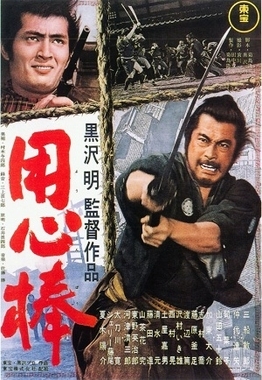
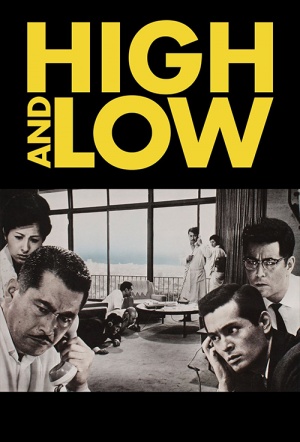
As his career progressed into the 1960s, Kurosawa continued to innovate by modernizing traditional genres and adapting Western literature. Films like the cynically charged Yojimbo in 1961 and the tense crime thriller High and Low in 1963 showcased his adaptable narrative skills. He engaged directly with the rapid socio-economic shifts of post-war capitalism, utilizing genre frameworks to dissect complex moral dilemmas and societal decay. His ability to seamlessly transition from samurai mythos to modern noir cemented his reputation as a versatile cinematic giant.
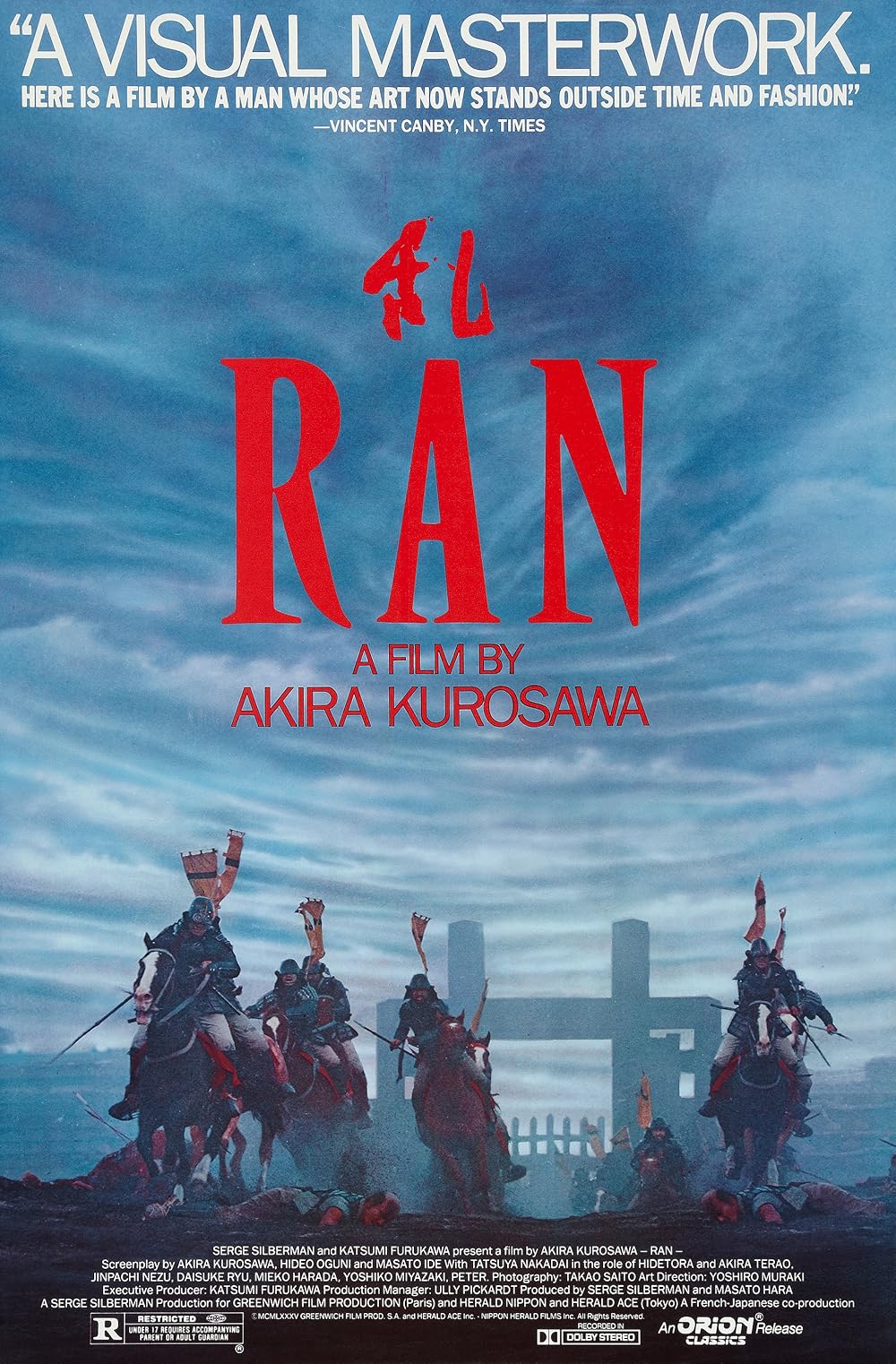
In the later stages of his career, Kurosawa returned to historical epics with renewed grandeur and a darker philosophical outlook. Ran, released in 1985, stands as a magisterial synthesis of his career-long obsessions with power, betrayal, and chaotic warfare. Critics frequently cite his late-period work as visually stunning, noting a pre-digital mastery that has rarely been matched. His journey from the rubble of post-war Japan to the apex of international filmmaking leaves a legacy of timeless quality that continues to influence contemporary media.
Thematic Preoccupations
At the core of Kurosawa's filmography is a profound humanistic perspective, constantly interrogating the moral responsibilities of the individual within a fractured society. He frequently explores themes of heroism and sacrifice, questioning what it means to live an honorable life. In Seven Samurai, this manifests as a meditation on community and leadership, where seasoned warriors undertake a deadly defense of a village knowing their sacrifice will go unrewarded. Similarly, Ikiru internalizes this struggle, presenting a journey of self-discovery where a dying bureaucrat seeks redemption by forcing a single meaningful project through an indifferent system.
The subjectivity of truth and the unreliability of memory form another major pillar of his philosophical inquiries. Rashomon famously dismantles the concept of objective reality, presenting conflicting narratives of a single crime to expose human vanity and deception. This exploration of human nature challenges the audience to recognize the inherent biases in all storytelling. Kurosawa suggests that truth is often obscured by ego, and this cynical undertone permeates much of his work, forcing viewers to confront the darker aspects of the human condition.
Kurosawa is also deeply obsessed with the corrosive nature of power and the inevitability of betrayal. His adaptations of classical tragedies into feudal Japanese settings, such as the King Lear parallels in Ran, highlight the devastating consequences of ambition and complex family relationships. The aging warlord's decision to divide his kingdom leads directly to war and chaos, emphasizing how the pursuit of power dismantles both familial bonds and societal order. These epic themes transform historical conflicts into intimate psychological tragedies.
Finally, his films frequently address the moral dilemmas inherent in modern capitalism and class division. High and Low utilizes a kidnapping plot to contrast the isolated wealth of a corporate executive with the desperate poverty of the criminal underclass. Likewise, Yojimbo uses the western template to riff on post-war greed, where rival gangs destroy a town in their quest for economic dominance. Across his filmography, Kurosawa returns to these thought-provoking themes, consistently examining how individuals navigate the corrupting influences of money, power, and institutional apathy.
Stylistic Signatures
Kurosawa is celebrated for a visual language characterized by dynamic composition, kinetic movement, and masterful use of the widescreen format. His mise-en-scene is famously meticulous, utilizing deep focus and geometric blocking to reflect the psychological states of his characters. In High and Low, he consciously uses the film's structure and elevated settings to reinforce the socio-economic divide between the wealthy protagonist and the desperate kidnapper. Rarely has widescreen framing been employed more effectively to delineate power dynamics and moral isolation.
His approach to action and editing set a new benchmark for cinematic innovation. Kurosawa deployed multiple cameras during chaotic warfare sequences, a technique that allowed him to capture the fluid, violent reality of combat from various angles. In Seven Samurai and Ran, his editing rhythms create a visceral sense of epic storytelling, seamlessly transitioning from sweeping vistas of huge armies to intimate, brutal close-ups of individual sacrifice. This pre-digital mastery of scale and motion ensures that his battle scenes remain thrilling crowd-pleasing action sequences while never losing their dramatic tension.
Environmental elements act as active participants in Kurosawa's cinematic universe. He frequently uses extreme weather, such as torrential rain, blistering wind, or oppressive heat, to amplify the melancholic atmosphere and externalize internal turmoil. The relentless downpour during the final battle in Seven Samurai or the oppressive summer heat in High and Low heightens the sensory experience and intensifies the character dynamics. These elemental forces underscore the vulnerability of his characters against the indifferent backdrop of nature.
Furthermore, Kurosawa's stylistic signature includes a unique method of adaptation, seamlessly grafting Western literary classics and hardboiled crime fiction onto Japanese cultural frameworks. Whether drawing from William Shakespeare or Ed McBain, he recontextualizes foreign narratives to explore indigenous historical and contemporary anxieties. This synthesis is bolstered by an authoritative command of sound and music, where traditional Japanese instrumentation frequently collides with Western symphonic structures, creating a deeply resonant and universally accessible cinematic language.
Recurring Collaborators
The consistency and emotional depth of Kurosawa's filmography owe much to his dedicated repertory of actors, most notably Takashi Shimura. Appearing in five of the database films, Shimura often served as the moral and humanistic anchor of the director's early masterpieces. His ability to project quiet dignity and profound regret is central to the poignant storytelling of Ikiru, where his portrayal of the dying bureaucrat remains legendary. In Seven Samurai, Shimura embodies honor and leadership as Kambei, providing a grounded, stabilizing presence amid the surrounding chaos.
Toshiro Mifune, another vital collaborator, brought an explosive, animalistic kineticism to Kurosawa's work. Contrastingly volatile where Shimura was restrained, Mifune commanded the screen in films like Yojimbo and High and Low. His performance as the cynical wandering samurai established an iconic archetype that would echo through global cinema, while his role as the conflicted shoe executive demonstrated his impressive dramatic range. The dynamic tension between Kurosawa's meticulous direction and Mifune's raw physical energy resulted in some of the most influential filmmaking of the twentieth century.
Tatsuya Nakadai also stands out as a crucial leading man, particularly in the latter half of Kurosawa's career. Featuring in three of the provided films, Nakadai brought intense character dynamics and authoritative performances to the screen. His work in Ran is particularly notable, capturing the tragic descent of a warlord consumed by power and betrayal. Nakadai's theatrical precision aligned perfectly with the grand, operatic scale of the director's late-period epic themes.
Beyond the principal stars, Kurosawa relied on character actors like Minoru Chiaki and Isao Kimura to populate his complex worlds. These performers provided essential texture, rounding out the communities in Seven Samurai and adding nuance to the bureaucratic nightmares of Ikiru. This trusted ensemble allowed Kurosawa to maintain uniformly excellent performances across diverse genres, ensuring that the complex family relationships and moral dilemmas at the heart of his scripts were fully realized by a cast attuned to his rigorous methods.
Critical Standing
Akira Kurosawa is universally regarded by critics and scholars as a titan of global cinema, whose work has maintained a timeless quality and significant cultural impact. From the moment Rashomon debuted, critics recognized a monumental shift in cinematic storytelling. Publications like The New York Times and The Hollywood Reporter frequently categorize his major works as monumental epics and flawless pieces of cinema. His critical reputation is built on his dual capacity for masterful direction and profound empathy, leading modern reviewers to note that his passing was a loss to cinema in a way the death of only a few directors could be.
His influence on contemporary media is staggering, particularly in how his adaptable narratives cross-pollinated with Western genres. Critics consistently highlight that Yojimbo was directly reworked by Sergio Leone into A Fistful of Dollars, fundamentally shaping the spaghetti western. Similarly, Seven Samurai serves as the acknowledged source of the modern action ensemble, inspiring numerous remakes and homages. This cross-cultural dialogue cemented Kurosawa's standing not just as a Japanese master, but as a foundational architect of modern global genre filmmaking.
Retrospective analyses of his career frequently emphasize his versatility and willingness to take enormous artistic risks. Reviews from Slant Magazine and The Guardian praise his ability to execute an epic noir procedural like High and Low with the same authoritative grip he applies to samurai films. Critics admire how he utilized the western template to riff on Japan's postwar leap into capitalism, proving that his genre exercises were always underpinned by rigorous socio-economic critiques and thought-provoking themes.
Today, Kurosawa's late-career epics, particularly Ran, are revered as glorious achievements that have only grown in critical estimation. Critics from the Los Angeles Times observe that his films stood out from the crowd during their initial release and do so even more today. His body of work remains a textbook example of perfect crowd-pleasing action intertwined with thorny moral implications, ensuring his place in the critical pantheon as a giant of visual styling and humanist storytelling.