Career Overview
Anthony Russo occupies a unique space in contemporary Hollywood history as a chief architect of the modern blockbuster mega-franchise. Rising from independent cinema and television comedy, his career trajectory represents the corporatization of the auteur in the twenty-first century. By taking the helm of the Marvel Cinematic Universe during its most critical juncture, Russo helped redefine the financial and structural possibilities of serialized studio filmmaking. His ascension to this role highlights a shift in industry priorities, where the ability to manage vast logistical apparatuses and navigate strict studio mandates is valued as highly as distinct personal vision.
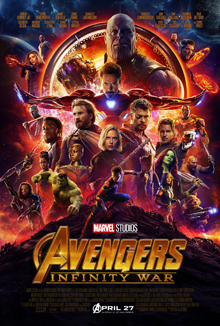
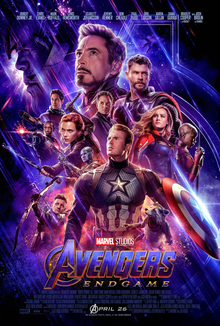
The transition from nimble comedic television to the gargantuan machinery of the superhero epic required a profound recalibration of directorial priorities. Rather than asserting a highly idiosyncratic visual style, Russo embraced the role of a master synthesizer. He was tasked with converging dozens of established narrative threads and character arcs into a cohesive monumental event. This approach resulted in works like Avengers: Infinity War and Avengers: Endgame, which function less as standalone cinema and more as the culmination of a vast serialized project, prioritizing saga continuation and franchise safeguarding over traditional, self-contained dramatic storytelling.
Consequently, Russo sits at the center of ongoing debates regarding the nature of the contemporary blockbuster. His films are frequently compared to monumental cinematic achievements like The Lord of the Rings: The Return of the King or Star Wars: The Empire Strikes Back due to their massive cultural footprint and reliance on epic, multi-part conclusions. Yet, his position in cinema history is fundamentally tied to the evolution of intellectual property. He marks a definitive shift from the director as a solitary, independent storyteller to the director as a highly efficient conductor of a vast corporate symphony.
Thematic Preoccupations
Across his defining cinematic epics, Russo exhibits a recurring preoccupation with the burdens of heroism, collective sacrifice, and the inescapable consequences of systemic failure. In Avengers: Infinity War, this manifests through a narrative structure that deliberately fractures the traditional superhero triumph. The film explores what happens when overwhelming cosmic threats outmatch individual exceptionalism. It is an exploration of loss that ripples deeply through his subsequent work, questioning the limits of personal agency when confronted by apocalyptic inevitability.
The thematic core of Avengers: Endgame is inextricably linked to grief and the relentless passage of time. Russo dedicates significant narrative real estate in the first act to examining the psychological toll of catastrophic defeat on his sprawling ensemble. The characters are forced to navigate survival in a fractured, post-cataclysmic world, foregrounding emotional depth alongside the expected blockbuster spectacle. This focus on trauma and psychological recovery grounds the staggering scale of the narrative in recognizable, potent human vulnerability.
Furthermore, Russo continually interrogates the tension between fan-focused content and the necessities of genuine dramatic stakes. The sprawling ensemble casts require an intricate balancing act, where satisfying character arcs must constantly be weighed against the momentum of the overarching narrative. However, critical discourse frequently highlights how these profound themes are sometimes diluted by the necessities of the franchise model. The pursuit of closure is often negotiated through a corporate framework, resulting in a complex blend of cathartic, impactful emotional beats and familiar, formulaic storytelling resolutions.
Stylistic Signatures
The visual and stylistic language deployed by Russo is characterized by a dizzying commitment to scale and ambition. His approach to mise-en-scene in works like Avengers: Infinity War relies heavily on maximizing the impact of monumental computer-generated environments and large-scale kinetic action. Rather than prioritizing intimate or poetic compositions, the framing is consistently engineered to accommodate massive ensembles and spectacular visual effects. This establishes a staggering sense of spatial magnitude that emphasizes the overwhelming nature of the threats facing his protagonists.
Pacing and rhythm are among Russo's most distinct and highly debated directorial signatures. He demonstrates a borderline-gutsy ability to manage overstuffed narratives, utilizing a steady, propulsive momentum to propel the viewer through a labyrinth of intersecting plotlines. While some critics note that this relentless cross-cutting can result in a fragmented narrative structure and an occasional lack of clarity, it also generates a thrilling and breathless viewing experience. The editing in his three-hour epics is precision-engineered to make immense runtimes zip by at lightspeed, ensuring the sprawling machinery rarely seems to stall out.
Tonally, Russo relies on a carefully calibrated blend of action and faux-improvised humor to undercut moments of severe melodrama. Even during the darkest narrative beats, a persistent thread of levity is maintained to anchor the monumental stakes in relatable character dynamics. This juxtaposition of cosmic dread and witty repartee has become a defining stylistic hallmark. It ensures that the relentless blockbuster spectacle remains emotionally accessible, allowing audiences to find genuine humor throughout the narrative even as the cinematic universe faces total annihilation.
Recurring Collaborators
The directorial achievements of Anthony Russo are built upon the foundation of an expansive, highly recognizable ensemble cast. His ability to wrangle a galaxy of prominent stars into a cohesive narrative unit is central to his logistical and artistic methodology. Actors such as Robert Downey Jr. and Chris Evans serve as the emotional and philosophical anchors of his cinematic universe. Their extended collaborations with Russo allowed for the development of deeply satisfying character arcs that evolved significantly, providing the crucial emotional resonance necessary to balance the surrounding digital spectacle.
Russo also frequently relies on the versatile performances of Mark Ruffalo, Chris Hemsworth, Scarlett Johansson, and Don Cheadle to maintain character balance within his densely populated frames. Hemsworth, in particular, is frequently utilized to channel the director's signature blend of humor and pathos, while Johansson and Cheadle provide crucial dramatic grounding during sequences of dizzying scale. The shared history between the director and these performers translates into an effortless on-screen chemistry that elevates the often formulaic elements of the script and provides much-needed continuity across the multi-film saga.
Beyond the principal cast, Russo's creative partnerships extend to the massive logistical apparatus of modern studio filmmaking. The consistent collaboration with large-scale visual effects houses is the true engine of his stylistic output, defining the aesthetic boundaries of his superhero epics. This reliance on post-production artistry underscores his role as a managerial auteur, where directing involves coordinating an army of digital artists to synthesize practical, emotionally nuanced performances with staggering synthetic environments and entirely digital antagonists.
Critical Standing
The critical reception of Anthony Russo is characterized by a sharp divide between admiration for his unparalleled logistical triumphs and skepticism regarding his artistic individuality. For many critics and devoted audiences, films like Avengers: Endgame represent the absolute pinnacle of fan service and serialized storytelling. Reviews frequently praise his capacity to deliver impactful emotional beats and overall emotional satisfaction, noting that managing such a sprawling narrative architecture without stalling out is a staggering triumph of storytelling. His ability to check all the expected boxes while providing genuine closure is widely celebrated in mainstream film discourse.
However, a significant faction of the critical establishment views his work as the epitome of corporate influence over cinematic art. Publications often describe his superhero epics as bloated, overstuffed, and occasionally incoherent. Critics have pointed out that while the films strive for monumental catharsis, every serious narrative beat is sometimes undercut by pro-forma execution, unremarkable aesthetic choices, and mindless blockbuster spectacle. When compared to the relatively contained, character-driven focus of Joss Whedon's first Avengers movie, Russo's iterations are sometimes criticized for prioritizing franchise scale over thematic focus.
Despite these structural and stylistic criticisms, Russo's prominent place within contemporary film discourse is undeniable. Comparisons to landmark franchise conclusions like Harry Potter and the Deathly Hallows: Part One highlight his instrumental role in normalizing the multi-part cinematic climax. While some reviewers lament a perceived lack of clarity and focus, others celebrate his surprisingly nimble ability to juggle a galaxy of characters in interesting and dramatic ways. Ultimately, Russo stands as a defining figure of his era, a filmmaker whose staggering commercial success and mastery of the serialized blockbuster have forever altered the expectations of the Hollywood epic.