Career Overview
Ben Gregor's emergence into the mainstream cinema landscape marks a fascinating intersection between classic literary adaptation and modern digital filmmaking. His directorial trajectory positions him as a shepherd of beloved childhood lore. He brings a modernized lens to traditional British fantasy frameworks, focusing on grand adventures that remain anchored by relatable human emotions.
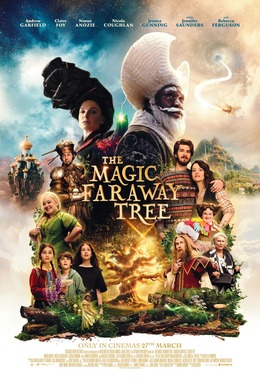
The culmination of this trajectory is arguably The Magic Faraway Tree, a project that demonstrates his capacity to handle dense, fantastical world building without losing sight of human scale. Moving into the expansive territory of adventure and family fantasy, Gregor proves adept at updating legacy properties for a new generation. He balances reverence for source material with the dynamic pacing required by contemporary audiences.
Within contemporary cinema history, Gregor occupies a space alongside other modern fantasists who attempt to capture the innocence of midcentury storytelling. His work suggests a distinct cinematic lineage, bridging the gap between practical effects driven classics and modern computer generated spectacles, securing his place as a reliable architect of cinematic escapism.
Thematic Preoccupations
At the core of Gregor's cinematic preoccupations lies the transformative power of displacement. In The Magic Faraway Tree, the inciting incident is a geographical relocation to the countryside, a trope that Gregor mines not for trauma but for imaginative awakening. The boundary between the mundane domestic sphere and the extraordinary becomes a porous membrane, allowing familial bonds to be tested and ultimately strengthened through shared fantastical experiences.
Gregor consistently interrogates the nature of childhood innocence and its resilience in the face of the bizarre. His narrative structures frequently mirror classic midcentury fantasy literature, drawing direct comparisons to works like Narnia. However, his philosophical concern rests less on theological allegory and more on the immediate, tangible virtues of curiosity and cooperation. His protagonists are inherently likable, serving as optimistic avatars for the audience as they navigate eccentric landscapes.
Furthermore, his work emphasizes the harmonization of the natural world with the magical. The environment itself, often stylized in ways similar to The Shire, acts as an active participant in the emotional growth of the characters. Gregor utilizes these magical adventure elements to externalize the internal maturation process of youth, proposing that true understanding of the world requires an embrace of the fantastical.
Stylistic Signatures
Gregor approaches his visual storytelling with a distinct modern adaptation style, blending contemporary pacing with nostalgic aesthetic palettes. His mise-en-scene is characterized by a lively atmosphere, often saturated with rich colors and intricate production design that evokes classic illustrations. He avoids the desaturated, gritty realism that plagues much of modern fantasy, opting instead for a luminous visual language that highlights the wonder of the environments he constructs.
The cinematic rhythms in Gregor's work are buoyant and propulsive. Critics frequently note the sweet-natured storytelling, which is formally supported by unobtrusive, fluid camera movements and editing that favors clarity over chaos. Even during complex magical sequences, his framing remains focused on the performers, ensuring that the visual effects serve the comedy and the character dynamics rather than overwhelming them. This approach allows his sharp gags to land effectively within the sprawling fantastical contexts.
Sonically and visually, his films often harbor echoes of Chitty Chitty Bang Bang, embracing a theatricality that feels both vintage and refreshed. The costuming and creature design lean into an eccentric charm, carefully balancing whimsical abstraction with tactile reality. By anchoring his elaborate visual compositions with grounded, energetic performances, Gregor maintains an accessible tone that appeals broadly across generations.
Recurring Collaborators
While the current database of Gregor's major theatrical work, notably The Magic Faraway Tree, does not highlight an established troupe of recurring onscreen actors, his directorial methodology relies heavily on assembling cohesive ensemble casts. His ability to foster lively performances indicates a deeply collaborative environment on set. Gregor clearly prioritizes actors who can navigate the specific tonal demands of earnest family fantasy while executing sharp comedic timing.
Behind the camera, Gregor's reliance on elaborate world building suggests tight, ongoing partnerships with production designers and visual effects supervisors. To successfully execute environments that draw comparisons to The Shire, a director must establish a unified vision with their art department. This collaborative synergy is essential to achieving the rich, tactile magical realism that defines his aesthetic.
Furthermore, the adaptation process for beloved literary properties requires a delicate partnership with screenwriters and literary estates. Gregor's success in mounting a modern adaptation style indicates his capacity to collaborate effectively with writers who share his commitment to sweet-natured storytelling. These behind the scenes alliances form the unseen foundation of his cinematic output, enabling the seamless integration of visual wonder and narrative warmth.
Critical Standing
Ben Gregor occupies a warmly regarded space within contemporary film criticism, largely celebrated as a revitalizing force in the family fantasy genre. Reviewers have praised his ability to mount sweeping narratives without sacrificing emotional intimacy. Critics from outlets like The Guardian have specifically highlighted his work as a thoroughly likable and sweet-natured family fantasy film, pointing to a directorial sincerity that stands out in an era often defined by cynical or overly self aware blockbuster filmmaking.
His critical standing is frequently contextualized through comparisons to monumental touchstones of the fantasy genre. By successfully evoking the spirit of Narnia and the aesthetic warmth of The Shire, Gregor has earned respect for his deft handling of formidable literary and cinematic legacies. Critics acknowledge his modern adaptation style as a successful bridge between past and present, updating pacing and humor while preserving the wholesome core of the source materials.
While some purists might view his emphasis on lively atmospheres and sharp gags as deviations from strict traditionalism, the prevailing critical consensus views these elements as necessary and successful updates. His reputation is thus solidified as a dependable, highly skilled craftsman of magical adventures. As family cinema continues to evolve, Gregor is consistently recognized as a director who honors the intelligence and imagination of his younger audiences while providing rich nostalgic value for adults.