Career Overview
Byron Howard occupies a distinctive space in contemporary American animation, bridging the gap between traditional narrative structures and progressive sociopolitical allegory. His work at Walt Disney Animation Studios represents a pivotal evolution in the company's modern era. By pushing the boundaries of what family-oriented entertainment can address, he has cultivated a reputation as a filmmaker who respects the intelligence of his audience. His trajectory from a classical animator to a leading directorial voice demonstrates a persistent desire to elevate the medium.
Howard began his career as an animator during the final years of the Disney Renaissance, absorbing the foundational principles of character construction and visual storytelling. He eventually transitioned into directing, a move that allowed him to shape the thematic ambitions of the studio. His early directorial efforts laid the groundwork for a more sophisticated, character-driven approach to animated storytelling, signaling a departure from simple fairy tales toward contemporary parables.
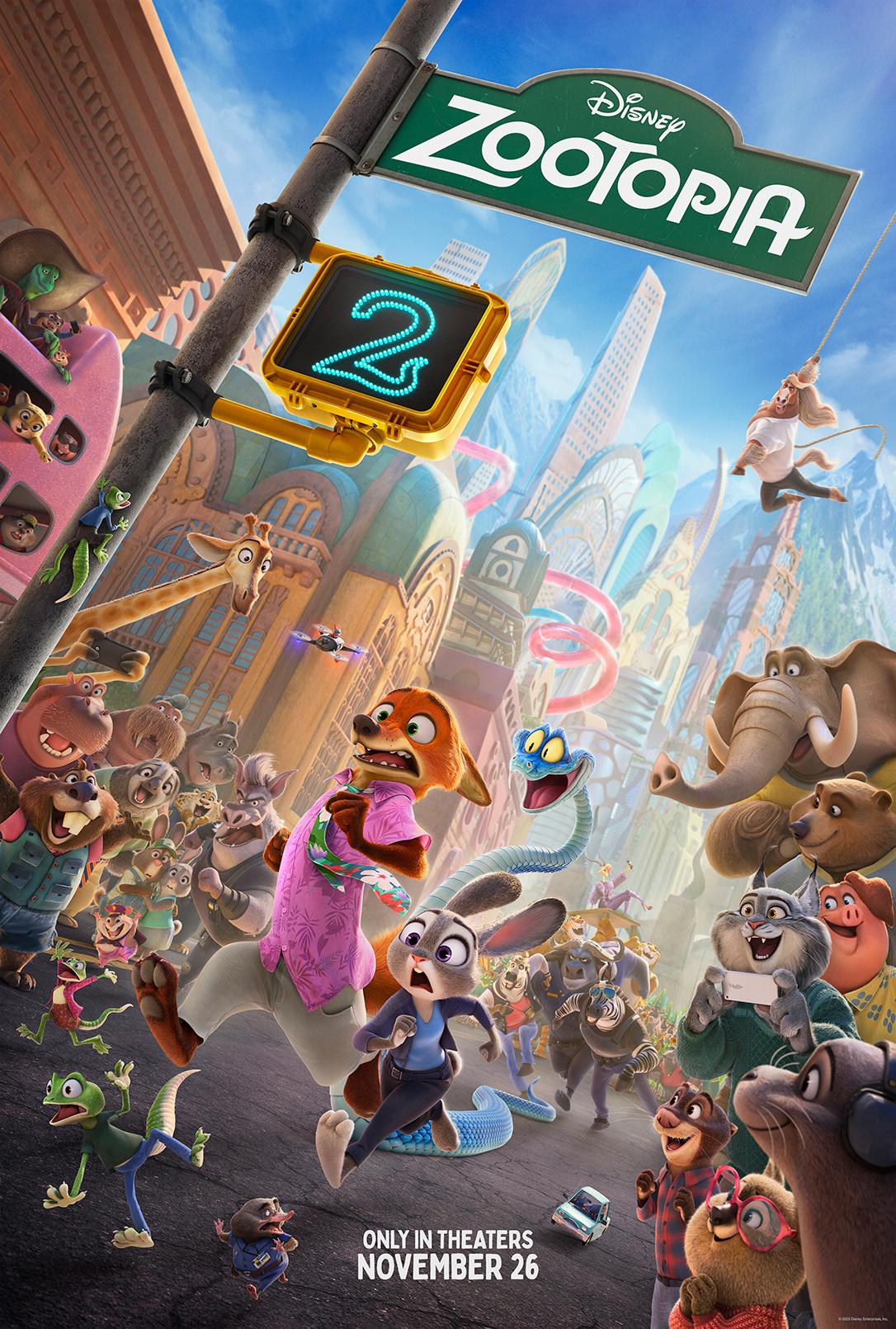
With the release of Zootopia 2, Howard solidifies his standing as an auteur capable of balancing commercial imperatives with rigorous thematic inquiry. He has helped redefine the modern animated blockbuster, demonstrating that studio animation can accommodate complex moral frameworks and intricate world building without sacrificing mass appeal. His position in cinema history is increasingly defined by this synthesis of ambitious scale and heartfelt intimacy.
Thematic Preoccupations
A central preoccupation of Howard's cinematic universe is the tension between individual identity and societal expectation. His narratives frequently interrogate the construct of prejudice, utilizing anthropomorphic metaphors to explore systemic inequalities. In Zootopia 2, the exploration of community and belonging is paramount. Characters are constantly navigating environments that demand both assimilation and the assertion of unique cultural identities, forcing the audience to consider the friction between cooperation and personal truth.
The philosophical concept of social justice forms the bedrock of his most acclaimed work. Howard refuses to present a simplistic binary of good and evil, opting instead to construct worlds where systemic bias and historical animosities complicate the characters' pursuit of harmony. The mystery at the heart of Zootopia 2 serves as a vehicle to unpack these intricate social dynamics, presenting well-intentioned protagonists who must unravel conspiracies that threaten the very fabric of their diverse societies.
Furthermore, Howard is deeply invested in the emotional realities of his protagonists. The genuine heart noted by critics arises from his commitment to character vulnerability. Whether grappling with personal ambition or confronting the limitations of their own perspectives, his protagonists must constantly reconcile their internal moral compasses with a deeply flawed external world. This continuous search for identity amidst a chaotic landscape remains his most defining obsession.
Stylistic Signatures
Howard's visual language is characterized by ambitious world building and a meticulous attention to environmental detail. His approach to mise-en-scène involves layering intricate, densely packed frames that convey the complexity of a bustling metropolis. The environments in Zootopia 2 are not merely passive backdrops but active participants in the narrative, reflecting the social stratifications and cultural intersections of the society. Every architectural choice and background element is designed to enrich the thematic subtext.
A zippy, kinetic editing rhythm is a hallmark of his directorial style, particularly during action sequences and comedic set pieces. Howard balances this rapid pacing with moments of striking visual stillness, allowing the emotional resonance of the narrative to register. This interplay between uproariously funny kinetic sequences and heartfelt, lingering close-ups creates a dynamic viewing experience. He uses lighting and shadow not just for mood, but to visually map the moral ambiguities his characters face in uncharted territories.
In terms of character animation, Howard favors an expressive, highly physical style of performance. The anthropomorphized figures in his films exhibit a blend of animalistic traits and recognizable human gestures, a duality that visually reinforces his overarching themes of identity. The color palettes are often vibrant and saturated, yet they are strategically muted during sequences of profound thematic weight, utilizing visual contrast to underscore the gravity of his social commentary.
Recurring Collaborators
While specific vocal performers may rotate depending on the narrative requirements of individual projects, Howard relies on a stable cadre of animation professionals and story artists. This consistency in the creative brain trust allows for a sustained thematic focus across his filmography. The collaborative studio environment he fosters is evident in the seamless integration of humor and meaning that defines his strongest and most celebrated work.
The relationship between the director and his co-directors or writers is particularly crucial to his process. Animation is inherently a collective medium, and Howard's success hinges on his ability to synthesize diverse creative inputs into a unified vision. The rigorous story trust process utilized in films like Zootopia 2 ensures that the ambitious visual scope aligns perfectly with the overarching social commentary, preventing the narrative from collapsing under the weight of its own allegory.
Furthermore, Howard frequently collaborates with production designers and art directors who share his commitment to immersive environments. These artistic partnerships are essential for conceptualizing the intricate architectures and distinct ecological zones that characterize his cinematic worlds. The resulting visual density is a direct product of these sustained, highly specialized creative relationships, proving that his distinct authorial voice is fundamentally built upon robust studio collaboration.
Critical Standing
Howard enjoys a formidable critical reputation, frequently celebrated as a central figure in the contemporary revitalization of American studio animation. Critics often praise his ability to execute complex allegories under the guise of accessible entertainment. The critical reception of Zootopia 2 highlights a director operating at the peak of his conceptual powers, with reviewers noting that his social commentary feels more integrated than forced, elevating the picture above standard family fare.
However, his ambitious narrative structures occasionally invite rigorous critical scrutiny from formalists. Some analysts point to an uneven execution in character development, suggesting that the emotional arcs sometimes dance between manipulative and unmotivated to serve the broader allegorical points. Despite these structural critiques regarding pacing and narrative convenience, the overarching consensus remains highly favorable, with many scholars identifying his films as sophisticated texts worthy of serious academic analysis.
Ultimately, Howard's place within critical discourse is defined by his commitment to thematic depth. Reviewers consistently laud his projects as examples of mainstream animation at its best when balancing humor with meaning. As his filmography expands, he continues to be recognized not merely as a facilitator of uproariously funny comedy, but as a genuine auteur whose cinematic landscapes reflect and interrogate the anxieties of the modern world.