Career Overview
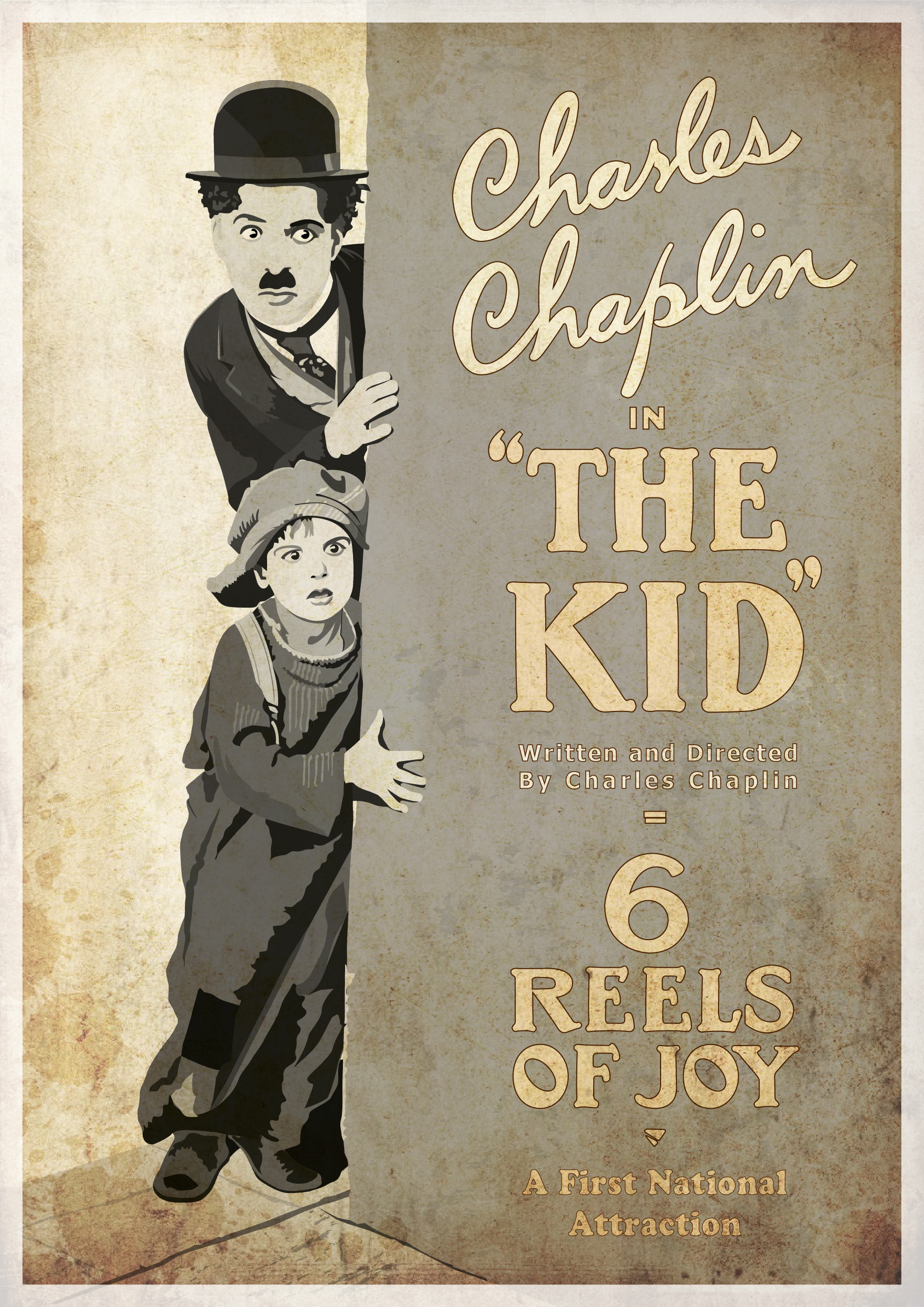
Charles Chaplin stands as one of the fundamental architects of early cinema, shaping the medium from its silent origins into a globally recognized art form. His trajectory from music hall performer to international auteur reflects the maturation of film itself. With The Kid, he proved that feature length comedy could sustain profound emotional resonance, moving beyond simple slapstick gags to pioneer a rich blend of humor and pathos.
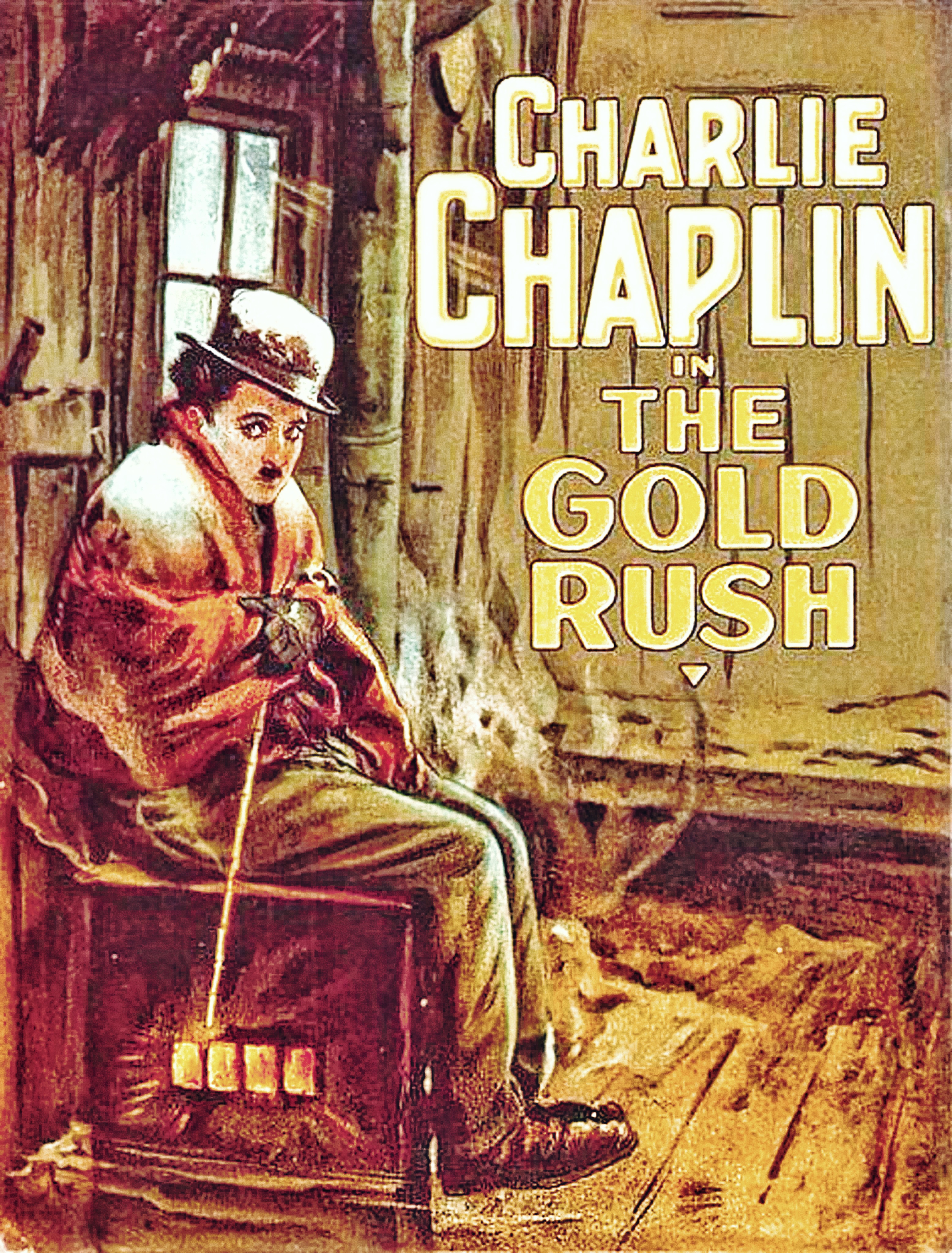
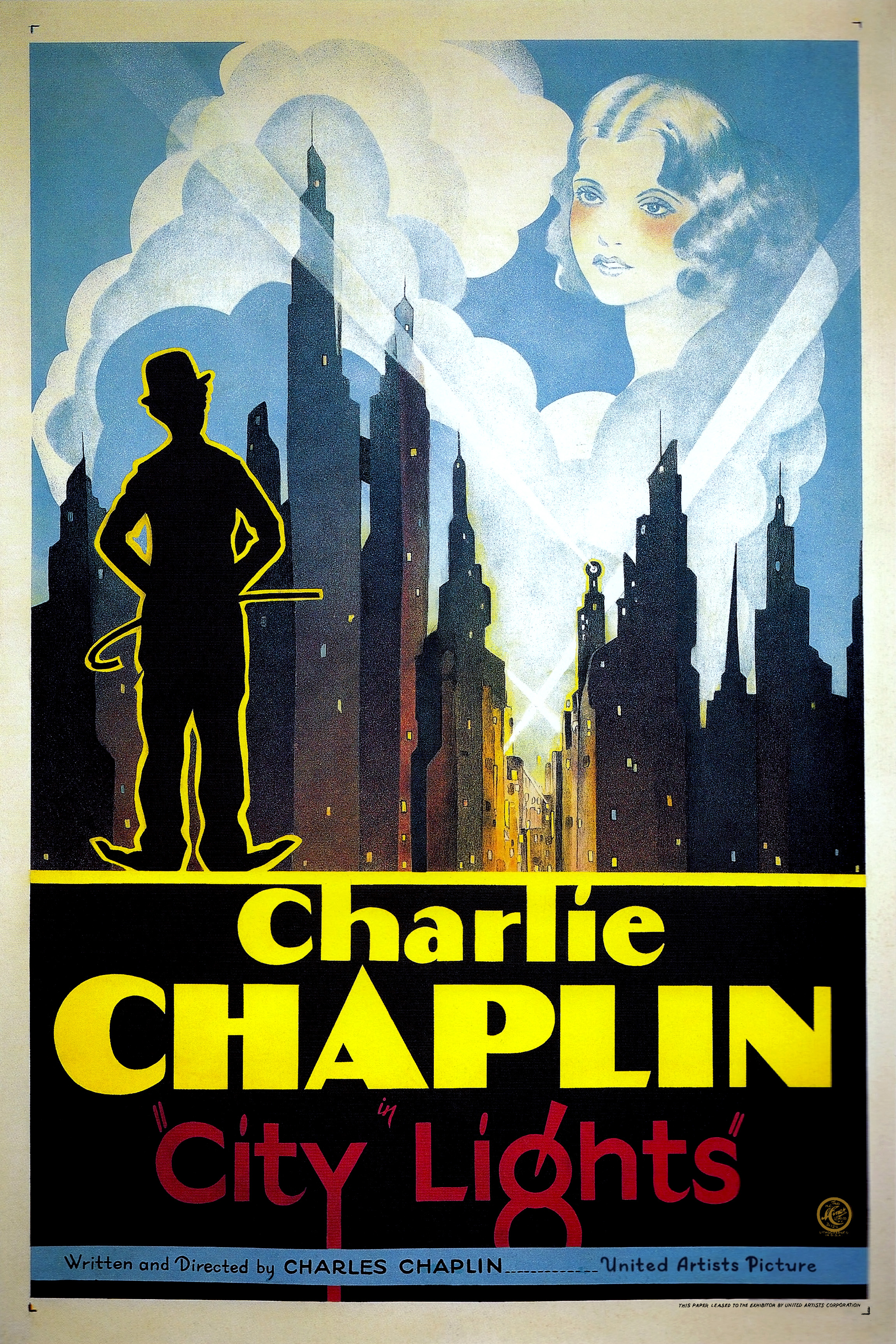
As the 1920s progressed, Chaplin achieved unprecedented autonomy, building his own studio and taking meticulous control over every aspect of production. This artistic freedom allowed him to craft The Gold Rush, a monumental achievement that solidified his global superstardom. Even as the industry transitioned to synchronized sound, Chaplin fiercely protected his unique pantomime style. He continued to produce silent masterpieces like City Lights well into the sound era, proving the enduring power of visual storytelling.
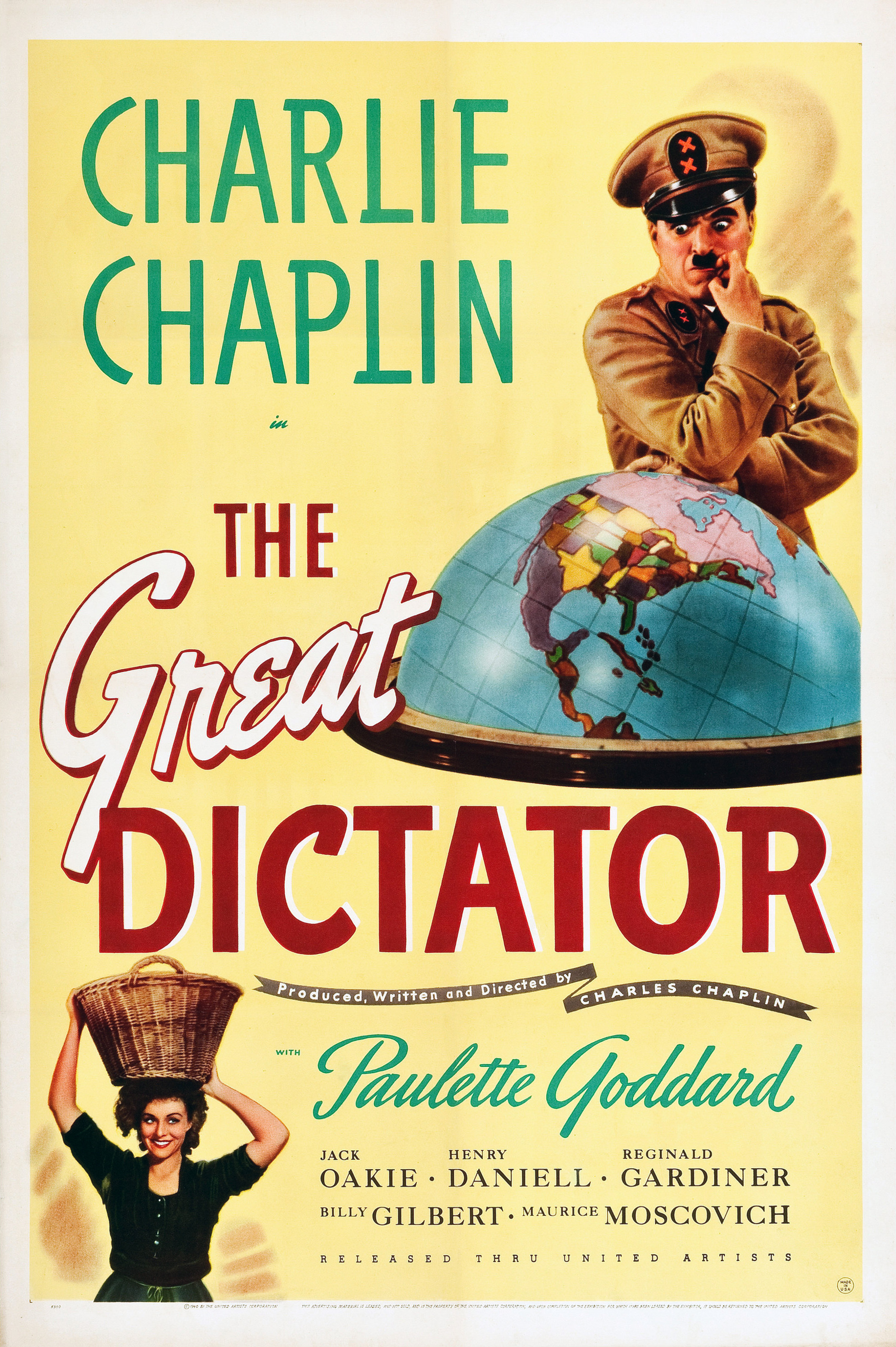
The later stages of his classic period reveal a filmmaker increasingly engaged with global political and economic anxieties. Modern Times served as his final bow for his iconic Tramp character and a transition toward more explicit social commentary. By the time he released The Great Dictator, Chaplin had fully embraced the spoken word to deliver a scathing critique of fascism. Throughout this evolution, his career remained a testament to a fiercely independent artist navigating the shifting tides of twentieth century history.
Thematic Preoccupations
A central preoccupation of Charles Chaplin is the resilience of humanity against oppressive, dehumanizing systems. In Modern Times, he dissects the psychological and physical toll of industrialization during the Great Depression. The narrative explicitly targets labor exploitation, portraying the worker as a literal cog swallowed by the massive gears of a mechanized society. This anxiety over modern industry positions his work alongside the socialist critiques found in the montage sequences of Sergei Eisenstein and the poignant realism of Vsevolod Pudovkin.
Equally prominent is his exploration of profound human vulnerability, often expressed through themes of abandonment and starvation. The Kid centers on a deeply felt parent and child relationship born out of mutual destitution, grounding its comedy in the very real threat of societal intervention. The Gold Rush takes this focus on physical deprivation further, transforming the sheer terror of starvation into lyrical comedy. The iconic sequence where he prepares a boiled boot for a meal underscores his ability to mine human suffering for both laughter and heartbreak.
As his career progressed, Chaplin turned his satirical lens toward authoritarianism and geopolitical tyranny. The Great Dictator offers a brave, progressive exploration of totalitarianism and the persecution of Jews during the onset of World War II. By establishing a dual narrative that contrasts a megalomaniacal ruler with an amnesiac Jewish barber, Chaplin investigates the fragile boundary between power and powerlessness. This film cements his lifelong thematic obsession with the triumph of the marginalized individual over the crushing forces of institutional supremacy.
Stylistic Signatures
Chaplin developed a cinematic language rooted in the precise choreography of pantomime and physical comedy. His reliance on visual poetry rather than dialogue allowed his work to transcend linguistic barriers. In Modern Times, he famously resisted the industry standard of talking pictures, keeping his Little Tramp essentially speechless to preserve the mythic quality of the character. When he did incorporate sound in films like City Lights, he used a carefully curated soundscape of musical cues and synchronized effects to accentuate the silent comedy without distracting from the visual gags.
His structural approach frequently defied conventional Hollywood continuity. Critics note that his features sometimes function as interconnected vignettes rather than strictly linear narratives. The structure of Modern Times, for example, resembles a collection of brilliant comedic shorts stitched together by overarching themes of industrial alienation and romance. This episodic pacing ensures constant audience engagement while allowing him to build elaborate vaudevillian set pieces out of ordinary environments, transforming the harsh Yukon of The Gold Rush into an absurdist stage.
At the heart of his visual style is an unprecedented mastery of tone, specifically the delicate balance between tragedy and joy. The celebrated Oceana Roll sequence from The Gold Rush exemplifies his ability to merge ridiculous, grandiose comedic highs with naked emotion. Whether executing an intricate physical sequence or delivering a blistering, synchronized parody of Adolf Hitler in The Great Dictator, his direction relies on holding wide shots to capture the full physical brilliance of the performance. This commitment to spatial integrity makes his slapstick routines feel simultaneously intimate and spectacularly expansive.
Recurring Collaborators
The most crucial creative partnership in the filmography of Charles Chaplin was with himself. As an autonomous creator, he directed, produced, wrote, edited, and scored his own motion pictures, establishing a model of authorship rarely matched in film history. This unparalleled control allowed him to maintain a singular vision across decades, ensuring that every frame served the precise emotional and comedic requirements of his iconic Little Tramp persona.
Beyond his own multifaceted contributions, Chaplin cultivated a reliable stock company of character actors who provided the perfect foil for his delicate pantomime. Heavyweight actor Henry Bergman appeared in three of the database films, frequently portraying authoritative or imposing figures that contrasted sharply with the slight physical stature of the Tramp. Similarly, Hank Mann and Mack Swain delivered memorable supporting performances, with the turn from Swain as the starving prospector Big Jim McKay in The Gold Rush anchoring one of the most famous comedic sequences in cinema history.
His selection of leading ladies also played a vital role in grounding his narratives in heartfelt romance. Paulette Goddard, who co starred in both Modern Times and The Great Dictator, served as a resilient and spirited equal rather than a conventional damsel in distress. Her dynamic presence matched his own energy, helping to translate his progressive themes of solidarity and survival into palpable on screen chemistry. These carefully chosen collaborators fleshed out the worlds he built, bridging the gap between broad caricature and sincere human emotion.
Critical Standing
The critical reputation of Charles Chaplin has remained overwhelmingly exalted, with his major works frequently cited as masterpieces of the cinematic form. From his early zenith in the 1920s, contemporaries and critics recognized him as a foundational genius of the silent screen. Retrospective analyses consistently praise City Lights and The Gold Rush for their perfect calibration of humor and pathos. Critics have noted that his films age remarkably well because their situations emerge from fundamental human hungers such as lust, greed, and the simple desire for connection.
While often celebrated for his universal appeal, Chaplin also invites serious critical engagement with his political messaging. Early reviews of The Great Dictator recognized it as a savage, incredibly brave critique that seemed specifically designed to irritate Adolf Hitler. Some modern critics align his social parables with the liberal fables of Frank Capra, while others connect his visual critiques of labor to the revolutionary cinema of Rene Clair and Soviet masters. His willingness to confront the horrors of World War II and the Great Depression proved that comedic cinema could serve as potent political discourse.
In contemporary film scholarship, Chaplin is frequently contrasted with his silent era peer Buster Keaton. While Keaton is often championed for his stoic formalism and technical ambition, Chaplin is revered for his profound character depth and emotional accessibility. Critics at publications like Slant Magazine and the Los Angeles Times continually affirm that his work serves as an essential teaching tool for understanding the zeitgeist of early twentieth century America. Ultimately, his legacy endures as a triumph of storytelling, immortalized by a cinematic language that remains both timeless and devastatingly relevant.