Career Overview
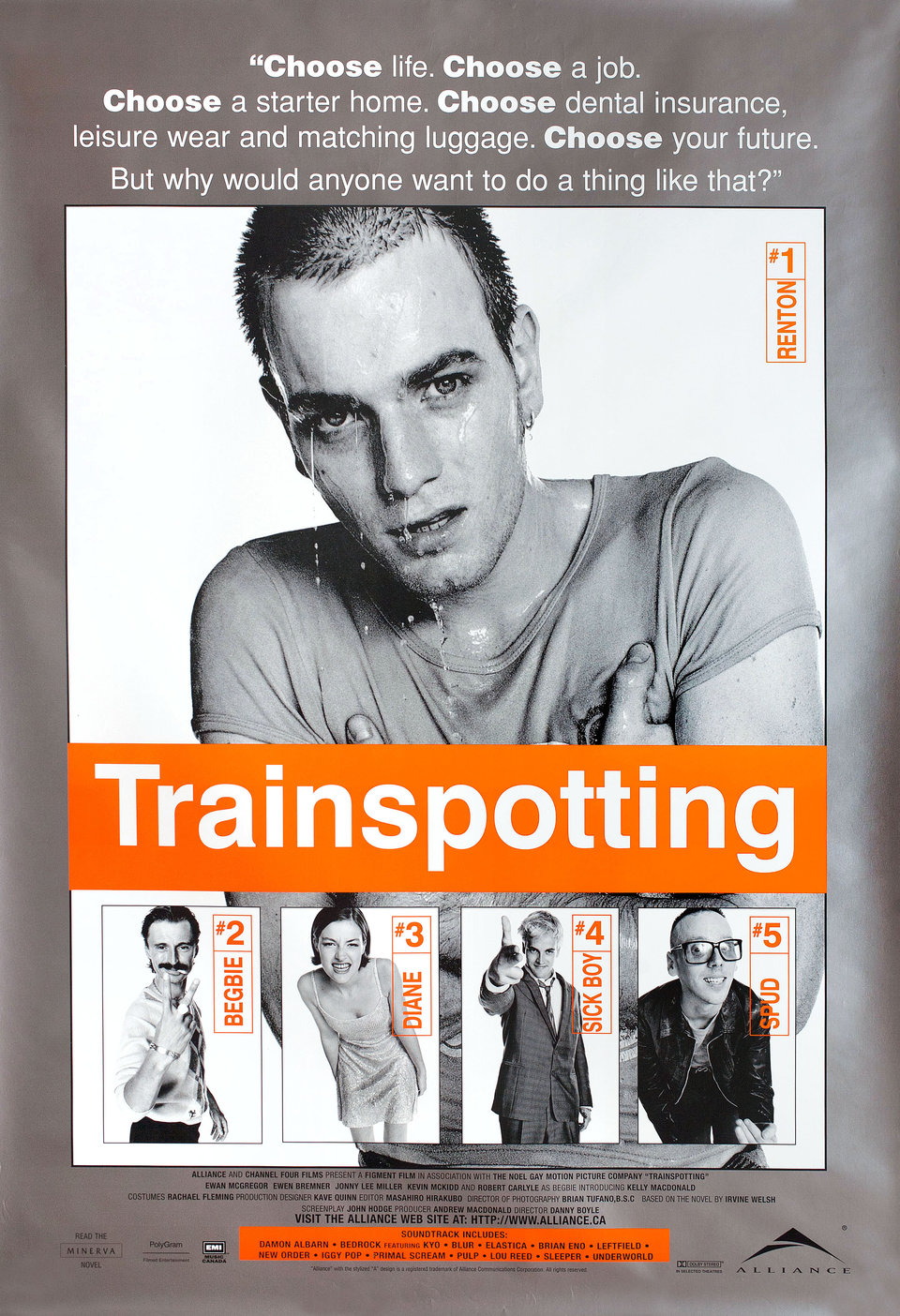
Danny Boyle emerged as a transformative figure in 1990s British cinema, injecting a dormant industry with an unprecedented dose of kinetic energy. His trajectory is inexorably linked to the release of Trainspotting in 1996, a project that cemented his reputation as a filmmaker capable of capturing the zeitgeist of a disaffected generation. By fusing avant-garde sensibilities with accessible pop culture aesthetics, Boyle carved out a unique space between arthouse experimentation and mainstream appeal.
Prior to his cinematic breakthrough, British film was often bifurcated into polite heritage dramas and bleak social realism. Boyle shattered this dichotomy. He approached marginalized communities with an authorial voice that was vibrant and unapologetic. His work immediately signaled the arrival of a director who viewed the medium not merely as a storytelling vehicle but as a visceral experience. This initial burst of creativity established a robust foundation for his career arc.
Today, Boyle is recognized as a visionary who redefined the boundaries of psychological drama and crime genres. His position in cinema history is that of a restless innovator. By continuously exploring the ragged edges of urban existence, he has maintained a relevance that few of his contemporaries can claim, ensuring his cinematic contributions are studied for their audacity and structural ingenuity.
Thematic Preoccupations
At the core of Boyle's cinematic project is a persistent fascination with addiction and recovery. However, he approaches these subjects not with clinical detachment but through intense character studies that highlight the subjective experience of dependency. The pursuit of an escapist narrative becomes a driving force for his protagonists, who constantly seek transcendence from their bleak environments. This yearning for escape operates as both a literal flight from circumstance and a psychological retreat from reality.
Equally prominent is his deep engagement with urban youth culture. Boyle dissects the intricate social fabrics of marginalized groups, using their localized experiences to offer broad cultural commentary. The environments in his films function as oppressive cages that mold the desires and failures of the inhabitants. Within these urban landscapes, strong friendships form the emotional spine of the narrative, providing both salvation and mutual destruction.
Finally, Boyle explores the paradox of human resilience through the lens of brash humor. He frequently juxtaposes the tragic consequences of crime and addiction with an energetic, almost defiant comedic sensibility. This tonal friction generates raw emotional resonance, forcing viewers to confront the humanity of his characters without relying on traditional moralistic frameworks. The result is impactful storytelling that refuses to simplify the chaotic reality of contemporary urban life.
Stylistic Signatures
Boyle is celebrated for a directorial style characterized by striking visuals and unrelenting momentum. He treats the camera as an active participant in the psychological states of his characters, employing a variety of techniques to keep the audience visually and emotionally engaged. Whether utilizing surreal hallucinatory sequences or aggressively skewed angles, his visual language is designed to manifest the internal chaos of his subjects directly onto the screen.
The editing rhythms in Boyle's work are equally distinctive, often mirroring the frenetic highs and debilitating lows of the chemical dependencies he depicts. This dynamic storytelling relies on rapid cuts, time manipulation, and a propulsive pace that leaves little room for passive viewing. The kinetic energy is carefully orchestrated to ensure that the form of the film always matches the volatile nature of its content.
Sound and music are never mere accompaniments in his filmography but essential structural elements. Boyle integrates popular music and abrasive soundscapes to anchor his narratives in a specific cultural milieu. Paired with the energetic performances he elicits from his casts, this auditory aggression completes a sensory barrage. The director demands full commitment from his actors, resulting in raw, uninhibited portrayals that fit seamlessly into his hyper-stylized worlds.
Recurring Collaborators
While Boyle frequently shifts his ensemble casts depending on the demands of specific projects, his creative partnership with actor Ewan McGregor stands as a defining element of his early filmography. McGregor serves as the perfect avatar for Boyle's restless energy, capable of navigating the complex tonal shifts required by the director. Their collaboration yields memorable characters that anchor the frantic visual style with authentic human vulnerability.
McGregor's presence in Boyle's work provides a necessary grounding force amid the stylistic excess. The actor possesses a unique ability to embody both the charismatic allure and the pathetic reality of youth culture. This duality allows Boyle to push the boundaries of his brash humor and dark thematic explorations without losing the audience's empathy. The synergy between director and actor elevates the material into profound psychological drama.
Beyond specific actors, Boyle frequently collaborates with a trusted circle of cinematographers and editors who understand his demand for striking visuals and rapid pacing. These behind-the-scenes partnerships are crucial to maintaining the consistent directorial style that defines his output. Together, they create a cohesive technical unit capable of translating ambitious, hallucinatory concepts into impactful cinematic realities.
Critical Standing
The critical reception of Boyle's work is largely defined by the seismic impact of his early successes. Reviewers universally praise his ability to deliver a brash, energetic, and often funny look at difficult subjects like young heroin addicts in Edinburgh. Critics from major publications consistently highlight his striking visual style and his capacity to employ diverse techniques to maintain fierce audience engagement.
Over time, the legacy of his breakthrough work has become a standard metric in British cinema. Analysts frequently cite his intense character studies and dynamic storytelling as turning points in the representation of urban youth culture. The term Trainspotting legacy is often invoked by critics to describe films that attempt to capture a similar blend of gritty realism and stylized kineticism, securing Boyle's status as a highly influential auteur.
Today, Boyle occupies a venerated place within critical discourse. While his brash stylistic choices occasionally polarize traditionalist critics, the consensus remains overwhelmingly positive regarding his raw emotional resonance. He is celebrated as a filmmaker who took the bleakest aspects of modern urban life and transformed them into vital, inescapable art, fundamentally altering the trajectory of contemporary cinema.