Career Overview
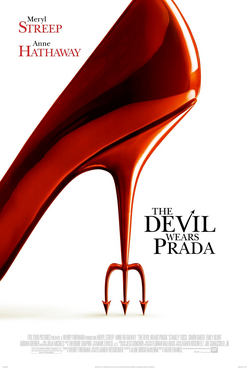
David Frankel has firmly established himself as a premier chronicler of elite Manhattan ambition, cementing his place in modern cinema history with the cultural phenomenon The Devil Wears Prada. His directorial career is defined by an astute ability to balance the frothy appeal of commercial comedy with sharp, critical observations on corporate culture and class mobility. By anchoring his narratives in specific professional ecosystems, Frankel elevated the character driven Manhattan comedies of the mid 2000s into enduring pop cultural touchstones that resonate well beyond their immediate aesthetic appeal.
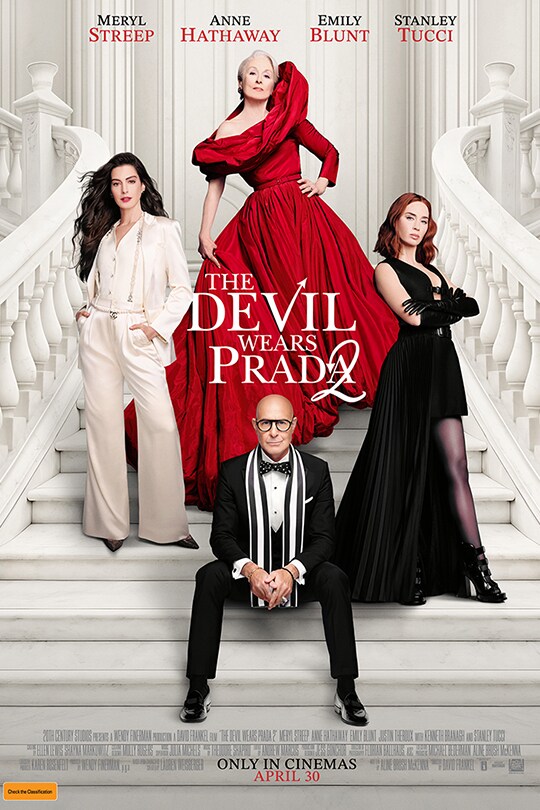
The trajectory of his filmography reveals a filmmaker highly attuned to the shifting economic realities of American media. The 2006 release of The Devil Wears Prada captured the publishing industry at the peak of its opulent excess, defining a cinematic era with its incisive look at aspirational labor. His decision to revisit this universe two decades later in the legacy sequel The Devil Wears Prada 2 demonstrates a rare ability to mature alongside his subjects. Instead of merely repeating a successful formula, Frankel adapted his focus to reflect contemporary anxieties regarding corporate liquidation and the erosion of journalistic integrity.
Ultimately, the career arc of Frankel reflects a transition from creating pure cultural fantasies to analyzing the decay of those same elite institutions. He possesses a unique talent for transforming niche professional anxieties into universally relatable cinema. His position in film history is therefore secured not just as a reliable architect of box office success, but as a subtle satirist who captured the zeitgeist of 21st century careerism with both glamorous flair and underlying melancholy.
Thematic Preoccupations
The core of the directorial preoccupations of Frankel lies in the profound tension between career ambition and personal sacrifice. His protagonists continually find themselves navigating morally ambiguous corporate landscapes where professional ascension demands the erosion of personal ethics. The fashion industry serves not merely as an aesthetically pleasing backdrop but as a crucible for character development, testing the boundaries of what ambitious professionals are willing to endure. He frequently constructs morality tales that ask whether the ultimate prize of executive power is worth the collateral damage inflicted upon the soul.
Media evolution and industry decline stand out as another central obsession, particularly evident in his later work. While his earlier narrative examined the grueling ascent within a stable and ruthless publishing empire, his subsequent storytelling confronts the systemic collapse of serious journalism. Frankel tackles the consequences of private equity interference, tech oriented corporate mindsets, and the transformation of respected publications into soulless content farms. He asks penetrating questions about the viability of artistic and journalistic integrity in an era dominated by corporate consolidation.
Nostalgia permeates his thematic explorations as well, though he employs the concept critically rather than sentimentally. Characters are forced to confront the widening gap between their idealized memories of a glamorous past and the stark, frequently ugly realities of modern corporate crises, such as public relations disasters involving sweatshop labor. Through this critical lens, Frankel creates an eerie ambiguity surrounding the institutions his characters once idolized, subtly critiquing the toxic workaholic lifestyles required to maintain a seat at the table of high society.
Stylistic Signatures
Frankel is celebrated for a visual language that seamlessly merges glamorous aesthetics with a fast paced narrative rhythm. His mise-en-scène is meticulously curated, utilizing luxurious high fashion, expensive stilettos, and designer costuming to visually communicate character hierarchy and emotional states. The dazzling environments he constructs operate simultaneously as aspirational eye candy and as gilded cages for his protagonists. His camera captures these spaces with a glossy sheen that deliberately masks the underlying brutality of the workplace.
A distinctly brittle humor and brilliantly witty dialogue define the auditory and tonal landscape of a Frankel picture. He favors rapid fire, imperious deliveries from his authority figures, a technique that keeps both the protagonist and the audience perpetually off balance. This energetic flair ensures that even the most exposition heavy boardroom scenes crackle with sassy charm. The pacing of his editing is tightly wound, mimicking the relentless, flurry like momentum of the elite media industry itself.
In terms of framing and composition, Frankel leans into a deliberately ambiguous visual presentation that highlights the isolation of authority. His camera often isolates figures of power in vast, impeccably decorated offices, subtly contrasting their immense cultural influence with a profound personal emptiness. Furthermore, he incorporates clever visual callbacks and color motifs (such as specific shades of cerulean or identical teal belts) to reward attentive viewers, creating a cohesive visual continuity that bridges the decades between his productions.
Recurring Collaborators
The most defining creative partnerships in the filmography of Frankel involve his core ensemble cast, a quartet of actors who have become entirely synonymous with his cinematic voice. Meryl Streep stands at the absolute center of this collaborative nexus, anchoring his narratives with famously poised and imperious performances. Her remarkable ability to inject vulnerability and private melancholy into otherwise tyrannical figures provides the emotional complexity necessary to elevate his morality tales above simple caricature.
Anne Hathaway serves as the essential audience surrogate and a compelling counterweight to the formidable authority figures Frankel constructs. The director relies heavily on her amiable demeanor and convincing portrayal of a career driven woman to ground the heightened, theatrical reality of the fashion world. Together, Streep and Hathaway form a dynamic duality that illustrates the cyclical, often destructive nature of professional mentorship and executive rivalry.
The supporting ensemble is equally vital to maintaining the signature tone of the director, with Emily Blunt and Stanley Tucci providing indispensable texture to his worlds. Blunt brings a frantic, brittle energy that expertly highlights the toxic demands of the industry, while Tucci offers a worldly, privately melancholic presence that often serves as the moral compass of the narrative. Beyond his actors, the ongoing collaboration with screenwriter Aline Brosh McKenna ensures that the dialogue remains razor sharp and socially attuned across multiple decades of cultural shifts.
Critical Standing
The critical reputation of David Frankel has undergone a fascinating evolution, shifting from gentle dismissal to retroactive veneration by art critics and cinephiles alike. Upon the initial release of The Devil Wears Prada, some prominent voices viewed his work as a predictable, albeit witty, modern iteration of classic Hollywood fashion comedies like Funny Face. Early detractors argued that his protagonists lacked genuine peril, framing the work as a polished but ultimately superficial romp through Manhattan high society that lacked serious thematic weight.
Over the subsequent two decades, however, critical consensus shifted dramatically, retroactively anointing his 2006 feature as an adored classic and a definitive text of mid 2000s cinema. Reviewers began to deeply appreciate the underlying eeriness and deliberate ambiguity of his character studies, recognizing a sophisticated critique of capitalism hidden beneath the luxurious outerwear. His ability to craft relatable characters within an entirely unattainable world earned him enduring respect, with modern critics frequently praising the deceptive depth of his character driven narratives.
The release of The Devil Wears Prada 2 firmly cemented his standing as a master of the notoriously difficult legacy sequel. Critics universally praised the film for avoiding the lazy repetition and empty fan service that typically plagues modern Hollywood reboots. Reviewers favorably compared his mature directorial eye to acclaimed continuations in other genres (such as Top Gun: Maverick), noting how he deftly updated his satirical targets to include private equity and the decline of print media. This widespread acclaim proved his enduring relevance and solidified his reputation as an astute, socially conscious filmmaker.