Career Overview
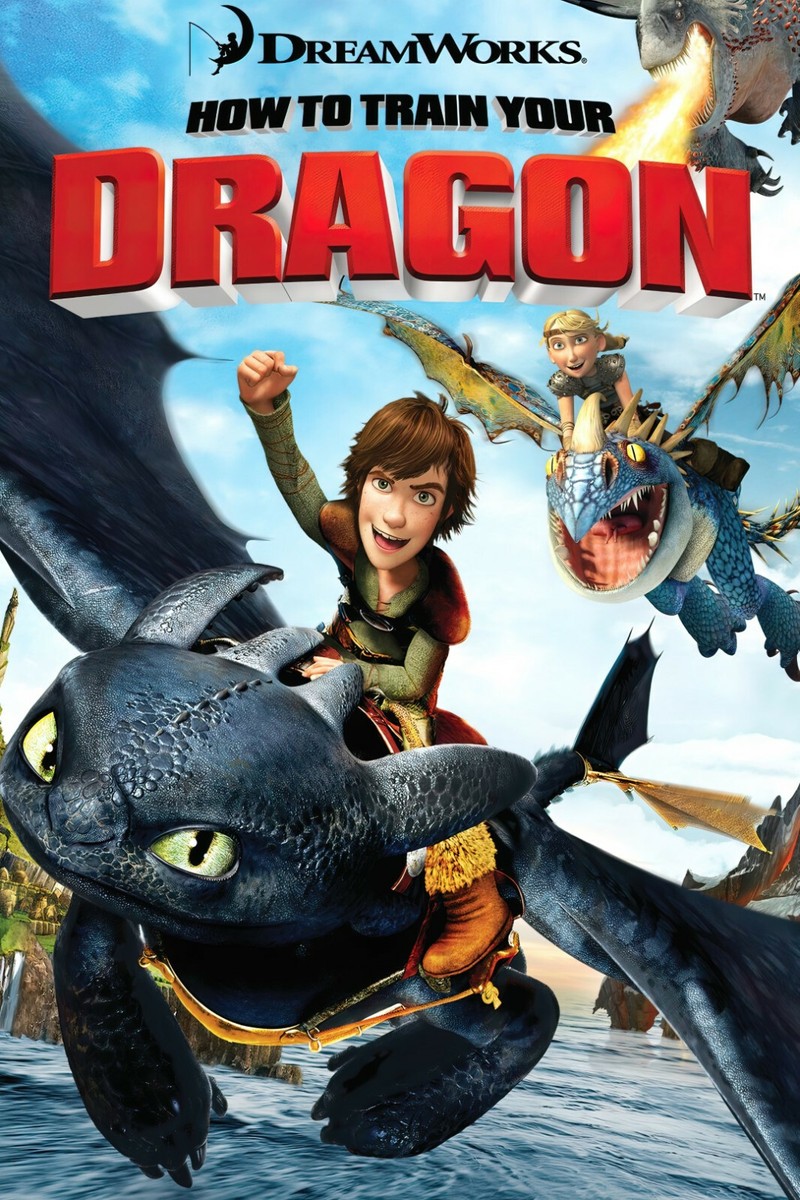
Dean DeBlois occupies a distinct position in the landscape of contemporary animation, celebrated for marrying mythic grandeur with intimate emotional realism. His career arc reflects a steady elevation of the family film genre, pushing boundaries beyond conventional commercial entertainment, a trajectory brilliantly exemplified by How to Train Your Dragon. Through his focused directorial vision, he has demonstrated that mainstream animation can sustain rigorous narrative architecture and profound psychological depth.
Emerging within a studio system that often prioritizes formulaic safety, DeBlois distinguishes himself through a commitment to high energy and imaginative storytelling. His work operates at the intersection of classical epic adventure and modern sensibilities. By anchoring fantastical elements in grounded human experiences, he has carved out a cinematic space that resonates equally with broad audiences and discerning critics.
DeBlois holds a critical place in modern cinema history as a filmmaker who redefined the aesthetic and emotional possibilities of computer generated imagery. His directorial approach treats the animated medium not merely as a vehicle for escapism but as a sophisticated canvas for exploring complex interpersonal dynamics. Consequently, he has earned a reputation as a visionary who consistently infuses the digital realm with undeniable warmth and intellectual rigor.
Thematic Preoccupations
At the core of the cinematic framework DeBlois constructs is an enduring fascination with the coming of age theme, frequently examined through the specific lens of the father and son relationship. He routinely interrogates the heavy expectations placed upon the youth by previous generations. His protagonists often find themselves fundamentally at odds with inherited traditions, forcing a necessary evolution of deeply entrenched family dynamics.
This generational friction serves as a springboard for exploring courageous adventures grounded in imagination and innovation. The director frames the act of understanding the other as the ultimate form of bravery. Instead of relying on brute force to resolve conflicts, his narratives champion empathy and intellectual curiosity. As noted by critics, his young heroes function almost like modern innovators, disrupting archaic societal norms with a smart narrative logic that advocates for compassion over conquest.
DeBlois frequently infuses his ancient or fantastical settings with striking modern relevance, prompting audiences to reflect on contemporary ideological divides. The recurrent tension between communal dogma and individual revelation acts as the philosophical engine of his storytelling. By consistently rewarding ingenuity and emotional vulnerability, his films propose a worldview where true strength is derived from unexpected alliances and a willingness to question historical prejudices.
Stylistic Signatures
The visual language crafted by DeBlois is characterized by bright visuals, a kinetic camera presence, and a remarkably realistic portrayal of physical stakes. His mise en scene balances expansive world building with intimate character moments, ensuring that the spectacle never overshadows the emotional core. He routinely employs high energy pacing that propels the narrative forward without sacrificing necessary moments of quiet contemplation.
Cinematographically, DeBlois demonstrates a profound understanding of movement and space, most evident in his breathtaking flight sequences that rival live action blockbusters in their immersive scope. Reviewers have frequently drawn comparisons to visually ambitious works like Avatar, noting his ability to create vast, believable ecosystems. Yet, alongside this grand scale, there exists an interestingly realistic sense of danger that grounds the soaring visuals in palpable peril.
His stylistic signatures also include a distinct approach to integrating ingenious concepts directly into the visual texture of his films. The integration of surprising elements keeps the viewer constantly engaged, transforming what could be standard action set pieces into masterful displays of imaginative storytelling. The editing rhythms expertly balance the adrenaline of adventurous journeys with the delicate, nuanced beats of character development, resulting in a cohesive and thoroughly enjoyable cinematic experience.
Recurring Collaborators
The collaborative nature of large scale animation often obscures the traditional director and actor partnerships found in live action cinema, and DeBlois has operated without a rigidly fixed troupe of returning cast members across his broader filmography. However, his work relies heavily on sustained creative alliances with vast teams of animators, technical directors, and visual artists. These partnerships are essential to translating his ambitious narrative concepts into fully realized digital environments.
Rather than relying on specific star personas to carry his films, DeBlois collaborates intensely with his creative departments to synthesize performance through character design and kinetic movement. This methodology demands a unified vision among hundreds of artists, ensuring that the bright visuals and high energy required by his scripts are flawlessly executed. The resulting synergy between the directorial vision and the technical crew is a hallmark of his production process.
Additionally, his work involves a critical dialogue with source material, most notably the original texts of Cressida Cowell that inspired How to Train Your Dragon. DeBlois approaches literary adaptation not as a strict translation but as a dynamic collaboration with the foundational lore. By respectfully expanding upon the original world, he allows his technical and creative teams to push the boundaries of animation, fostering an environment where innovation thrives alongside traditional storytelling.
Critical Standing
The critical reception of DeBlois has been overwhelmingly positive, marked by a consistent appreciation for his ability to craft intelligent and emotionally resonant cinema. Critics from Slant Magazine have praised his work as being just plain smart and packed full of imagination, highlighting his knack for delivering continuous narrative surprises. This consensus places him securely among the most respected voices in contemporary animation, recognized for elevating family entertainment into high art.
Evaluators frequently commend his ingenious approach to characterization and his distinct modern relevance. The Los Angeles Times notably observed that his protagonists possess a contemporary entrepreneurial spirit, viewing his scrawny teenage heroes as figures who would comfortably head an internet startup in the modern era. This ability to bridge ancient settings with modern psychological archetypes has solidified his reputation as a profoundly observant storyteller.
Ultimately, his standing within critical discourse rests on his mastery of balancing joyful escapism with genuine stakes. Reviewers from The Guardian and RogerEbert.com have highlighted the thoroughly enjoyable nature of his films, noting the great flight sequences alongside a realistic sense of danger. Often compared favorably to epic cultural touchstones like Asterix and Avatar, DeBlois continues to be celebrated for his ambitious adventurous journeys and his unyielding dedication to cinematic innovation.