Career Overview
Edgar Wright occupies a distinctive position in contemporary cinema as a director who bridges the gap between hyper-literate genre homage and character-driven British comedy. Emerging from the vibrant landscape of late-nineties British television, Wright honed a hyper-kinetic visual style that would eventually define his cinematic trajectory. His transition to feature films marked a critical moment in modern cinema, demonstrating that localized cultural specificities could translate seamlessly into global genre frameworks.
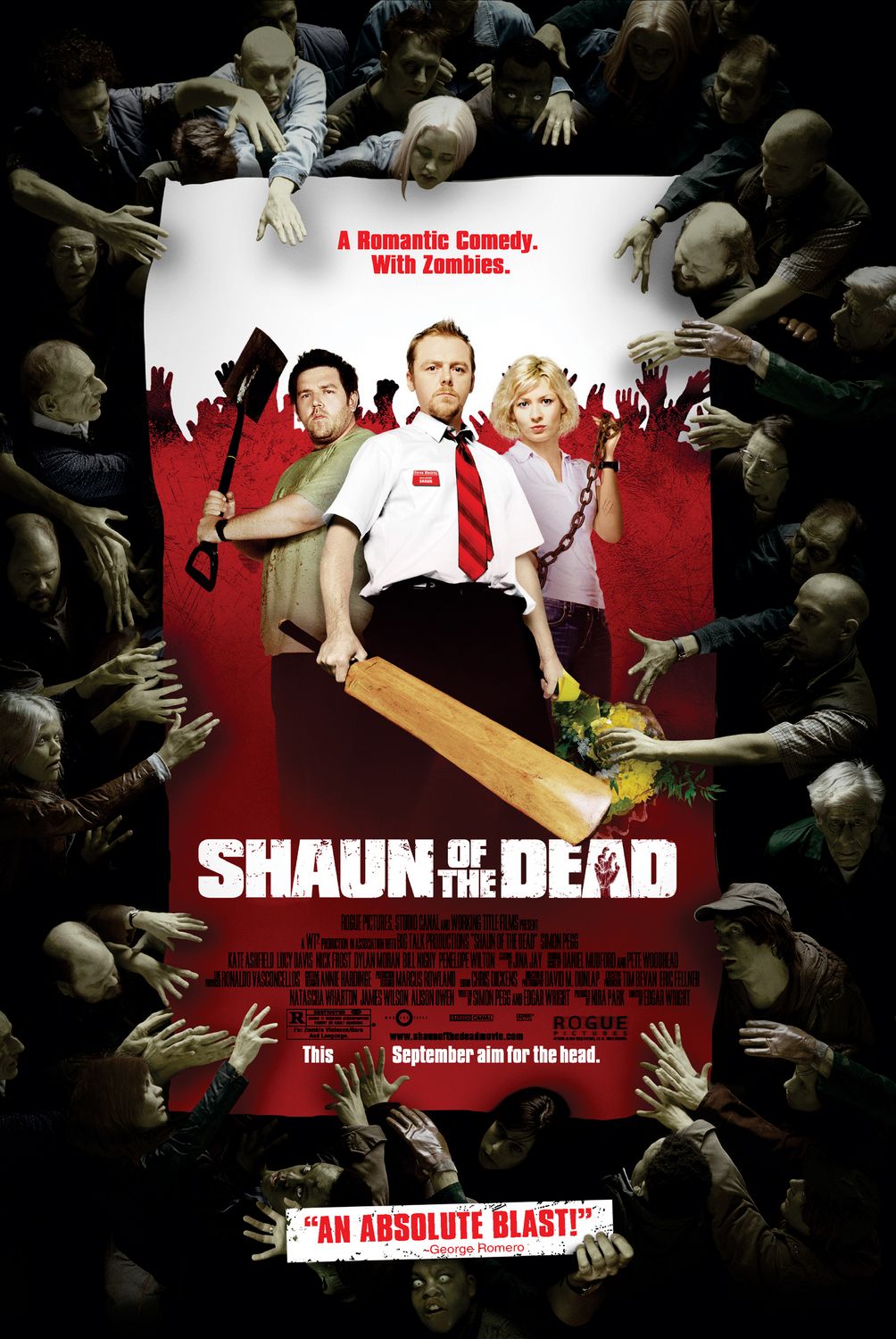
His directorial debut in the realm of major feature films, Shaun of the Dead, established him as a filmmaker capable of balancing earnest emotional arcs with meticulous pastiche. Before this breakthrough, Wright collaborated heavily within the British sitcom ecosystem, most notably on the sitcom Spaced, a foundational television series that incubated many of the thematic and stylistic preoccupations he would later bring to the silver screen. The translation of this sitcom energy into a feature adaptation proved to be a formidable artistic triumph.
Wright sits comfortably in the lineage of directors who synthesize disparate cinematic traditions into singular, cohesive visions. By elevating what could have remained a rudimentary Resident Evil sketch into a sophisticated narrative, he avoided the proverbial movie graveyard where many British comedians see their cinematic ambitions falter. Instead, he forged a career that constantly interrogates and reinvents genre conventions, cementing his status as a pivotal figure in modern comedic filmmaking.
Thematic Preoccupations
A central preoccupation of Wright's work is the intersection of arrested development and catastrophic external events. In Shaun of the Dead, he explores the mundane reality of lazy protagonists whose existence is fiercely tethered to pub-centered lives. These characters are so profoundly self-centered and comfortable in their apathy that they remain oblivious to a literal zombie apocalypse unfolding around them. This juxtaposition serves as a potent vehicle for exploring the isolating nature of modern domesticity and the profound inertia of the late twentysomething human experience.
Beyond the zombie spoof elements, Wright's narratives are deeply invested in the mechanics of platonic and romantic relationships. His films function as sweet odes to friendship themes and love themes, often masked beneath the grisly trappings of horror comedy. The apocalyptic scenario operates primarily as a catalyst forcing clueless layabouts to confront their emotional stagnation, mend fractured relationships, and take responsibility for their insular lives.
Furthermore, Wright utilizes British humor not merely as a comedic overlay but as a philosophical lens. The specific cultural attachment to the local pub transforms from a running gag into a poignant symbol of resistance against an invading horde. By grounding the flesh-eating zombies of the classic zombie genre in the utterly pedestrian reality of working-class London, Wright investigates how ordinary individuals process existential dread through the comfort of routine, ultimately asking what it means to truly live rather than merely survive.
Stylistic Signatures
Wright's visual language is defined by a pacy direction that infuses traditional horror comedy with a uniquely kinetic rhythm. He approaches the cinematic frame with a meticulous attention to pacing, utilizing rapid edits, crash zooms, and synchronized sound cues to elevate standard comedic setups. This smart humor is baked into the very form of the film, ensuring that the comedy arises as much from the editing rhythms and camera movements as it does from the dialogue.
In his exploration of the zombie genre, Wright crafts a playful tone that balances authentic genre thrills with a constant stream of real gags. His films are as smart as paint, demonstrating a deep fluency in the visual lexicons established by George Romero's Night of the Living Dead and Dawn of the Dead. Rather than settling for cheap parody, Wright constructs a meticulous feature adaptation of genre tropes, seamlessly integrating grisly body horror with the structural beats of a classic romantic comedy.
The mise-en-scene in Wright's work frequently highlights the contrast between the macabre and the mundane. The framing actively mocks the self-centered characters, often placing flesh-eating zombies in the background of perfectly ordinary domestic arguments. This spatial irony, combined with a soundscape that contrasts terrifying apocalyptic noise with cheerful pop music, underscores a directorial signature that treats the cinematic apparatus as an active participant in the comedic delivery.
Recurring Collaborators
While our current database highlights a limited cross-section of his filmography, any analysis of Wright's creative genesis must center on his pivotal collaboration with star-writer Simon Pegg. Together, they forged a distinct brand of British comedy that successfully bridged the gap between television constraints and cinematic expansion. Pegg's anchoring performance as a disillusioned London electronics salesman provides the essential emotional gravity required to make the surrounding absurdity function effectively.
The creative synergy between Wright and Pegg is fundamentally rooted in their shared encyclopedic knowledge of genre cinema and their mutual experience in British television, particularly the sitcom Spaced. Their co-writing process ensures that the dialogue remains densely packed with smart humor while maintaining a naturalistic, character-driven flow. This partnership transforms what could be a simple horror comedy into a sophisticated narrative rich with cultural specificity.
Additionally, Wright's work relies heavily on an ensemble of talented British comedians who populate the margins of his narratives. These supporting players are crucial to his world-building, populating the local pubs and neighborhoods with recognizable, lived-in personalities. It is through these meticulously cast ensembles that Wright avoids the pitfalls of the aforementioned movie graveyard, ensuring that even his most ambitious zombie homage remains grounded in nicely acted, deeply human performances.
Critical Standing
Edgar Wright's critical standing has been characterized by widespread appreciation for his formal ingenuity and his ability to elevate parody into genuine homage. Upon the release of his directorial debut in this database, critics immediately recognized a filmmaker whose work was far more sophisticated than its initial premise suggested. As noted by the Los Angeles Times, his approach proved to be a grisly but sweet ode to both human connection and George A. Romero's zombie films, earning him immense respect among genre purists and mainstream critics alike.
Reviewers have consistently praised Wright for his tight scripting and pacy direction. Publications like The Guardian have heralded his horror comedy outputs as being cheerful and as smart as paint, highlighting a script crammed with real gags that never sacrifices narrative momentum for a cheap laugh. Even more measured assessments, such as those from RogerEbert.com, have conceded that his films offer pleasures that are mild but very real, cementing his reputation as a reliable craftsman of intelligent entertainment.
Over time, Wright's standing within critical discourse has evolved from a clever British television import to a formidable cinematic auteur. Critics frequently situate his work in dialogue with legendary genre touchstones, noting that his playful zombie spoof operates with the same level of care as the classics it references. By successfully marrying the emotional stakes of indie dramas like The Good Girl with the survival mechanics of a Resident Evil video game, Wright has secured a lasting legacy as a director who entirely redefined the modern horror comedy landscape.