Career Overview
Gene Kelly stands as a monumental figure in mid-century American cinema, positioned firmly at the intersection of athletic performance and meticulous cinematic authorship. His background in dance and his fierce ambition to revolutionize the Hollywood musical transformed the genre from static filmed theater into a dynamic visual art form. Emerging during the height of the studio system, Kelly sought to integrate narrative and musical numbers so seamlessly that the transition between dialogue and dance felt entirely organic.
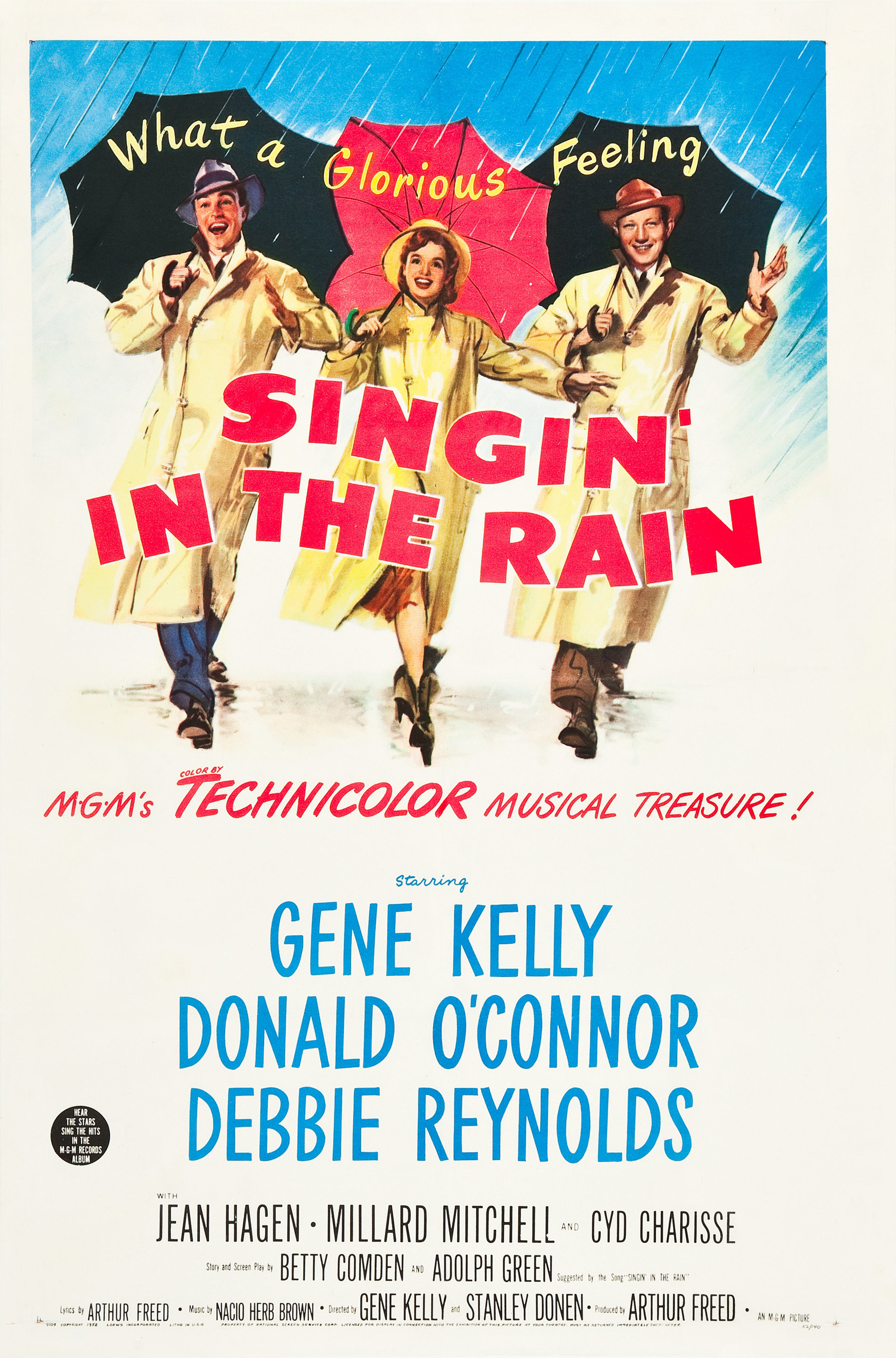
His ascent during the golden age of Hollywood reached its undisputed apex with Singin' in the Rain. By taking dual control as both a leading performer and a visionary director, Kelly pushed the boundaries of what the movie musical could achieve. He married muscular, working-class athleticism with sophisticated, highly technical camera work, moving the genre away from the tuxedo-clad elegance of previous eras into something more muscular, vital, and vibrantly American.
Tracing his chronological development reveals a relentless pursuit of perfection. From his early days on the stage to his dominance as an MGM powerhouse, Kelly utilized his unprecedented creative control to dictate the physical and visual rhythm of his pictures. He remains a historical linchpin in the evolution of cinema, recognized not merely as a dazzling performer but as a pioneering architect of the integrated movie musical.
Thematic Preoccupations
A pervasive preoccupation across Kelly's directorial work is the reflective, often satirical examination of the entertainment industry itself. Using Singin' in the Rain as the definitive text, his filmography frequently explores the fraught transition from silent films to talkies, utilizing this historical pivot as a profound metaphor for artistic evolution, the cruelty of technological progress, and the perilous nature of fame. He repeatedly returns to questions of authenticity within a manufactured industry.
The emotion of joyful nostalgia anchors his philosophical inquiries. Kelly balances a deeply romanticized view of the past with a progressive, technically ambitious embrace of new cinematic frontiers. His narratives often grapple with the tension between high art and popular entertainment, suggesting that true artistic expression in musicals requires no pretense. Instead, it demands an infectious energy that bridges the gap between the elite and the everyday.
Furthermore, his work champions the democratization of art through romantic comedy elements. He frequently structures his entertaining narratives around working-class characters or struggling performers striving for genuine connection in an artificial world. By centering on these grounded, human experiences, Kelly ensures that his polished production quality and grand stylistic ambitions never overshadow the emotional core of his timeless classics.
Stylistic Signatures
Kelly completely redefined the visual language of the musical through his innovative choreography, which was designed explicitly for the camera rather than the proscenium arch. Unlike his predecessors who often relied on static wide shots, Kelly utilized dynamic tracking movements and fluid crane operations to follow the dancers, effectively integrating cinematic space with physical momentum. The camera itself becomes an active participant in the sublime musical numbers.
His approach to mise-en-scene is characterized by a polished production quality that relies on vibrant Technicolor palettes and meticulously controlled studio environments. Kelly crafted immersive, highly stylized worlds where reality and fantasy bleed into one another. The interplay between diegetic sound, meticulously timed foley work, and lush musical orchestrations creates a fully immersive experience that heightens the emotional stakes of the narrative.
Editing rhythms and framing tendencies further distinguish his stylistic signature. To preserve the spatial integrity and undeniable athleticism of the dance, Kelly minimized cuts during complex routines, insisting on full-body framing that proved the authenticity of his dazzling performances. This rigorous formal approach captures an unadulterated, infectious energy, bridging the gap between stark reality and the heightened, joyous universe of the musical theater.
Recurring Collaborators
Although the spotlight often rested squarely on Kelly, his creative partnerships were absolutely vital to his cinematic apparatus. A rigorous discussion of his work must acknowledge his indispensable co-directors, most notably Stanley Donen, who shared the helm on Singin' in the Rain. Donen helped translate Kelly's elaborate choreographic visions into cohesive, fast-paced cinematic narratives, providing a crucial editorial eye that balanced Kelly's intense perfectionism.
On screen, Kelly relied on a recurring ensemble of exceptionally talented cast members who could match his demanding pace. Performers like Debbie Reynolds and Donald O'Connor provided the essential comedic and emotional counterweights to Kelly's intense athleticism. Their dazzling performances elevated the material, creating a synergistic ensemble dynamic that defined the absolute peak of the golden age of Hollywood musicals.
Behind the camera, the contributions of musical arrangers, visionary producers, and sharp screenwriters (including Betty Comden and Adolph Green) were equally paramount. These unseen collaborators worked in perfect tandem with Kelly to craft the sharp satirical elements and entertaining narratives that grounded the musical flights of fancy. Together, they ensured that the final product was as intellectually robust as it was visually spectacular.
Critical Standing
Upon their initial release, films like Singin' in the Rain were primarily celebrated as highly entertaining, polished commercial products. However, as the decades have progressed, critical discourse has drastically elevated Kelly from a popular entertainer to a pioneering, visionary auteur. Critics frequently draw comparisons between his output and other legendary works like The Band Wagon, Top Hat, and Swing Time, cementing his status in the uppermost echelon of the genre.
Modern critical consensus regards his work as a pinnacle of joyous cinematic expression. Esteemed outlets and critics describe his films as transcendent experiences, pointing to his soaking wet solo routine as the single most memorable dance number on film. His directorial efforts are celebrated for perfectly balancing flawless technical execution with unadulterated joy, yielding timeless classics that continue to influence contemporary filmmakers.
Even as stage revivals attempt to resurrect his magic for modern audiences, critics frequently note that these productions often feel like mere replicas of his flawless originals. Kelly's critical standing remains entirely unassailable today. His legacy is firmly established as the definitive benchmark for artistic expression in the movie musical, proving that rigorous cinematic craft and sheer, unapologetic joy can coexist in perfect harmony.