Career Overview
Gore Verbinski occupies a unique space in contemporary Hollywood cinema as an architect of the modern blockbuster who successfully revitalized dormant genres. His background in visual storytelling positioned him perfectly to tackle large-scale narratives that required both technical precision and a keen sense of pacing. While many directors of his era leaned heavily into grim realism, Verbinski charted a different course by embracing grand theatricality and unabashed escapism. His approach redefined how studios perceived historical adventure cinema, transforming a niche category into a globally resonant cinematic experience.
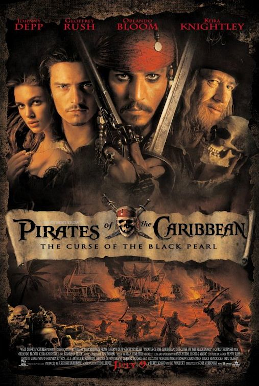
His career trajectory is perhaps best exemplified by his defining triumph in Pirates of the Caribbean: The Curse of the Black Pearl. By taking the helm of a project inspired by a theme park ride, Verbinski faced considerable skepticism from the critical establishment. However, he subverted expectations by orchestrating a film that felt both nostalgic and fiercely original. He channeled the classic swashbuckling energy of Hollywood golden years while injecting it with modern sensibilities, effectively silencing doubts and establishing himself as a premier populist filmmaker with an auteurist eye for scale.
Today, Verbinski is recognized as a master of the blockbuster form who understands the delicate alchemy of spectacle and character. He operates at the intersection of commercial viability and artistic eccentricity, proving that massive budgets need not suffocate creative voice. By referencing cinematic touchstones while crafting distinct new mythologies, he secured his place in cinema history as a director capable of resurrecting the spirit of classical adventure for a contemporary audience.
Thematic Preoccupations
At the core of Verbinski's thematic preoccupations is the tension between classic cinematic adventure and modern supernatural elements. His work frequently explores the collision of the historical and the mythological, creating worlds where pragmatic rogues are forced to confront the impossible. In Pirates of the Caribbean: The Curse of the Black Pearl, this dynamic is vividly realized through the cursed crew of the titular ship. The supernatural acts not merely as a plot device but as a thematic counterpoint to human greed and mortality, questioning what happens when the mundane realities of piracy intersect with divine or demonic punishment.
Equally prominent in his storytelling is the deployment of lighthearted humor as a subversive tool against the self-seriousness of the action genre. Verbinski understands that true swashbuckling style requires a delicate balance of stakes and levity. His protagonists navigate mortal danger with a profound sense of absurdity, recalling the energetic charm of early cinema adventurers. This humorous tone is never at the expense of narrative tension. Instead, it serves to humanize his characters, making their eventual triumphs and failures resonate more deeply with an audience craving both entertainment and emotional connection.
Furthermore, Verbinski continually investigates the archetype of the antihero. His characters are rarely traditional paragons of virtue. They are complex opportunists whose moral compasses are constantly shifting. The pirate adventure framework allows him to examine themes of freedom, rebellion, and shifting loyalties in a rigid, imperialist world. By filtering these weighty concepts through the lens of lighthearted entertainment, Verbinski makes profound inquiries into the nature of heroism without ever abandoning his commitment to action packed adventure.
Stylistic Signatures
Verbinski's visual language is defined by a kinetic, swashbuckling style that pays homage to the golden age of adventure cinema while utilizing state-of-the-art cinematic technology. His framing often emphasizes the sheer scale of his environments, utilizing wide sweeping shots to establish the maritime majesty and perilous geography of his narratives. This commitment to cinematic adventure is further elevated by his engaging action sequences, which are choreographed with a rhythmic precision reminiscent of classical Hollywood staging. He avoids the chaotic, fragmented editing common in modern action films, opting instead for coherent spatial geography that allows audiences to appreciate the physical comedy and acrobatic stunts.
A critical component of his stylistic signature is his sophisticated approach to tone, seamlessly weaving lighthearted humor into intense supernatural spectacles. Verbinski orchestrates a visual mise-en-scene that balances the macabre with the comedic. The supernatural elements in Pirates of the Caribbean: The Curse of the Black Pearl are rendered with a gothic decay that is both terrifying and darkly amusing. This synthesis of the eerie and the eccentric is a hallmark of his directorial vision, ensuring that the visual aesthetic always complements the narrative whimsy.
Sound and music also play an indispensable role in Verbinski's world-building, driving the momentum of his action packed adventures. The bombastic, rhythmic scoring acts as the heartbeat of his films, propelling the characters forward during elaborate sword fights and massive set pieces. He orchestrates an auditory landscape that perfectly mirrors the exaggerated reality of his visuals. By blending robust orchestral themes with unconventional instrumentation, Verbinski creates a sensory experience that amplifies the thrilling, rollicking atmosphere essential to his unique brand of filmmaking.
Recurring Collaborators
While the current database highlights a lack of recurring cast members across multiple films, Gore Verbinski's approach to collaboration is fundamentally built around empowering his actors to craft highly idiosyncratic, unforgettable characters. His directorial framework provides the necessary space for performers to take massive creative risks within the structure of a blockbuster narrative. This collaborative ethos is most spectacularly evident in his work with Johnny Depp in Pirates of the Caribbean: The Curse of the Black Pearl. Verbinski harnessed Depp's eccentric inclinations, resulting in a performance that critics noted was original in its every atom.
The partnership between director and actor in this instance resulted in a no-holds-barred comedic performance that entirely redefined the protagonist archetype for action films. Verbinski's willingness to trust his lead actor's unconventional choices demonstrates a collaborative bravery rarely seen in high-stakes studio filmmaking. Furthermore, his work with Geoffrey Rush showcases his ability to guide seasoned character actors toward theatrical brilliance. Critics observed that Rush brought a gnashing to an art form, a testament to Verbinski's skill in cultivating villains who are as charismatic and entertaining as the heroes they oppose.
Beyond the primary cast, Verbinski's success relies heavily on deep collaborations with his technical departments, particularly in the realm of practical effects and stunt choreography. Crafting a seamless pirate adventure necessitates a unified vision among production designers, cinematographers, and visual effects artists. His ability to marshal these diverse creative forces ensures that the supernatural elements and engaging action sequences feel remarkably cohesive. Through these crucial, behind-the-camera partnerships, Verbinski consistently delivers highly polished cinematic spectacles that transcend their genre origins.
Critical Standing
Gore Verbinski's critical standing represents a fascinating evolution within contemporary film discourse. Initially viewed by some skeptics as a reliable studio craftsman tasked with executing corporate mandates, his critical reputation underwent a seismic shift with the release of Pirates of the Caribbean: The Curse of the Black Pearl. Critics were disarmed by the film, frequently praising it as a rollicking adventure that did not take itself too seriously. Reviewers drew immediate comparisons to legendary cinematic touchstones, likening his achievement to the beloved classics of Errol Flynn and Douglas Fairbanks, and explicitly comparing his tonal mastery to that found in Raiders of the Lost Ark.
The critical establishment ultimately recognized Verbinski as a vital cinematic illusionist capable of delivering unpretentious, highly crafted entertainment. Prominent publications celebrated his work as arguably the best of its kind since The Crimson Pirate fifty years prior. His ability to fuse action genre elements with a humorous tone earned him immense respect from critics who had long lamented the death of the earnest, swashbuckling epic. By providing a two-disc set full of treasures for budding buccaneers and pirates, Verbinski proved that populism and critical acclaim were not mutually exclusive concepts.
Today, Verbinski occupies an esteemed place in the pantheon of modern adventure directors. While some contemporary blockbusters are dismissed as ephemeral, his contributions are frequently cited as the gold standard for integrating supernatural elements with engaging action sequences. The enduring legacy of his work, particularly regarding The Mummy reference and other historical comparisons, solidifies his reputation. Critics maintain that Verbinski's precise control over tone, pacing, and spectacle establishes him as one of the most significant and underappreciated auteurs of the early twenty-first century blockbuster landscape.