Career Overview
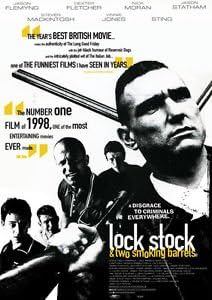
Guy Ritchie emerged in the late 1990s as a revitalizing force within British cinema, injecting a jolt of hyperactive energy into the national film landscape. His debut feature, Lock, Stock and Two Smoking Barrels (1998), arrived as a cultural touchstone that redefined the British gangster film for a new generation. By merging working-class milieus with a highly stylized, kinetic visual language, Ritchie immediately established himself as an auteur with a distinct, uncompromising aesthetic vision.
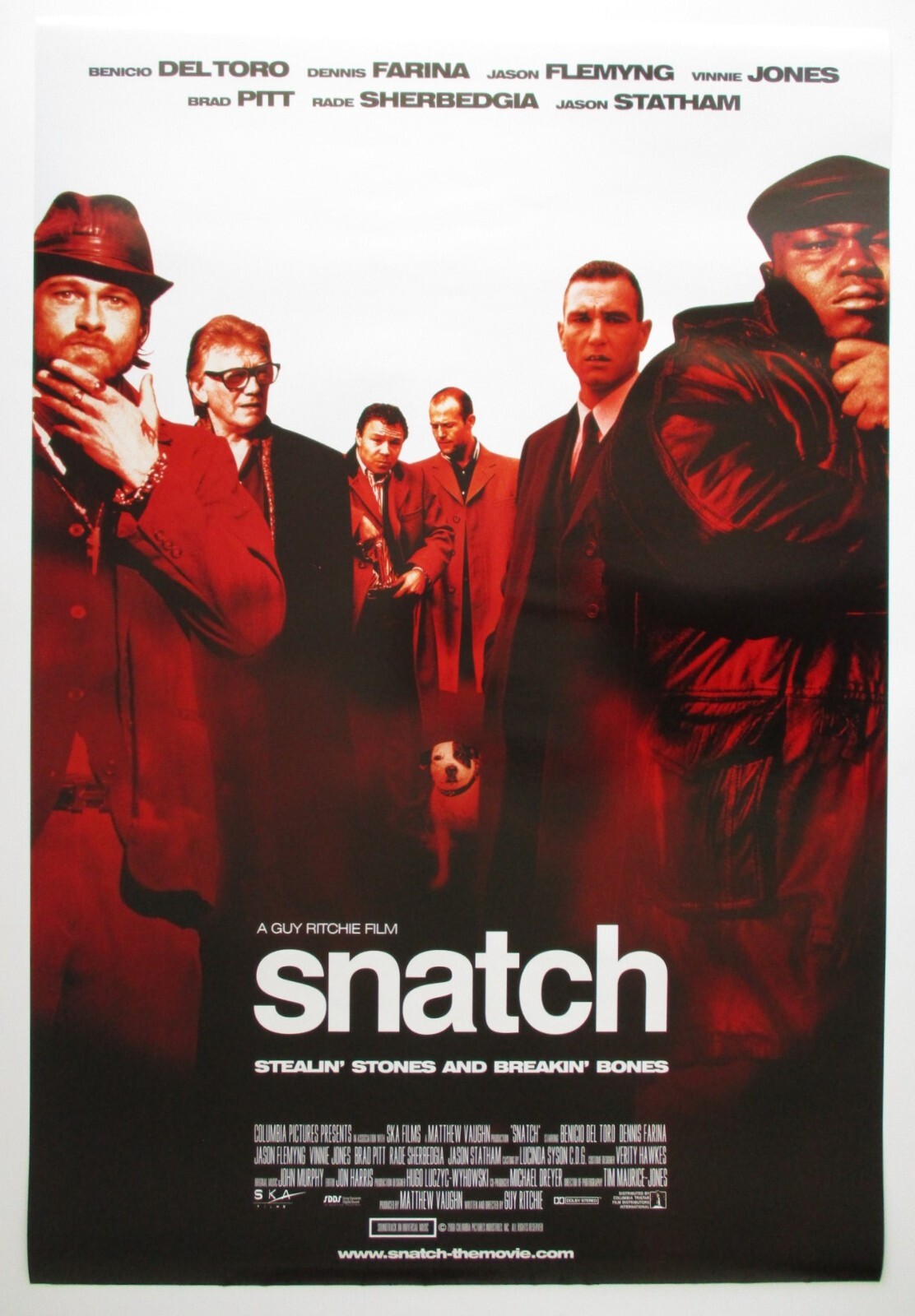
Following the massive success of his debut, Ritchie quickly solidified his reputation with Snatch (2000). This sophomore effort proved that his initial breakthrough was no anomaly, as he doubled down on the frantic pacing, interwoven narratives, and dark humor that characterized his first film. The rapid succession of these two foundational works cemented his position as a director who could seamlessly blend popular entertainment with formal experimentation, making him a central figure in the trans-Atlantic indie film boom of the era.
In the broader context of cinema history, Ritchie is frequently situated within the post-Tarantino wave of filmmakers who dominated the late 1990s. However, rather than simply mimicking the American director, Ritchie transplanted the structural innovations of 1990s independent cinema into the grimy, fast-talking underworld of London. His early career arc represents a crucial bridge between classical British crime dramas and the frenetic, globalized media landscape of the impending twenty-first century, carving out a specialized niche that remains heavily analyzed by contemporary critics.
Thematic Preoccupations
At the core of Ritchie's cinematic universe is an obsessive exploration of the crime underworld, where characters navigate landscapes defined by amoral fun and brutal consequences. The protagonists in both Lock, Stock and Two Smoking Barrels and Snatch operate on the fringes of society, driven by desperation, greed, and a fundamental need to survive. Ritchie frequently structures his narratives around drastic fund-raising schemes, high-stakes gambling debts, or a coveted stolen diamond, using these focal points to expose the absurdity of criminal enterprise.
Plot complexity functions as a primary thematic device rather than a mere structural choice. Ritchie builds narratives that are intensely imaginative and complicated, often to a degree that some critics find delightfully perverse. Multiple factions of small-time crooks, ruthless mob bosses, and hapless bystanders are drawn into bewildered collision courses. This labyrinthine approach to storytelling emphasizes the chaotic, unpredictable nature of his world, where carefully laid plans are routinely destroyed by sheer coincidence or monumental incompetence.
Beneath the violence and intricate scheming, Ritchie demonstrates a profound interest in masculine relationships and goofy camaraderie. His films are populated by young men bound by intense loyalty and friendship, navigating environments that are dark and dangerous. This dynamic is heavily filtered through the lens of dark humor and black comedy, turning moments of severe physical peril into absurdist punchlines. The constant tension between violent threat and zany comedic relief reveals a philosophical worldview where cleverness and ingenuity are the only effective weapons against a hostile, arbitrary universe.
Stylistic Signatures
Ritchie's visual language is defined by a hyperactive style that aggressively manipulates time and space. He employs a barrage of kinetic camera movements, whip pans, and variable frame rates to reflect the frantic desperation of his subjects. This energetic tone is sustained through rapid-fire editing rhythms that compress complex narrative information into dense, high-energy sequences. The resulting aesthetic often creates an atmosphere of altered perception, dragging the audience into the dizzying, subjective experiences of the characters.
A color-desaturated style is another hallmark of Ritchie's early cinematographic approach. He favors monochromatic palettes dominated by sickly greens, grays, and browns, which ground his stories in the dreary, oppressive atmosphere of the London streets. Yet, this gritty realism is counterbalanced by an incredibly stylish presentation that critics have likened to a wacky facade. Ritchie juxtaposes these bleak visuals with unusual background music and propulsive soundtracks, marrying the grim reality of the criminal underworld with the polished, rhythmic timing of a music video.
Dialogue serves as a crucial component of the director's stylistic signature, functioning as both exposition and percussive instrument. Ritchie's scripts are famous for their mannered, tough-guy banter and scattershot slang, which sometimes proves so impenetrable that it requires subtitles for broader audiences. This hyper-stylized vernacular creates an insular world, demanding active engagement from the viewer. The rhythmic, rapid delivery of his dialogue complements the kinetic editing, ensuring that the auditory experience is just as complex and aggressive as the visual one.
Recurring Collaborators
A defining element of Ritchie's methodology is his reliance on sprawling ensemble casts, which are essential for managing his multi-threaded narratives. He favors actors who possess a distinct physical presence and the precise comedic timing required to deliver his rapid-fire dialogue. By assembling large troupes of character actors, Ritchie is able to populate his cinematic underworld with highly specific, memorable figures who can convey volumes of personality within a fraction of the screen time.
The most vital creative partnerships of Ritchie's early career are undeniably his collaborations with Jason Statham and Vinnie Jones, both of whom appeared in Lock, Stock and Two Smoking Barrels as well as Snatch. Statham provides a crucial grounding force in these chaotic films, blending an imposing physical exterior with a remarkable capacity for wry, deadpan humor. His recurring presence offers audiences a reliable, charismatic anchor amidst the swirling chaos of the director's complicated plots.
Vinnie Jones, a former professional footballer, brings an entirely different but equally important energy to Ritchie's work. Jones embodies the dark and dangerous elements of the director's vision, utilizing his authentic, intimidating physicality to portray ruthless enforcers. Yet, Ritchie cleverly subverts this menacing presence by involving Jones in moments of absurd comedy, perfectly encapsulating the director's signature blend of brutal violence and black humor. Together, these recurring faces help to establish a cohesive, immediately recognizable cinematic universe.
Critical Standing
Upon his arrival in the late 1990s, Ritchie enjoyed a remarkably positive initial reception, heralded by critics as a necessary shock to the system of British cinema. Lock, Stock and Two Smoking Barrels was widely praised for its cleverness, ingenuity, and soulful cool. Reviewers enthusiastically compared his work to Quentin Tarantino and Pulp Fiction, noting that Ritchie had successfully engineered a distinctly British iteration of the hyper-articulate, pop-culture-infused crime film. His ability to balance intense violence with playfulness earned him a reputation as a visionary new voice.
However, the director's critical standing became more polarized with the release of Snatch. While many publications celebrated the continuing energetic tone and dark humor, a vocal contingent of critics began to express fatigue with his aesthetic. Detractors argued that the stylistic overkill felt grating and arbitrary, and that a sense of the familiar hovered over the production. Accusations that his intricate narratives and stylized banter were mannered and lifeless suggested a growing critical consensus that Ritchie was prioritizing flashy execution over substantive storytelling.
Despite these divided critical appraisals, Ritchie's foundational films have secured a lasting, influential place within modern film discourse. His early works are continuously analyzed for their innovative synthesis of global independent film trends and localized British working-class culture. While some critics may view his hyperactive style as an exercise in excess, the consensus remains that his bold, absurdist approach to the gangster genre left an indelible mark on cinematic history, inspiring a wave of imitators and cementing his status as a pivotal figure of his era.