Career Overview
Hayao Miyazaki stands as a monumental figure in global cinema, possessing a career arc that fundamentally altered the perception of animated filmmaking. His background is deeply rooted in the artisanal traditions of Japanese animation, a discipline he refined and elevated into a medium capable of profound philosophical inquiry. Beginning with more intimate works, he cultivated an audience that resonated with his synthesis of benign spirituality and meticulously detailed reality. His films proved that animation could transcend simple entertainment and function as high art.
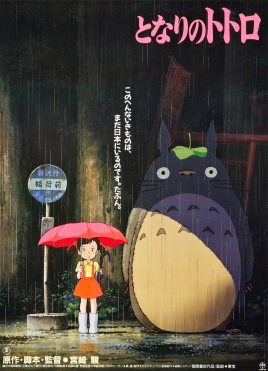
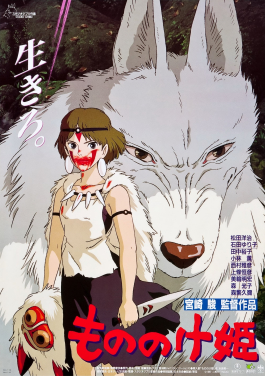
The chronological development of his filmography illustrates a fascinating trajectory from unassuming fables to sprawling, mythic epics. With My Neighbor Totoro in 1988, Miyazaki established a baseline of prelapsarian innocence and affectionate storytelling. This relatively simple narrative framework eventually gave way to the massive ambition of Princess Mononoke in 1997. That film became a cultural phenomenon and the most popular domestic film in Japanese history at the time, marking a significant shift toward adult themes and intense conflict.
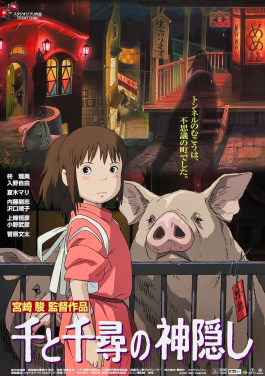
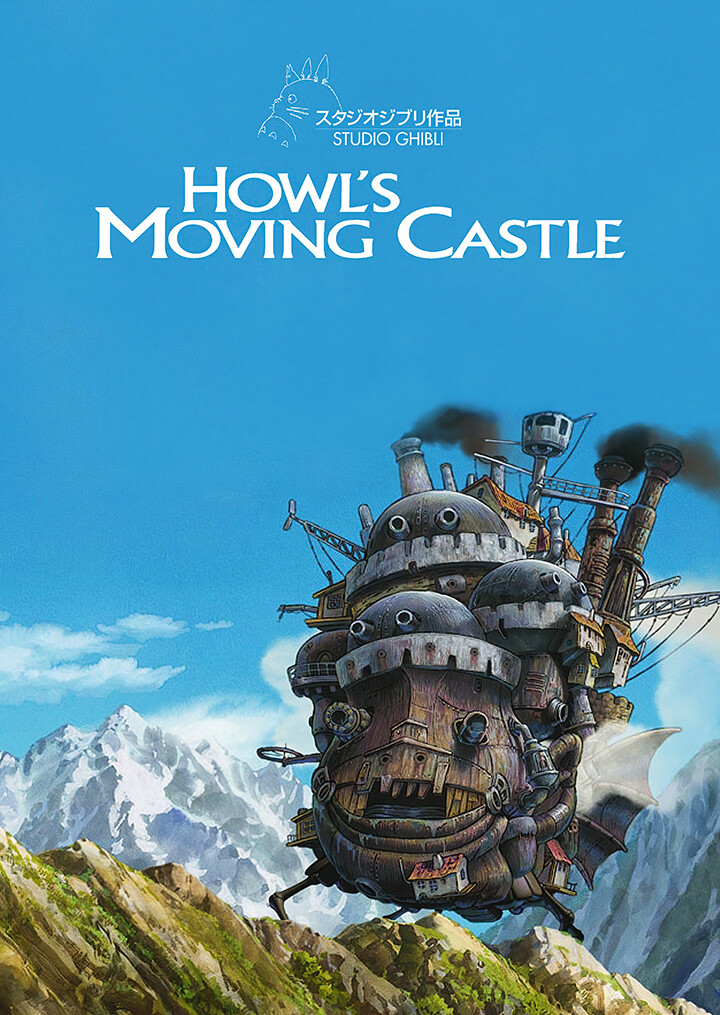
His international breakthrough arrived with Spirited Away in 2001, a film that broke domestic records and shattered global barriers for the medium. This masterpiece cemented his reputation in the West, proving that animated cinema could achieve extraordinary depth and complexity. By the time he released Howl's Moving Castle in 2004, Miyazaki had secured the creative freedom to pursue oblique storytelling and avant-garde stylistic choices, solidifying his legacy as an auteur whose visionary output transcends traditional genre boundaries.
Thematic Preoccupations
A rigorous thematic analysis of the director reveals a continuous exploration of identity and transformation. His protagonists, often young women or children, undergo profound metamorphoses that mirror their internal psychological development. In Howl's Moving Castle, transformation functions as both a literal curse and a metaphor for the alienating effects of vanity and insecurity. Similarly, Spirited Away frames identity exploration within a coming-of-age narrative where a child must reclaim her literal name and sense of self in an unpredictable realm.
Environmentalism and the fraught relationship between humanity and the natural world serve as another critical pillar of his oeuvre. Princess Mononoke epitomizes this conflict-driven storytelling, presenting a stark humanism that complicates the traditional man versus nature binary. Nature functions not merely as a backdrop but as a powerful, autonomous character. The forest spirits and mythical animal gods represent an ancient order struggling against the relentless march of industrial progress, prompting audiences to wrestle with intriguing philosophical concepts regarding stewardship and survival.
Despite the regular inclusion of war narratives and existential threats, a deep current of compassion and family bonding grounds his filmography. Works like My Neighbor Totoro are characterized by their total lack of conventional villains or traditional fight scenes, focusing instead on parental affection and sibling solidarity. Even amid the sprawling epic fantasy adventures of his later films, love stories and childhood innocence remain paramount. These supernatural encounters ultimately emphasize emotional resilience, arguing that imagination and creativity are essential tools for navigating both benign and hostile worlds.
Stylistic Signatures
The stylistic signatures of Miyazaki are defined by an unwavering commitment to hand-drawn aesthetics and wondrous craftsmanship. His visual language is an intricate tapestry of delightful imagery and unsettling experiences, often blending charming pastoral landscapes with haunting magical atmospheres. In films like Spirited Away, the frame is wonderfully composed and inundated with dazzling visual appeal, allowing fantastical elements to emerge organically from a carefully detailed reality. The resulting mise-en-scene feels tactile and grounded, even when depicting surreal experiences.
His cinematographic approach frequently highlights imaginative world-building through monumental, kinetic set pieces. Critics frequently point to the central apparatus in Howl's Moving Castle as a prime example of his ingenious imagination. The fortress is a skewed, tottering construction of turrets and metal teeth that dominates the frame and moves with an imposing, elephantine gravity. This visual inventiveness extends to his creature design, which ranges from unashamedly cute forest sprites to corrupted, snake-like monsters that evoke a visceral sense of dread.
The editing rhythms and tonal pacing in his films range from fast and funny to remarkably meditative. My Neighbor Totoro adopts a gentle, lovely tempo that provides a welcome respite from rapid-fire cinematic mayhem, allowing the audience to linger in moments of quiet discovery. Conversely, the more avant-garde style of his sprawling war narratives occasionally results in pacing that some critics find overlong or alienating. Yet, this willingness to embrace oblique storytelling ensures that his films flow like glorious streams of consciousness, supported by stirring musical scores that elevate the delicate poetry of his animation.
Recurring Collaborators
The institutional framework of Studio Ghibli represents the most crucial collaborative partnership of the director. This studio apparatus is entirely inseparable from his artistic identity, providing the rigorous artisanal infrastructure required to execute his visually inventive style. The collective artistry of the animators, background painters, and designers at the studio ensures a cohesive visual continuity across his filmography. Their shared dedication to traditional cel animation allows his deeply personal visions to translate into spellbinding on-screen reality.
Within the realm of vocal performances, casting plays an essential role in grounding his fantastical narratives. Frequent collaborators like Sumi Shimamoto, who appears across multiple films in his canon, provide emotional anchors for his complex protagonists. The vocal talent is required to balance childhood innocence with moments of intense emotional weight, bridging the gap between surreal supernatural encounters and grounded human vulnerability. These consistent vocal performances contribute to the intimate and affectionate tone that defines much of his work.
As his international prominence expanded, a secondary tier of collaboration emerged through high-profile English-language adaptations. To introduce his challenging, complex narratives to Western multiplexes, translation teams and A-list dubbing casts were assembled. This transcultural collaboration proved vital in overcoming the standard perception of Japanese anime in foreign markets. By partnering with dedicated international distributors and prominent Western actors, his intricate fables reached a global audience without sacrificing their intrinsic cultural nuances or imaginative storytelling.
Critical Standing
The critical standing of Hayao Miyazaki has undergone a remarkable evolution, transitioning from domestic acclaim to unparalleled international reverence. Initially celebrated in Japan for crafting an established classic with My Neighbor Totoro, his reputation exploded with the release of Princess Mononoke, an epic that demonstrated his capacity for massive commercial and critical success. By the time Spirited Away shattered box office records and garnered global awards, critics were definitively labeling his output as masterpieces of animation that possessed a depth entirely missing in mainstream Western animated features.
Reviewers frequently contextualize his cinematic legacy through prestigious literary and filmic comparisons. Critical discourse routinely highlights references to classic authors, framing his narratives alongside the gutsy ideas of Kipling, Ovid, and Homer. Spirited Away is frequently analyzed as an Asian folk dream equivalent to Alice in Wonderland, while the lumbering mechanics of his war machines draw comparisons to The Empire Strikes Back. These allusions underscore a critical consensus that his films are not mere cartoons but definitive works of art that rival the achievements of live-action masters like Akira Kurosawa.
While his status as an animation visionary is universally acknowledged, his later, more ambitious projects have occasionally polarized critical opinion. Howl's Moving Castle, though praised for its floatingly delightful fairytale elements and spellbinding set pieces, also faced criticism from voices within publications like The Guardian, who found its narrative frustrating and disappointing. Nevertheless, the prevailing critical sentiment views these challenging works as evidence of an auteur pushing the boundaries of his medium. Ultimately, his filmography is celebrated as a rich, bright universe that demands and richly rewards repeated viewings.