Career Overview
Jim Henson occupies a singular, highly idiosyncratic position in twentieth-century cinema. Best known globally for his pioneering work in television puppetry, Henson translated his analog creations to the theatrical screen with unparalleled ambition. His filmography reflects a distinct evolution from televised sketch comedy and variety formats into expansive, mythic narrative cinema. His dedication to elevating puppetry into a respected medium for feature films set a new precedent in the industry.
While his earlier cinematic ventures capitalized on the success of his established characters, his later directorial efforts revealed a much darker, structurally complex ambition. Henson sought to legitimize animatronics as viable tools for serious, feature-length storytelling. His work operated at the intersection of traditional mythmaking and cutting-edge visual effects. By doing so, he cemented his status as an auteur of the fantastic who refused to talk down to his audience.
His cinematic legacy is profoundly shaped by his commitment to practical world-building. Long before the industry became reliant on computer-generated imagery, Henson pioneered physical creature workshops that pushed the boundaries of what could be achieved on camera. This dedication to tangible artistry ensures his films maintain a timeless, visceral quality that continues to influence contemporary practical effects artists across the globe.
Thematic Preoccupations
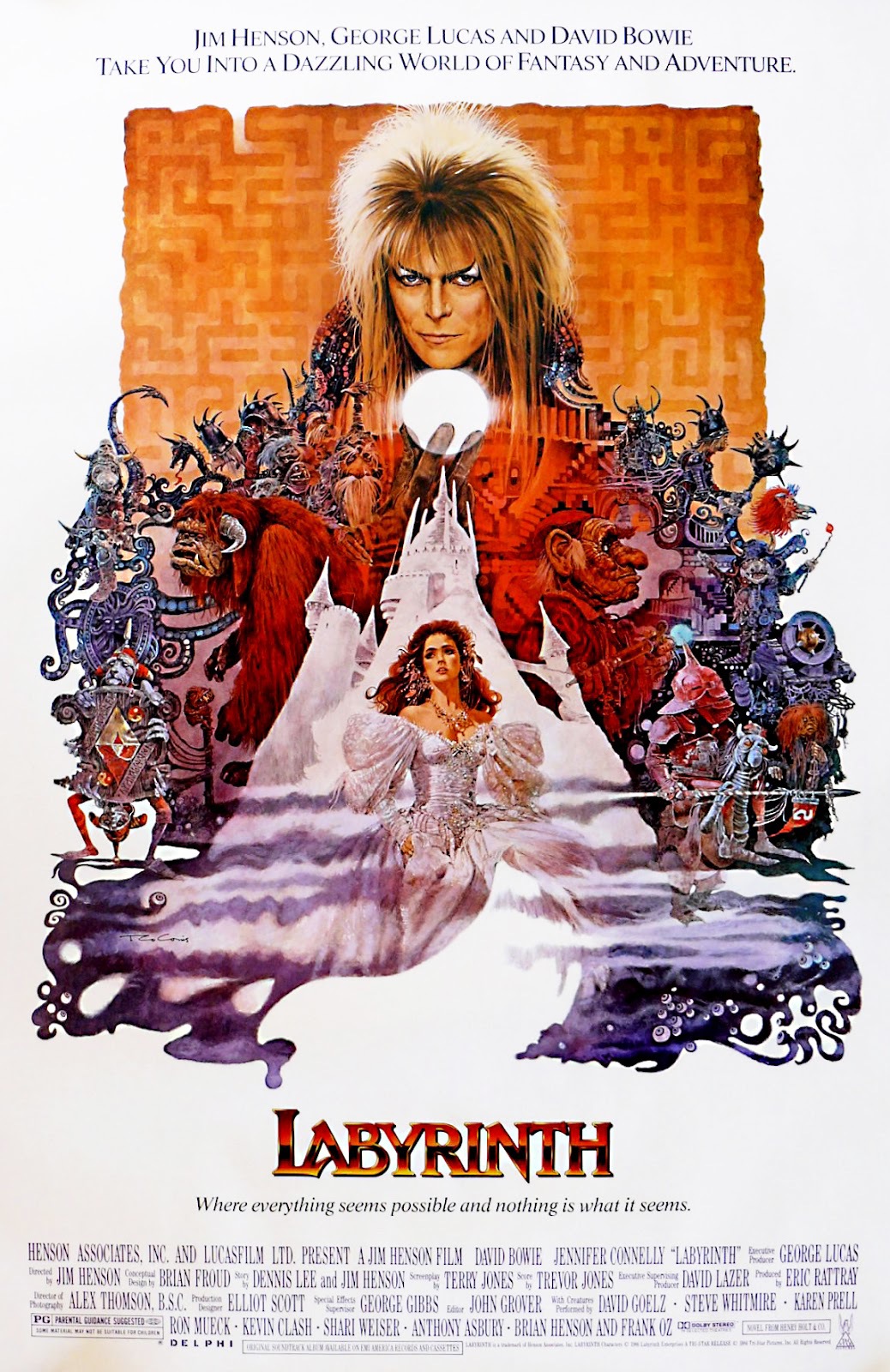
The narrative architecture of Henson's cinematic work is inextricably linked to the coming-of-age archetype. His thematic preoccupations center heavily on the psychological transition from adolescence to adulthood. In Labyrinth, this journey is rendered as a surreal, dreamlike quest where the protagonist must navigate the threshold between childhood innocence and burgeoning maturity. His characters often encounter nightmarish challenges that test their moral and psychological fortitude.
Henson frequently engages with the concept of the maze not merely as a physical setting but as a psychological construct. The spaces his protagonists navigate are external manifestations of internal anxieties regarding responsibility, autonomy, and the loss of childhood fantasy. Critics have aptly noted parallels between his narratives and classic literature like Alice in Wonderland, observing how both properties utilize absurd, mythic structures to illuminate the confusing realities of growing up.
Furthermore, Henson demonstrates a persistent obsession with the dual nature of imagination. Within his cinematic worlds, imagination is simultaneously a liberating force and a hazardous trap. His characters are often endangered by their own escapist desires, forced to confront the seductive illusions of fantasy in order to reclaim their agency. The humor in his work acts as a subversive tool to puncture the darkness of these themes, offering wisecracking levity that balances the inherently threatening environments.
Stylistic Signatures
The defining stylistic signature of Jim Henson is his extraordinarily dense, tangible mise-en-scène. Henson constructed entirely fabricated worlds, filling every inch of the frame with handcrafted creatures, elaborate matte paintings, and complex practical architecture. This reliance on physical, in-camera effects grounds his surreal fantasies in a profound physical reality. The textures of latex, fiberglass, and intricate costuming lend his environments a tactile weight that digital creations rarely achieve.
Cinematographically, Henson favored deep focus and fluid camera movements to navigate his claustrophobic, maze-like sets. His camera operates from unconventional angles, frequently adopting the lowered perspective of his diminutive creature characters or the disoriented viewpoint of his human protagonists. This visual strategy enhances the nightmarish quality of his narratives, deliberately disorienting the spectator to mirror the psychological confusion of the central characters.
Soundscapes and musical integration also play a pivotal role in Henson's stylistic approach. He frequently utilized musical sequences not as mere interludes but as critical narrative engines that propel the coming-of-age arc forward. The integration of contemporary pop or rock music into mythic, fairy-tale settings creates a deliberate temporal dissonance. This juxtaposition of modern musicality with archaic, fantasy aesthetics serves to destabilize traditional genre expectations, ensuring the films operate on a highly stylized wavelength.
Recurring Collaborators
The ambitious scale of Henson's cinematic output necessitated a highly collaborative approach, effectively functioning as an artisanal guild rather than a singular directorial dictatorship. While specific cast members did not consistently recur across his standalone fantasy features, his reliance on a dedicated team of conceptual artists and puppeteers formed the true ensemble of his filmography. The visual identity of his films is inseparable from the contributions of these specialized conceptual designers who helped translate folklore into tangible reality.
Henson's partnership with specialized technology and special effects workshops was vital to his world-building. His creature shop operated as a crucible for innovation, developing futuristic animatronic technology that allowed for unprecedented nuance in non-human performances. This mechanical and artistic partnership was the bedrock of his methodology, enabling him to populate his films with expressive, lifelike beings that could interact seamlessly with human performers.
On camera, Henson's films often paired highly experienced, charismatic musicians or character actors with young, emerging talent. By contrasting wide-eyed, youthful protagonists with seasoned, theatrical performers and a chorus of complex puppets, Henson created a unique performance dynamic. This dynamic remains a hallmark of his cinematic collaborations, anchoring the surreal environments in a recognizable, vulnerable reality.
Critical Standing
Upon its initial release, Henson's pivot toward darker, more ambitious fantasy was met with a polarized critical reception. Some contemporary reviewers struggled to categorize works like Labyrinth, finding the mixture of wisecracking humor, nightmarish imagery, and coming-of-age allegories too startling a departure from the gentle warmth of his early television successes. Despite this initial hesitance, prominent voices recognized the film as a potent cinematic nightmare, praising its ability to tap into the authentic anxieties of adolescent girls navigating a dreamworld of magic and enchantment.
Over the decades, Henson's critical standing as a feature film director has undergone a significant and positive reevaluation. Modern critics now routinely champion his work as a remarkable achievement in practical fantasy filmmaking. Influential publications have lauded his ability to utilize futuristic technology to illuminate mythic tales of female empowerment and psychological growth. His films are currently studied in academic circles for their psychoanalytic depth and sophisticated subversion of traditional tropes.
Today, Jim Henson is celebrated not merely as an entertainer, but as a visionary world-builder whose cinematic contributions endure precisely because of their handmade authenticity. In an era dominated by weightless digital imagery, his tactile, meticulously crafted environments serve as a benchmark for physical special effects. His standing within critical discourse remains secure, remembered as an auteur who proved that the mechanics of puppetry could yield profound, challenging, and endlessly captivating cinema.