Career Overview
Jim Sheridan stands as a towering figure in the landscape of modern Irish cinema, celebrated for bridging the gap between localized historical trauma and universally resonant narrative art. Emerging from a background deeply steeped in the cultural and political complexities of Ireland, his career arc reflects a consistent dedication to interrogating the soul of his nation. His ascension to international prominence fundamentally altered how global audiences perceived Irish storytelling, elevating it from parochial drama to urgent, world-class cinema.
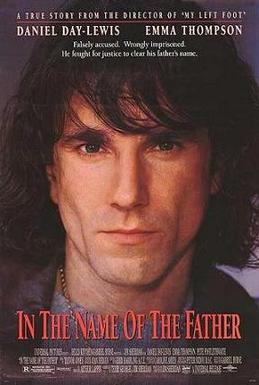
His chronological development reveals an artist who quickly mastered the delicate balance between intimate character studies and expansive political critiques. Early triumphs, frequently compared to his own masterpiece My Left Foot, established his reputation as a director of profound empathy. By the time he directed In the Name of the Father, Sheridan had fully matured, proving his ability to handle controversial subject matter with a steady, uncompromising hand.
Today, Sheridan occupies a distinct position in cinema history as a master of the politically charged biography. Critics and film scholars regard his filmography as a vital chronicle of late twentieth century Irish history. He remains a filmmaker who effortlessly merges the righteous anger of polemical cinema with the refined aesthetic sensibilities of the art house, ensuring his place among the most significant directors of his generation.
Thematic Preoccupations
At the core of Jim Sheridan's cinematic universe lies a relentless examination of political injustice and the devastating consequences of systemic corruption. His films frequently delve into the grim realities of Irish history, specifically targeting the traumatic intersection of the state and the individual. The recurring theme of wrongful conviction, as prominently explored in In the Name of the Father, serves as a powerful metaphor for the broader victimization of marginalized communities caught in the crossfire of geopolitical conflict.
Despite the grand scale of his historical narratives, Sheridan consistently anchors his philosophical concerns in the intimate dynamics of the family unit. The father-son relationship operates as the emotional nucleus of his most acclaimed work. By charting the friction, misunderstanding, and ultimate reconciliation between patriarchal figures and their rebellious offspring, Sheridan humanizes abstract political struggles. The harrowing experience of imprisonment and coerced confession is thus filtered through the deeply personal lens of familial loyalty and generational trauma.
Furthermore, Sheridan exhibits an ongoing obsession with the concept of truth in the face of institutionalized deception. His legal dramas do not merely recount facts, they dissect the psychology of coercion and the fragility of justice. He transforms headline-worthy content into profound interrogations of morality, forcing audiences to confront the uncomfortable realities of politically motivated prosecutions. This thematic density ensures that his exploration of the IRA and British judicial failures resonates far beyond the specific historical context.
Stylistic Signatures
Jim Sheridan employs a visual language that seamlessly marries gritty realism with moments of breathtaking lyrical beauty. His cinematographic approaches often contrast the stark, claustrophobic environments of prison cells and interrogation rooms with the gorgeous, sweeping landscapes of the outside world. This dichotomy emphasizes the psychological confinement of his protagonists while maintaining a beautifully crafted aesthetic that elevates the material above standard docudrama conventions.
His editorial rhythms are designed to generate a gripping, rousing storytelling experience that occasionally mirrors the pacing of high-stakes thrillers. Reviewers frequently draw comparisons between his work and the tension found in films like The Fugitive, noting his ability to maintain narrative momentum without sacrificing nuanced character development. Sheridan manipulates pacing to thrust the audience directly into a politically charged atmosphere, utilizing rapid cuts during sequences of crisis and lingering, unbroken takes during moments of profound emotional intimacy.
Sound and music play a critical role in Sheridan's stylistic arsenal. He incorporates beautiful soundtracks that swell with emotional resonance, yet he exercises careful restraint to avoid manipulative sentimentality. The sound design often underscores the harrowing reality of his settings, using the oppressive noise of slamming doors and chaotic city streets to heighten the tension. When combined with flawless execution in framing and blocking, these sensory elements create an immersive world that demands the intellectual and emotional engagement of the viewer.
Recurring Collaborators
The foundation of Jim Sheridan's critical success is inextricably linked to his extraordinary creative partnerships, most notably his collaborations with exceptionally talented lead actors. His work with Daniel Day-Lewis stands as one of the most celebrated director and actor dynamics in contemporary cinema. Day-Lewis channels Sheridan's exacting vision, delivering convincing, letter-perfect performances that capture the raw, righteous wrath of a man battling insurmountable systemic odds.
Equally vital to Sheridan's artistic triumphs is his collaboration with veteran character actors who ground his narratives in absolute authenticity. The inclusion of performers like Pete Postlethwaite provides the essential counterweight to the explosive energy of the primary protagonists. Postlethwaite's stoic, quiet intensity forms the emotional backbone of the father-son dynamic, proving that Sheridan's direction is as attentive to subtle, internalized grief as it is to broad political outrage.
Sheridan also populates his ensembles with highly capable supporting casts, including talents like Saffron Burrows, who add essential texture and grace to his beautifully crafted worlds. Beyond the cast, his reliance on skilled cinematographers and composers ensures a unified aesthetic vision. These recurring creative alignments allow Sheridan to tackle still controversial material with a fair-minded approach, knowing his trusted collaborators will deliver the flawless execution required to bring his rigorous cinematic polemics to life.
Critical Standing
Jim Sheridan enjoys a formidable critical reputation, widely recognized as a filmmaker of immense integrity and technical prowess. From the outset of his career, reviewers have lauded his ability to navigate controversial subject matter with a fair-minded but righteously wrathful perspective. His films, particularly his legal dramas, are consistently celebrated as considerable achievements that treat complex historical themes with the gravity and nuance they demand, earning him a secure place within the upper echelons of critical discourse.
His standing is frequently characterized by the diverse comparisons drawn by leading critics. Scholars and reviewers comfortably place his gripping narrative construction alongside masterful thrillers like The Fugitive, while simultaneously acknowledging the profound artistic depth that echoes his own acclaimed work in My Left Foot. This dual recognition cements his status as a rare auteur capable of delivering both intellectually rigorous historical critiques and universally rousing cinematic entertainment.
Over time, Sheridan's legacy has only deepened, evolving from early praise for his convincing performances to sustained admiration for his flawless execution as a director. Critics universally commend his brave exploration of coerced confessions and systemic injustice, viewing his filmography as an unforgettable testament to the resilience of the human spirit. Ultimately, his work remains a touchstone for filmmakers and art critics alike, representing the pinnacle of politically engaged, exquisitely crafted biographical cinema.