Career Overview
Joe Russo occupies a singular and polarizing space in the history of contemporary cinema, operating at the absolute zenith of the modern studio system. His directorial career is defined by an unprecedented command over corporate blockbuster apparatuses, transforming what was once considered mere popcorn entertainment into culturally inescapable mega events. By steering the most lucrative franchise in film history, Russo has cemented his position as an architect of the global cinematic monoculture.
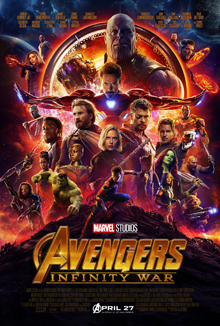
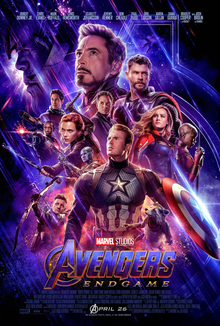
The development of his cinematic footprint is inextricable from the monumental scale of his defining features, most notably Avengers: Infinity War and Avengers: Endgame. Transitioning from smaller television projects and localized comedic narratives, Russo escalated his ambitions to coordinate the ultimate convergence of serial storytelling. He effectively redefined the parameters of a cinematic event, constructing narratives that function as the climactic apex of a decade long, multi film project.
Historically, Russo represents a definitive shift toward mega narrative culmination in Hollywood. By executing a staggering feat of logistical coordination and franchise safeguarding, he altered industry expectations for what a blockbuster must achieve. His legacy is heavily debated among scholars and critics, yet his undeniable influence has reshaped the structural blueprints of twenty-first century commercial filmmaking.
Thematic Preoccupations
A primary thematic preoccupation across the work of Joe Russo is the exploration of scale, ambition, and the crushing burden of heroism. His films interrogate the weight of universal stakes, positioning individual characters against cosmic threats that demand ultimate sacrifice. This dynamic is vividly illustrated in Avengers: Infinity War, where the sheer magnitude of the narrative forces a contemplation of duty, failure, and the ethical limits of power in a massive superhero epic.
Equally significant is his persistent focus on grief, loss, and the arduous pursuit of catharsis. Avengers: Endgame dedicates an unusual amount of its runtime to exploring the psychological aftermath of profound defeat, foregrounding emotional depth alongside its spectacle. Russo examines how individuals cope with trauma, utilizing the expansive canvas of a blockbuster to highlight deeply intimate moments of sorrow, recovery, and eventual closure in story arcs.
Furthermore, Russo wrestles constantly with the tension between genuine dramatic storytelling and the corporate demand for fan-focused content. His narratives often serve as a meta commentary on franchise safeguarding, balancing the need for satisfying character arcs against formulaic storytelling conventions. This ongoing dialogue between unbridled commercial spectacle and impactful emotional beats forms the core philosophical tension of his modern filmography.
Stylistic Signatures
The visual language deployed by Joe Russo is characterized by a staggering blend of action, faux-improvised humor, and spectacular visual effects. His directorial style leans heavily on creating dazzling, dizzying environments that overwhelm the viewer, contrasted with grounded, character-driven comedic interludes. He frequently utilizes these lighter tonal shifts to punctuate the melodramatic moments of his superhero epics, ensuring a constant modulation between awe and accessibility.
In terms of narrative structure and editing rhythms, Russo aims for a steady-paced and propulsive momentum, though the sheer volume of his subject matter often challenges this goal. Handling a massive ensemble requires rapid cross cutting and localized vignettes, a technique that successfully juggles a galaxy of characters but occasionally results in a fragmented narrative structure. Critics often note this structural density, pointing out the fine line his films walk between a well-structured, cohesive narrative and a bloated, overstuffed cinematic experience.
Mise-en-scene in a Russo production is inherently maximalist, yet he employs a borderline gutsy directorial approach to balancing intimate human moments with mindless blockbuster spectacle. He frequently transitions from melancholic, tightly framed close-ups of grieving characters to sprawling wide shots of intergalactic conflict. This juxtaposition highlights his commitment to maintaining character focus even when the screen is saturated with overwhelming computer-generated imagery and chaotic action sequences.
Recurring Collaborators
The immense scale of Joe Russo's cinematic universe relies heavily on a massive, recurring ensemble cast that provides the necessary emotional continuity for his ambitious storytelling. This group of performers serves as the vital anchor to his otherwise cosmic narratives. By repeatedly working with this core ensemble, Russo ensures that the staggering visual spectacles are grounded by familiar faces and established chemistry.
Key performers like Robert Downey Jr., Chris Evans, and Chris Hemsworth operate as the primary dramatic and comedic pillars across his defining works. These actors bring a lived-in quality to their roles, allowing Russo to seamlessly integrate impactful emotional beats with thrilling action sequences. Their performances are crucial to delivering the satisfying character arcs and the signature blend of action and humor that defines his filmography.
The ensemble is further elevated by the consistent presence of Mark Ruffalo, Scarlett Johansson, and Don Cheadle. These frequent collaborators enable Russo to achieve a delicate character balance in an ensemble setting. By trusting these veteran performers to carry significant emotional weight, Russo ensures that even secondary narrative threads receive moments of closure, making the gargantuan scope of his superhero epics feel personal and rooted in human connection.
Critical Standing
The critical reputation of Joe Russo is deeply polarized, reflecting a fundamental divide between awe at his logistical ambition and skepticism regarding his artistic merit. Reviewers frequently acknowledge his work as a triumph of storytelling, praising the thrilling and staggering action sequences that define his superhero epics. Mainstream outlets often highlight the overall emotional satisfaction of his films, viewing them as the ultimate, nimble realization of long-term franchise fantasy.
However, his works invite intense critical scrutiny and frequent comparisons to definitive cinematic conclusions such as The Lord of the Rings: The Return of the King, Star Wars: The Empire Strikes Back, and Harry Potter and the Deathly Hallows: Part One. While these comparisons highlight the monumental scale and ambition of his projects, they also expose a perceived over-reliance on fan service and corporate influence. Publications like Slant Magazine and IndieWire have sharply criticized his films, labeling them bloated, overstuffed, and occasionally incoherent, while lamenting the pro forma storytelling and unremarkable execution that sometimes undercuts the dramatic stakes.
Ultimately, Joe Russo occupies a complicated place within critical discourse, recognized as a master coordinator of the modern blockbuster even as his authorial voice is questioned. Whether hailed for crafting a cathartic and impactful conclusion or dismissed for delivering mindless blockbuster spectacle, his undeniable ability to shape the cultural zeitgeist ensures his lasting relevance. His legacy remains a testament to the power of franchise safeguarding and the evolving nature of cinematic spectacle in the twenty-first century.