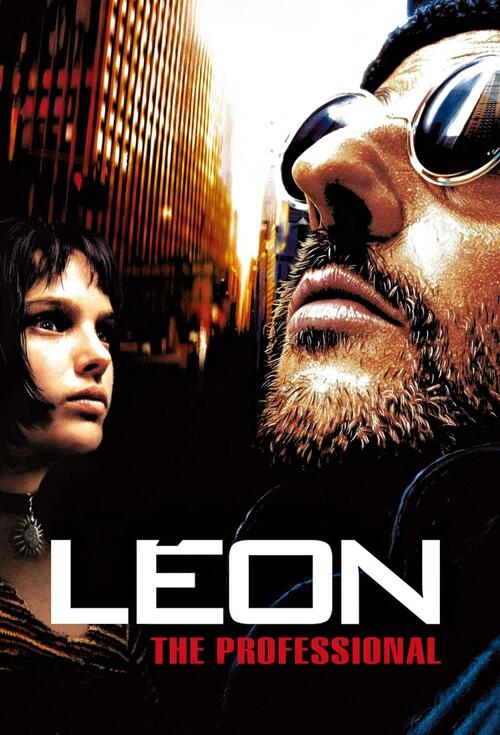
Career Overview
Luc Besson occupies a distinct space in contemporary cinema, operating as a vital bridge between European arthouse sensibilities and the muscular framework of American genre filmmaking. Emerging prominently on the international stage, his trajectory reflects a continuous ambition to marry high-octane thrills with rigorous visual formalism. By the time he directed Leon: The Professional, critics noted a significant maturation in his craft, observing that he had successfully instilled his narrative with an emotional center that was sometimes obscured by sheer style in his earlier endeavors.
The director's position in cinema history is largely defined by his ability to synthesize disparate cinematic traditions. Reviewers frequently point out that his work possesses a fully fledged French arthouse identity, even when operating within the confines of the traditional Hollywood thriller. This synthesis allows him to find the European essence within American settings, famously transforming New York into a cinematic landscape that feels intimately Parisian in its mood and texture.
His chronological development reveals a filmmaker consistently refining his approach to visceral storytelling. Moving from the atmospheric depths of The Big Blue to the kinetic espionage of La Femme Nikita, his career arc culminates in narratives that masterfully balance suspense with profound human connection. Ultimately, his legacy is that of a visionary who proved that commercial action cinema could possess thrilling emotional depth without sacrificing stylish cinematography or pulse-pounding pacing.
Thematic Preoccupations
A central preoccupation of the director's filmography is the explosive intersection of violence and innocence. He consistently returns to narratives where naive or youthful figures are thrust into brutal, amoral worlds. In Leon: The Professional, this is manifested through a subverted coming-of-age narrative, where a twelve-year-old girl is forced to navigate a landscape populated by corrupt authorities and lethal assassins. The thematic tension arises from the corruption of youth and the paradoxical protection offered by an agent of death.
The mentor-mentee relationship serves as the emotional anchor for these violent explorations. Besson is deeply invested in the formation of surrogate families in the most unlikely of circumstances. He pairs isolated, highly skilled professionals with vulnerable but resourceful youths, creating intense friendships and mentorships. Importantly, critics note how carefully he navigates these dynamics, deliberately defusing potential romantic tensions by rendering his adult protectors essentially sexless, thereby maintaining the purity of the redemptive journey.
Morality and redemption form another crucial thematic pillar. His protagonists often operate within sleazy and vile environments, executing violent acts while strictly adhering to a rigid personal code (such as the famous edict of no women, no children). This stark contrast highlights the director's interest in the honorable outlaw. The narratives frequently push characters toward a point of no return, where violent emotional upheaval becomes the only viable catalyst for ultimate salvation.
Critics frequently align his thematic concerns with those found in landmark films like Taxi Driver and Gloria. Like the isolated anti-heroes of those cinematic touchstones, his protagonists are alienated figures seeking purpose through the protection of the innocent. This recurring philosophical concern asks whether redemption is possible for those steeped in vile acts of violence, ultimately suggesting that true salvation requires a complete sacrifice of the self for the next generation.
Stylistic Signatures
The director's visual language is characterized by an extraordinary visual aplomb, blending kinetic energy with precise, painterly composition. His background in French cinema informs a hyper-stylized approach that elevates standard genre fare into the realm of arthouse cinema. Critics frequently praise his stylish cinematography, which utilizes sweeping camera movements and striking lighting contrasts to create environments that feel both hyper-real and deeply atmospheric, finding unique European textures in distinctly American locales.
His approach to mise-en-scene often emphasizes the isolation of his characters within vast, hostile urban landscapes. Wardrobe and prop design are utilized as immediate visual shorthand for character psychology. The iconic image of a hitman wearing sunglasses indoors or meticulously caring for a solitary houseplant underscores a directorial tendency to contrast lethal capability with quirky, vulnerable domesticity. This careful arrangement of visual elements ensures that even the quietest scenes vibrate with underlying tension.
The editing rhythms and staging of action sequences prioritize suspenseful narrative style over chaotic violence. While the on-screen actions are often brutal, the camera captures them with a rhythmic elegance that renders the violence almost balletic. This stylish execution is never allowed to overwhelm the narrative purpose, as the unsettling thrilling moments are meticulously designed to trigger violent emotional upheaval in both the characters and the audience.
Sound design and music play a critical role in establishing the emotional and stylish tone of his work. The auditory landscape is often as carefully constructed as the visual frame, utilizing periods of stark silence to amplify the impact of sudden, explosive confrontations. This synthesis of sound and image solidifies his signature style, ensuring that the visceral thrills of the narrative are continuously grounded in thrilling emotional depth.
Recurring Collaborators
While expansive cross-film casting data highlights a variety of performers, the director's creative partnerships are defined by a demand for actors capable of balancing operatic intensity with grounded vulnerability. His reliance on performers who can embody both physical threat and emotional naivete is a cornerstone of his casting philosophy. The collaboration with Jean Reno stands out as a definitive partnership, with the actor providing a stoic, almost archaic presence that perfectly anchors the director's stylized worlds.
The casting of young, extraordinarily capable talent is another hallmark of his collaborative process. Working with actors like Natalie Portman reveals a directorial knack for guiding performances that are emotionally mature and fiercely resourceful. Critics have noted that his scripts often require the younger performers to possess a hidden strength, occasionally demanding that they be functionally stronger than their adult counterparts to drive the narrative forward.
To provide a counterbalance to his stoic protagonists, the director frequently collaborates with character actors who can deliver wildly unhinged, memorable portrayals of villainy. The inclusion of performers like Gary Oldman in antagonist roles injects a necessary volatility into the films. These collaborations result in sleazy and vile characters that elevate the stakes, ensuring the protagonists' redemptive journeys are fraught with genuine peril.
Beyond the cast, the director's frequent behind-the-scenes partnerships with European cinematographers and production designers are crucial to achieving his signature look. These unheralded collaborations are what allow him to consistently execute his singular vision, seamlessly blending the kinetic demands of action choreography with the refined visual aplomb expected of premium international cinema.
Critical Standing
The critical reputation of Luc Besson has evolved from that of a pure visual stylist to a recognized auteur capable of profound emotional resonance. Early in his career, his work was frequently acknowledged for its undeniable flair, with films like The Big Blue and La Femme Nikita establishing his aesthetic credentials. However, it was the synthesis of style and substance in later works, particularly Leon: The Professional, that cemented his place within critical discourse, proving he could instill his narratives with a deeply felt emotional center.
Reviewers frequently situate his achievements alongside gritty urban classics, invoking comparisons to Taxi Driver, Point of No Return, and Gloria to contextualize his thematic ambitions. He is widely praised for his ability to craft expert thrillers that transcend their genre trappings. Prominent critics, including Roger Ebert, have championed his unique visual approach, celebrating his capacity to seamlessly blend European arthouse aesthetics with mainstream accessibility.
Despite his acclaim, his work occasionally sparks debate regarding the handling of sensitive subjects, particularly the proximity of children to extreme violence. However, the critical consensus largely defends his directorial choices. Writers from the Los Angeles Times and other major outlets have commended his tactful execution, noting that he deliberately defuses potentially problematic dynamics to maintain the integrity and purity of the central friendships and mentorships.
Today, his standing remains that of a highly influential figure in modern action cinema. He is celebrated for establishing a template that countless filmmakers have since attempted to emulate. The enduring critical respect for his filmography rests on his unparalleled ability to deliver unsettling thrilling moments and violent emotional upheaval while never losing sight of the fundamental humanity of his characters.