Career Overview
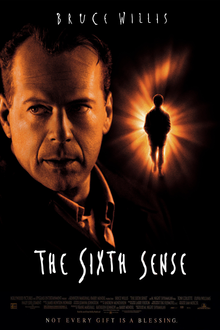
The sudden arrival of M. Night Shyamalan on the global cinematic landscape at the end of the twentieth century positioned him as a formidable new voice in American cinema. Critics noted that his earlier work, such as Wide Awake, barely hinted at the formal control he would display with his breakthrough project. The overwhelming commercial and critical success of The Sixth Sense established a new paradigm for the psychological thriller. It arrived with minimal fanfare but quickly dominated the cultural conversation through its masterful execution and enthusiastic word of mouth.
Unlike the loud blockbusters of the era like Armageddon, his work signaled a return to deliberate, character driven suspense. He revived the classical ghost story format for a modern audience. By blending poignant storytelling with intense emotional journeys, Shyamalan carved out a highly specific artistic space. He stood apart from the burgeoning raw aesthetic popularized by The Blair Witch Project and the computer generated spectacles resembling The Haunting, proving that viewers hungered for somber, meticulously crafted narratives rooted in human psychology.
Today, Shyamalan occupies a distinct position in cinema history as a master of the supernatural and psychological thriller. His early career arc demonstrates a rapid ascension from relative obscurity to top tier auteur status. By demanding that audiences engage with hushed, serious material that unlocks its secrets slowly, he redefined the commercial possibilities of the genre. His foundational work continues to be studied for its ability to balance massive box office appeal with genuine artistic rigor.
Thematic Preoccupations
The core thematic preoccupation of Shyamalan revolves around the intersection of supernatural elements and deep emotional trauma. His narratives frequently operate as an intense emotional journey where paranormal phenomena serve as catalysts for personal healing. In The Sixth Sense, the presence of ghosts is not merely a mechanism for terror but a profound exploration of unresolved grief. The supernatural operates as a physical manifestation of the burden of uncommunicated pain.
Redemption is another central pillar of his thematic architecture. His protagonists often carry the weight of past professional or personal failures, seeking a path to absolve themselves through their interactions with vulnerable, misunderstood individuals. This dynamic creates a poignant storytelling framework where psychological thriller aspects are intimately tied to complex character development. His heroes are flawed, deeply human figures seeking a second chance in a world that feels vast and unpredictable.
Furthermore, Shyamalan constantly explores the concept of ordinary people glimpsing hidden dimensions. He grounds his ghostly encounters in mundane, everyday reality, elevating the domestic world into a space of haunting atmosphere. These encounters function as reflections of internal psychological states. They force both the characters and the audience to confront profound questions about mortality, the necessity of belief, and the persistence of the human spirit beyond death.
Stylistic Signatures
Shyamalan constructs his cinematic universe through a highly controlled, somber visual language. Reviewers consistently highlight his ability to craft a haunting atmosphere without relying on excessive computer generated imagery. In an era often dominated by explicit visual excess, Shyamalan opts for creepiness and suggestion. He utilizes precise camera movements and deliberate framing to evoke an overwhelming sense of dread and melancholy.
His pacing is notably suspenseful, unfolding narrative secrets with a measured, hushed rhythm. This deliberate approach forces the audience to engage actively with the text, creating a viewing experience that makes one think, jump, and experience genuine sorrow. The tension in his films is built not through frantic action, but through silence, lingering shots, and a deeply immersive soundscape that amplifies the psychological weight of every scene.
The most recognizable stylistic signature of his early work is his bold narrative architecture, culminating in paradigm shifting revelations. His structural choices are meticulously designed to recontextualize the entire film that preceded them. This technique demands multiple viewings and demonstrates a rigorous formal discipline. It ensures that every narrative breadcrumb and visual cue serves a distinct, calculated purpose within the overarching puzzle of his cinematic design.
Recurring Collaborators
While an extensive ensemble of recurring cast members is not explicitly identified across multiple early films in the current database, the nature of Shyamalan's creative partnerships is best exemplified by his highly specific casting choices. His approach to directing actors involves stripping away their established cinematic personas to reveal profound internal vulnerability. This delicate technique requires immense trust and a close working relationship between the director and his lead performers.
The creative partnership with Bruce Willis in The Sixth Sense stands as a defining example of this methodology. Prior to working with Shyamalan, Willis was largely associated with pure action roles or critically dismissed projects like Color of Night and Mercury Rising. Under the careful guidance of Shyamalan, Willis delivered a performance that critics hailed as incredibly subtle and affecting. The director effectively dismantled the trademark smirk of the actor, guiding him to play the complex material with earnest, down to earth gravity.
This transformative approach to performance indicates a directorial style that privileges internal psychological realism over external posturing. By casting a grounded, recognizable star and placing him within a haunting, otherworldly context, Shyamalan creates a crucial anchor for the audience. The strength of these dedicated, highly focused collaborations is absolutely essential to making his ambitious supernatural conceits both convincing and emotionally resonant.
Critical Standing
The critical standing of M. Night Shyamalan was definitively cemented by the phenomenal reception of his breakout film. The Sixth Sense arrived as a major cinematic event, defying industry expectations to become both a critical darling and a commercial juggernaut. Reviewers championed the work as a master class in suspense, quickly elevating Shyamalan to the forefront of modern American auteurs. His rare ability to blend immense box office dominance with rigorous artistic integrity earned him widespread respect from populist audiences and serious art critics alike.
Within critical discourse, Shyamalan is often positioned as a traditionalist working gracefully within a modern cinematic framework. Esteemed voices like Roger Ebert noted that his work functions less as a conventional contemporary thriller and more as a powerful revival of the classical ghost story. This key distinction sets him apart from his contemporaries. It earned him immense praise for rejecting the frenetic, chaotic energy of late nineties blockbusters in favor of a hushed, deeply contemplative cinematic experience.
The enduring legacy of his early career is intrinsically tied to his absolute mastery of the narrative twist, a device that has heavily influenced his critical reputation over the decades. Critics celebrated his most famous conclusion not merely as a cheap trick, but as a genuinely shocking narrative evolution that forces a complete reassessment of the preceding story. Consequently, Shyamalan holds a unique, highly respected place in cinema history as a filmmaker who successfully married the thrilling mechanics of mainstream entertainment with the profound emotional depth of serious art.