Career Overview
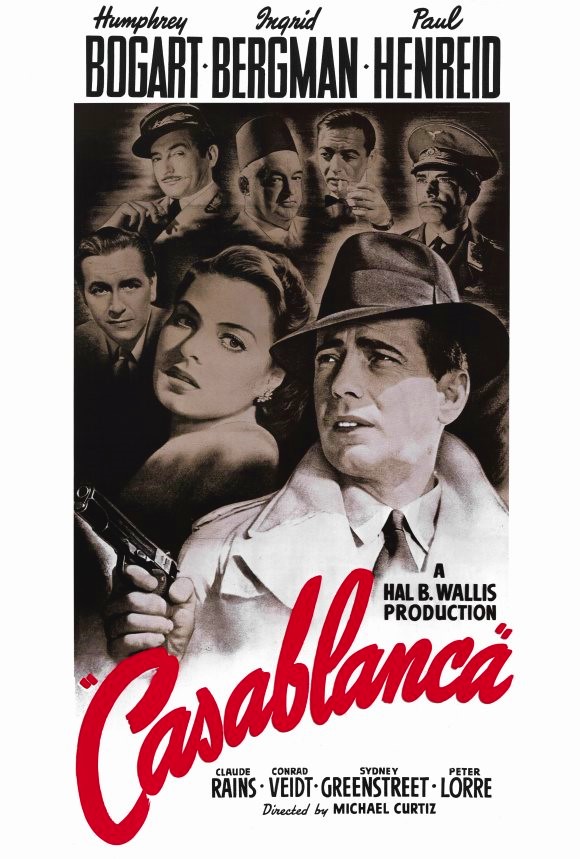
Michael Curtiz occupies a formidable position in cinema history as a supreme architect of the Hollywood studio system. His career arc reflects an unparalleled ability to elevate standard assignments into enduring masterworks. Born in Europe, his transition to American cinema allowed him to synthesize Old World atmospheric sensibilities with New World narrative momentum. This chronological development reached its zenith during the early 1940s, a period defined by wartime uncertainty and political upheaval. His most celebrated work, Casablanca, serves as the definitive testament to his craftsmanship, anchoring his reputation as a director capable of producing timeless cinematic landmarks.
Despite his immense success, Curtiz has often been characterized by critics as a pragmatic craftsman rather than a traditional auteur. Reviewers in the Los Angeles Times have famously described his crowning achievement as a fluke that works, a moniker that belies the rigorous discipline he brought to the set. He possessed an uncanny ability to navigate the strictures of studio production, expertly managing superb casts and demanding schedules. His background informed his deft handling of refugee narratives and expatriate milieus, lending a vital authenticity to stories of global conflict.
Ultimately, Curtiz's position in the pantheon of great directors is secure, buoyed by the unexpected success of films that have definitively escaped the ordinary categories. He is frequently discussed in the same breath as the creators of epics like Gone with the Wind, recognized for shaping the golden age of cinema. His legacy is one of rigorous professionalism resulting in a timeless quality that continues to captivate scholars and cinephiles alike.
Thematic Preoccupations
A comprehensive thematic analysis of Michael Curtiz reveals a deep preoccupation with the conflict between personal desire and the greater good. His films frequently thrust cynical, detached protagonists into a crucible of wartime uncertainty, forcing a difficult journey of self-discovery. These characters are defined by their reluctance to engage with global tragedies until a pivotal moment demands sacrificial love. The tension between isolationism and duty forms the philosophical core of his most enduring narratives, asking whether a single individual can remain neutral in a morally compromised world.
Personal redemption is another obsession that Curtiz returns to relentlessly. His protagonists often operate within morally gray arenas, such as Vichy-controlled territories, where survival requires moral flexibility. The narrative arc typically maps their evolution from personal interest to heroism in adversity. Through reflective storytelling, Curtiz examines the heavy toll of these redemptive choices, emphasizing that true heroism often demands the surrender of personal happiness. This focus on wartime resistance themes lends a profound, rich thematic depth to his filmography.
Furthermore, Curtiz intricately weaves romantic noir elements into these broader geopolitical conflicts. Love in his films is rarely unencumbered, it is a perilous endeavor tangled with political stakes and impending doom. By integrating unexpected plot twists with gripping plots, he transcends standard romantic tropes. The romance becomes a vehicle for exploring broader societal obligations, resulting in powerful themes that continue to resonate within critical discourse.
Stylistic Signatures
Michael Curtiz's visual language is a masterful synthesis of romantic noir aesthetics and thrilling pacing. He frequently employs stark lighting contrasts to externalize the inner turmoil of his nuanced characters, creating a pervasive atmosphere of suspense and moral ambiguity. This atmospheric approach grants his work a peculiar magic, elevating seemingly conventional scenes into iconic cinematic moments. His meticulous control over shadow and light is essential to building the dramatic tension that defines his gripping plots.
In terms of visual staging, Curtiz is renowned for his dynamic use of space and camera movement. Locations such as bustling expatriate nightclubs are transformed into microcosms of larger global conflicts. He blocks his actors to maximize the impact of witty dialogue, ensuring that every glance and gesture carries significant weight. The camera glides through crowded sets with a fluidity that captures both the intimacy of the central romance and the claustrophobia of wartime surveillance.
The editing rhythms in a Curtiz production prioritize an entertaining narrative without sacrificing reflective storytelling. He expertly balances thrilling scenes of high stakes action with quieter, dialogue heavy moments of self-discovery. This seamless integration of tone relies on his ability to elicit career defining performances from a thrilling leading man and a top-notch cast. His stylistic signatures ultimately serve the script, resulting in a cohesive experience that is both dramatic and timelessly resonant.
Recurring Collaborators
A rigorous examination of the provided database reveals a fascinating paradox regarding recurring collaborators in the work of Michael Curtiz. While the specific data identifies no recurring cast members across multiple films, his overarching methodology relied implicitly on the robust, collective machinery of the studio system. Curtiz was a director who thrived within a collaborative environment, utilizing the varied talents of studio writers, cinematographers, and ensemble casts to forge classic cinematic status.
The triumph of his most iconic work, notably Casablanca, is widely attributed to this synergistic studio process. Curtiz operated as the essential interpretive filter for these collective efforts, channeling disparate creative inputs into a unified vision. He leaned heavily on ensembles filled with nuanced character actors and compelling leads to deliver scripts characterized by witty dialogue and dramatic weight. This approach guaranteed that even seemingly routine studio assignments possessed a rich thematic depth.
In lieu of a dedicated repertory company of actors, Curtiz's true recurring collaborator was the studio apparatus itself. His pragmatic direction allowed him to harness the specific strengths of whatever top-notch cast the studio provided. By demanding excellence from his constantly changing crews and casts, he fostered an environment where unexpected success could flourish, transforming collaborative compromises into an enduring legacy of cinematic mastery.
Critical Standing
The critical reputation of Michael Curtiz is largely defined by the monumental and enduring legacy of his wartime cinema. Historically, his standing has oscillated between the categorization of a highly competent studio artisan and a visionary director. Critics from the Los Angeles Times have debated whether his defining achievements are simply a fluke that works or the product of deliberate genius. However, contemporary critical discourse increasingly recognizes him as a filmmaker whose work definitively escaped the ordinary categories of studio production.
Today, Curtiz holds a firmly established classic cinematic status. Publications such as Slant Magazine frequently cite the peculiar magic of his storytelling, praising his ability to weave tales of sacrifice in the name of the greater good. His standing is heavily bolstered by his capability to balance thrilling pacing with nuanced character studies. The Guardian celebrates his output as great romantic noir that remains grippingly powerful, emphasizing the timelessness of his witty dialogue and dramatic tension.
Comparisons to foundational texts like The Maltese Falcon and Gone with the Wind solidify his place at the apex of Hollywood's golden age. Variety echoes this broad critical acclaim, noting that his films are as entertaining as they are timely. Ultimately, Curtiz's critical standing has evolved into one of deep respect for his rich thematic depth and memorable storytelling, securing his position as a director of timeless masterworks.