Career Overview
Milos Forman remains a towering figure in the landscape of world cinema, possessing a career trajectory that spans the subversive brilliance of the Czechoslovak New Wave and the grand cinematic traditions of Hollywood. His transition to the United States marked a fascinating evolution in his directorial approach. Rather than abandoning his European auteur sensibilities, Forman seamlessly integrated them into the American studio system. This unique cultural synthesis allowed him to tackle quintessentially American subjects and historical European epics with an outsider's piercing objectivity.
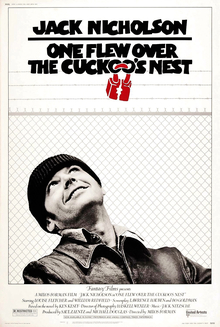
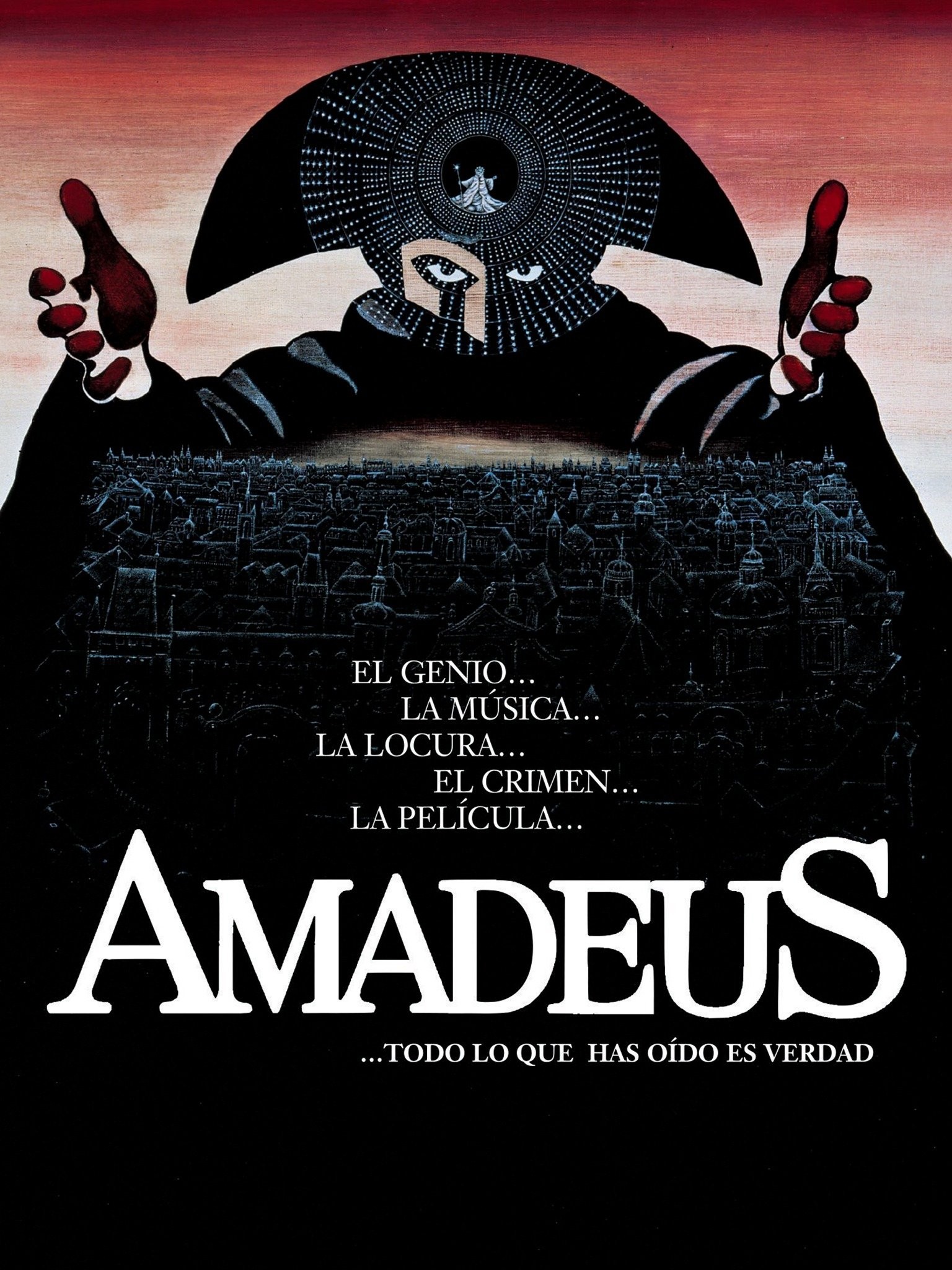
The defining pillars of his American career are undeniably One Flew Over the Cuckoo's Nest and Amadeus. Both films achieved monumental commercial and critical success, proving that complex, character-driven narratives could dominate the global box office. Forman demonstrated an unparalleled ability to elevate subjects often relegated to the art house circuit into the commercial mainstream, festooning them with Academy Awards and international acclaim in the process.
Today, Forman is positioned as a masterful chronicler of human defiance. His legacy rests on his uncompromising vision and his dedication to exploring the friction between idiosyncratic individuals and rigid societal structures. Film historians and critics continue to study his filmography as a masterclass in balancing populist entertainment with rigorous intellectual depth, securing his place as one of the most vital directors of the late twentieth century.
Thematic Preoccupations
At the core of Forman's cinematic universe lies a relentless exploration of individualism versus conformity. His narratives consistently pit a vibrant, chaotic life force against the suffocating weight of oppressive authority. In One Flew Over the Cuckoo's Nest, this conflict is literalized in the battle between Randle McMurphy and Nurse Ratched. The mental health institution serves as a microcosm for a repressive society, inviting frequent comparisons to the theories of Michel Foucault. Ratched represents a system where sanctity means order rather than freedom, while McMurphy embodies the raw will to prevail.
This rebellion against authority takes on a more refined but equally destructive shape in Amadeus. Here, the rigid authority is not a medical institution but the conservative Austrian court and the self-imposed pious discipline of Antonio Salieri. Mozart acts as the disruptive force, challenging musical conventions and societal decorum. Both films ask profound questions about the cost of maintaining order and the tragic fate that often awaits those who refuse to assimilate into the machinery of conformity.
The dichotomy of genius versus mediocrity forms another crucial thematic obsession, driven primarily by profound artistic jealousy. Salieri is framed as an endlessly fascinating and surprisingly sympathetic villain, a man whose real quarrel is not with Mozart but with God. Forman crafts a compelling narrative of envy where the antagonist is fully aware of his own limitations. This soul-deep exploration of artistic rivalry elevates the narrative beyond simple conflict, resulting in a deeply moving and thought-provoking meditation on the arbitrary nature of divine gifts.
Forman masterfully balances these weighty philosophical concerns with a distinctly witty and often hilarious tone. Despite the brooding atmosphere and ultimately tragic storytelling inherent in his work, the director infuses his films with a vibrant, pulsating energy. This juxtaposition of the hilarious and the heartbreaking creates an intense emotional experience, ensuring that his thematic preoccupations resonate on an intimately human level.
Stylistic Signatures
Forman's visual language is characterized by a deliberate contrast between institutional sterility and opulent grandeur. His stylistic approach is always dictated by the thematic needs of the narrative. In One Flew Over the Cuckoo's Nest, the cinematography emphasizes the bleak, fluorescent-lit reality of the psychiatric ward. The framing highlights the confinement of the characters, creating a claustrophobic atmosphere that visually reinforces the themes of control and medicalization.
Conversely, Amadeus showcases Forman's capacity for bombastic style and visual maximalism. The film features lavish and opulent production design, utilizing oversized settings and sumptuous period costumes to recreate the grandeur of eighteenth-century Vienna. This gorgeous visual feast is never merely decorative. The historical accuracy and elaborate mise-en-scene function as a gilded cage, illustrating the overwhelming weight of tradition that threatens to crush the free-spirited genius of the protagonist.
A defining signature of Forman's direction is his brilliant orchestration of ensemble performances. He has an extraordinary ability to balance enormous, film-dominating lead turns with delicate supporting performances. Whether capturing a powerhouse display of manic energy or a masterclass in restrained, anguished intensity, Forman knows exactly when to push his actors and when to let the camera linger on subtle, internal conflicts. His framing often isolates the protagonist within a crowd, visually emphasizing their alienation from the conforming masses.
Sound and music are integral components of Forman's storytelling arsenal. In his historical epics, classical compositions do not merely serve as background score but operate as a central narrative force. The music becomes a character itself, representing both the divine inspiration of genius and the mocking reminder of mediocrity. Auditory details, such as a character's distinctive, nitrogen-voiced laugh, are deployed meticulously to pierce through atmospheres of rigid formality, creating memorable stylistic signatures that linger long after the final frame.
Recurring Collaborators
Unlike many auteurs who rely on a fixed repertory company of actors across their entire filmography, Forman is notable for treating each project as an isolated universe requiring a unique constellation of talent. There are no frequently recurring cast members that define his most celebrated American films. Instead, his primary collaborative signature is his rigorous, transformative process with the actors he selects for each specific narrative, forging temporary but highly impactful creative partnerships.
Forman operates as a masterful facilitator for his leading men, helping them achieve career-defining, electrifying performances. His collaboration with Jack Nicholson in One Flew Over the Cuckoo's Nest resulted in a profoundly physical and manically energetic portrayal that cemented the actor in the highest echelons of cinematic stardom. Similarly, his work with F. Murray Abraham in Amadeus yielded a performance of a lifetime, characterized by gorgeous villainy and seething passion. Forman grants his leads the space to explore the extreme boundaries of human emotion.
Equally important is Forman's meticulous collaboration with supporting casts. He possesses a rare talent for drawing the audience's eyes to secondary characters who provide essential counterweights to the towering leads. Collaborators like Will Sampson, who physicalizes the silent trauma of the institutionalized, and Liesel Allen Yeager, who injects a crucial dose of conflicted reality, demonstrate Forman's commitment to building a cohesive ensemble.
Behind the camera, Forman frequently aligned himself with visionary producers and technical artisans capable of realizing his oversized production demands. These collaborations allowed him to achieve the lavish historical accuracy and complex tonal shifts his scripts required. By surrounding himself with top-tier craftspeople, Forman ensured that every technical aspect of his films elevated the overarching narrative of his brilliant filmmaking.
Critical Standing
Milos Forman occupies a highly prestigious space within critical discourse, celebrated as one of the few directors capable of achieving sweeping, unanimous acclaim. His critical standing is anchored by rare historic milestones. One Flew Over the Cuckoo's Nest remains an inspiring triumph that famously became the first movie since Frank Capra's It Happened One Night to win the top five Academy Awards. This accomplishment solidified Forman's reputation as a filmmaker who could seamlessly merge populist entertainment with profound artistic merit.
Critics frequently analyze Forman's work through rigorous theoretical frameworks. Reviewers have drawn comparisons between his depiction of authoritative institutions and the carceral philosophies of Michel Foucault, noting how his hospitals symbolize the repressive madness of square society. At the same time, his films are celebrated for their compelling narrative momentum, often earning favorable comparisons to thrilling classics like The Great Escape. This duality ensures his work is studied by film theorists and enjoyed by mainstream audiences alike.
Over time, Forman's critical reputation has evolved from being seen merely as a rebellious voice of the 1970s to a versatile master of the historical epic. The release of Amadeus proved his ability to handle lavish, oversized productions without losing his grip on intimate emotional depth. Critics universally praise his skillful presentation of complex concepts like artistic jealousy and the tragic consequences of individualism. His antagonists are recognized as some of the most endlessly fascinating and sympathetic in cinematic history.
Today, Forman is revered for his profoundly truthful storytelling and his unwavering commitment to exploring soul-deep themes. His films are regarded as intense emotional experiences that continue to provoke thought and inspire debate. By consistently challenging oppressive authority through brilliant filmmaking, Forman has secured a permanent, authoritative legacy in the pantheon of great international directors.