Career Overview
Peter Weir occupies a fascinating space in the landscape of contemporary cinema, functioning as an astute observer of institutional structures and personal awakenings. Coming from the Australian New Wave, a background hinted at by critical comparisons to his earlier work like Gallipoli, Weir transitioned into the American studio system with a unique, outsider perspective. His career arc is defined by an ability to craft highly accessible narratives that simultaneously harbor deep philosophical inquiries. He has consistently operated at the intersection of commercial appeal and rigorous thematic exploration.
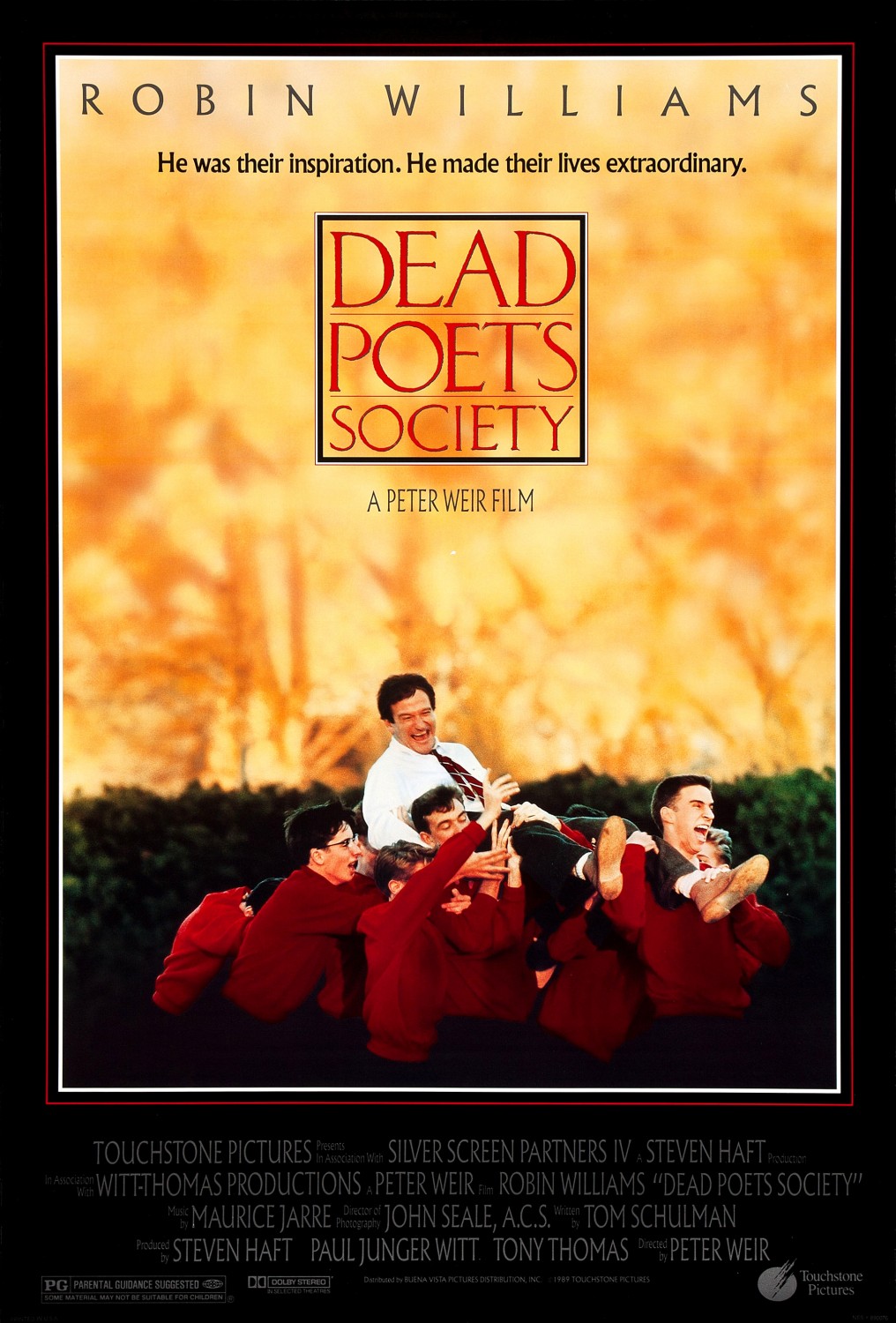
The release of Dead Poets Society in the late 1980s marked a pivotal moment in his trajectory. The film established Weir as a director capable of navigating the complex emotional terrain of youth rebellion and academic pressure. By centering his narrative on the collision of unorthodox teaching methods and conservative traditionalism, he struck a cultural nerve. The project solidified his reputation for delivering moving and elegiac narratives that resonated deeply with global audiences.
As the twentieth century drew to a close, Weir evolved his thematic focus to address the burgeoning age of mass surveillance and artificial realities. With The Truman Show, he delivered what many critics consider an end of the millennium masterpiece. This project demonstrated his prescient understanding of media manipulation and reality television, pivoting from the historical confines of an elite boarding school to the sanitized, synthetic environment of a broadcasted life.
Ultimately, Weir's position in cinema history is that of a humanist auteur. He utilizes mainstream genres, ranging from the coming of age drama to science fiction satire, to dissect the human condition. His films are celebrated for their intelligent exploration of human experience, proving that mainstream entertainment can serve as a profound vessel for societal critique.
Thematic Preoccupations
The thematic spine of Weir's filmography is the perpetual conflict between individual expression and conformity. His protagonists frequently find themselves trapped within rigid, highly orchestrated environments, whether that is the stifling traditionalism of Welton Academy in Dead Poets Society or the literal television set of Seahaven in The Truman Show. Weir returns obsessively to the question of how a person maintains their neurotic soul and personal freedom when surrounded by overwhelming systemic pressure.
Authority, and the necessary rebellion against societal norms, serves as the catalyst for his narratives. Weir examines how institutional control suppresses spontaneity and idealism. In his films, the governing bodies demand absolute obedience, and the journey of the protagonist is always a quest for autonomy. The subversion of this authority is rarely depicted as a simple act of defiance, but rather as a complex, often perilous process of emotional growth and romantic destruction.
Education and inspiration through art are presented as the primary mechanisms for liberation. In Dead Poets Society, poetry is not merely an academic subject but a vital tool for courageous individuality and personal discovery. The mentor and mentee relationship becomes a sacred space where mysticism in art can awaken a dormant spirit. Similarly, the protagonist of The Truman Show must educate himself on the true nature of his existence, learning to decode the reality around him to achieve true enlightenment.
Finally, the illusion of reality and the danger of media manipulation define his later work. Weir utilizes The Truman Show to mount a provocative, cautionary critique of consumerism and manufactured joy. He questions the ethical boundaries of entertainment, turning a satirical eye toward a society that happily trades authentic human experience for sanitized, brilliantly executed artifice.
Stylistic Signatures
Weir is distinguished by a stylistic approach that privileges controlled, passionate narrative over flashy technical exhibition. Critics frequently note his highly competent execution, observing that his direction serves the emotional and philosophical core of the story rather than drawing attention to itself. His pacing is remarkably controlled, allowing the internal transformations of his characters to unfold with a measured, deliberate rhythm that amplifies the emotional depth of the climax.
A profound sensitivity to setting and environment dictates his visual language. Weir frequently uses natural landscapes as a counterpoint to artificial or oppressive human constructs. The cinematography in Dead Poets Society captures the breathtaking, shifting seasons of the New England setting, which visually mirrors the organic emotional growth of the students against the rigid, unyielding stone architecture of the academy. Conversely, his visual approach in The Truman Show intentionally highlights the overly bright, unnervingly flawless design of a fabricated world.
In terms of performance direction, Weir has a unique signature of casting renowned comedic actors and stripping away their familiar, recycled schtick. By tapping into their eccentric inspirations, he guides them toward heartfelt, grounded, and often melancholy performances. This ability to elicit repressed rage and profound sadness from performers traditionally known for their exuberance is a central pillar of his directorial technique.
Tonally, Weir balances the warm and passionate with the deeply elegiac. His films often build toward unforgettable, powerful images that stick in the mind, summarizing the entire thematic weight of the narrative in a single frame. Whether it is a defiant classroom standing on their desks or a man touching the painted wall of his artificial sky, Weir crafts visual metaphors that are incredibly clever and deeply moving.
Recurring Collaborators
The ensemble cast of Dead Poets Society represents one of the most critical collaborative networks in Weir's career. At the center of this dynamic is his partnership with Robin Williams. By working closely with Weir, Williams delivered a standout performance that moved significantly beyond his usual comedic persona. Their collaboration allowed Weir to effectively anchor his exploration of the teacher and student relationship in a deeply nuanced, profoundly human portrayal of an unconventional mentor.
Surrounding Williams was a tightly knit ensemble of young actors, including Robert Sean Leonard, Ethan Hawke, Josh Charles, Gale Hansen, and Dylan Kussman. The synergy among these performers was essential for realizing Weir's vision of a collective awakening. Their combined efforts created an authentic portrayal of educational pressure and student autonomy, providing the necessary emotional stakes for the tragedy that unfolds in the third act.
This recurring ensemble of young talent functions as a unified cinematic organism. By utilizing the same core group of boys to represent the various facets of youthful idealism and conformity, Weir grounds his narrative in a believable, lived in reality. The trusting dynamic built between the director and his young cast translates directly into the raw, heartfelt moments that define the emotional climax of the picture.
While The Truman Show introduces a new set of collaborators, the directorial approach honed with Williams clearly influenced Weir's work with Jim Carrey. Carrey serves as a spiritual successor in Weir's collaborative history, another vibrant comedic force channeled into a surprisingly good, dramatically poignant role. This recurring strategy of partnering with brilliant, highly expressive leading men allows Weir to infuse his philosophical inquiries with an accessible, highly entertaining humanity.
Critical Standing
Weir's critical reception has been historically complex, characterized by an ongoing debate between his mastery of craft and the perceived conventionality of his screenplays. For much of his career, particularly during the release of Dead Poets Society, he was lauded for his warm and passionate tone. Yet, a vocal segment of the critical establishment argued that his films, while competent, occasionally lacked necessary emotional depth and relied on clichéd elements or formulaic storytelling.
Reviewers frequently contextualized his mid career work by comparing it to standard coming of age narratives. Dead Poets Society was often measured against films like The Breakfast Club or Goodbye, Mr. Chips. While some critics praised it as a moving elegy, others dismissed it as an undistinguished homage, suggesting the narrative was too pat and predictable. This duality in reception highlights a director who always successfully engaged audiences, even when critics debated the intellectual rigor of the script.
The release of The Truman Show, however, catalyzed a massive upward shift in Weir's critical standing. Reviewers universally praised the film as a clever, witty, and brilliantly executed satire. The critical community recognized that the underlying ideas made the movie far more than just entertainment. It was celebrated as an intelligent exploration of human experience, shedding the accusations of recycled schtick that haunted his earlier mainstream efforts.
Today, Weir's place within critical discourse is secure as a visionary filmmaker who successfully smuggled profound philosophical and sociological questions into the multiplex. He is respected for crafting cautionary, thought provoking cinema that remains entirely entertaining. His ability to balance commercial viability with potent critiques of conformity and media manipulation has cemented his legacy as a uniquely powerful voice in modern cinema.