Career Overview
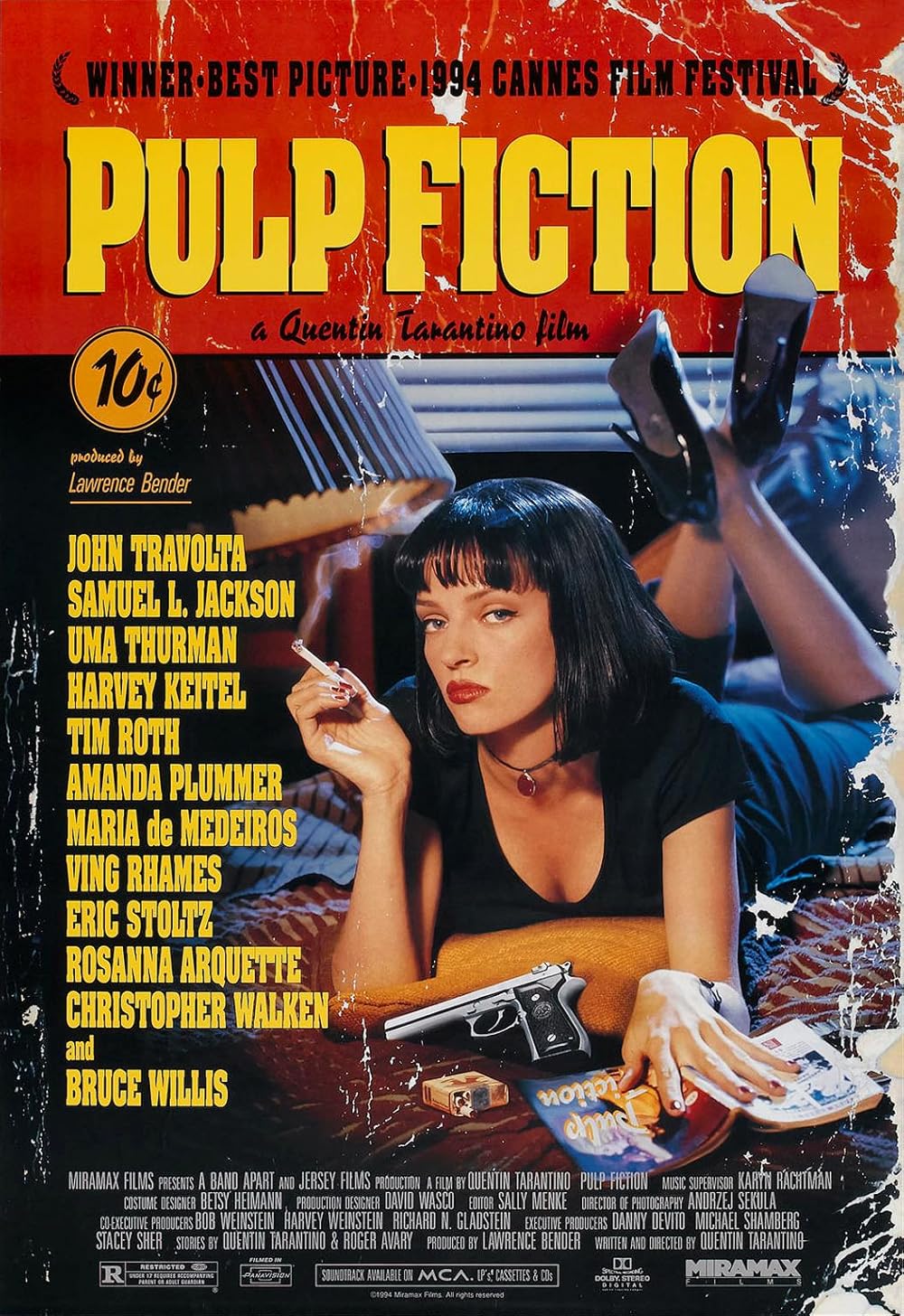
Quentin Tarantino emerged as a transformative figure in 1990s independent cinema, cementing his position as a postmodern auteur with his 1994 breakout masterpiece, Pulp Fiction. His arrival on the scene redefined American filmmaking, introducing an era where directors could seamlessly weave a patchwork of crime film history into something shiny and new. His background as a former video store clerk deeply informed his encyclopedic knowledge of cinema, allowing him to pull from obscure genre pictures and elevate them to high art.
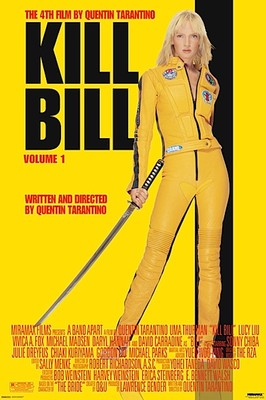
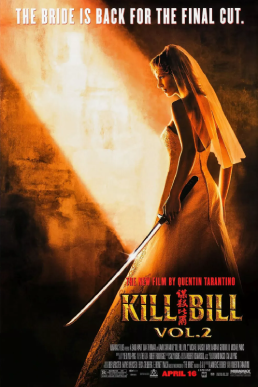
Transitioning into the 2000s, his work expanded in scope from the gritty underworld of Los Angeles to sprawling, international cinematic homage. This evolution is most evident in his martial arts epic, split into Kill Bill: Vol. 1 and Kill Bill: Volume 2. These films demonstrated a shift from urban crime narratives to a highly stylized synthesis of global cinema traditions, specifically drawing upon Japanese animation, samurai films, and grindhouse kung fu movies.
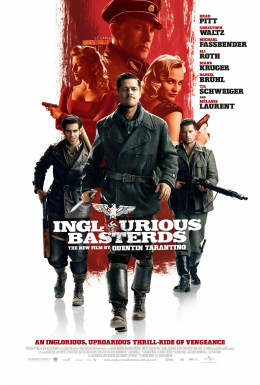
The late 2000s marked another significant pivot in his career trajectory toward historical revisionism. With Inglourious Basterds, Tarantino applied his signature genre subversion to the World War II epic. This trajectory shows a director moving from contemporary pop culture collages to audacious reclamations of global history, firmly establishing his unique and enduring position in the pantheon of modern American cinema.
Thematic Preoccupations
The most prominent thematic preoccupation across Tarantino's filmography is the concept of revenge. This is explored as a driving narrative engine in both Kill Bill: Vol. 1 and Kill Bill: Volume 2, where the protagonist seeks violent, unyielding retribution against those who betrayed her. In Inglourious Basterds, this revenge motif is elevated to a macroscopic scale, offering cathartic, rewritten historical vengeance against the cruelty of the Nazi regime.
Intertwined with vengeance is the persistent theme of violence as spectacle. Tarantino treats violent action sequences not merely as plot devices but as meticulously choreographed cinematic expressions. Reviewers frequently note the stylized depiction of violence, debating whether it serves as a thrilling rush or a desensitizing barrage of bloodletting. Regardless of the interpretation, his use of violence is intrinsically linked to character development and thematic depth.
A compelling current of subversive feminism also threads powerfully through his narratives. The Bride in the Kill Bill saga stands as a monumental figure of female empowerment and resilience, hacking her way through traditionally male dominated genre conventions. This focus on fierce, capable women challenges traditional action cinema paradigms while celebrating female agency amidst acrobatic fight choreography.
Finally, cinematic homage and intertextual references function as his thematic bedrock. His films are self aware dialogues with the history of the medium itself. Whether dissecting mundane cultural references in Pulp Fiction or examining communication themes through the lens of multiple European languages in Inglourious Basterds, he uses the shared, global language of cinema to construct his philosophical inquiries.
Stylistic Signatures
Tarantino's visual language is defined by audacious creativity and a highly stylized approach to visual storytelling. He frequently employs bold color palettes, dynamic camera movement, and visually striking imagery to elevate familiar genre conventions. His meticulous craftsmanship is evident in the precise framing of his action packed sequences, which often blend the aesthetic sensibilities of Sergio Leone spaghetti westerns with the kinetic energy of Asian martial arts cinema.
A defining structural signature is his affinity for disrupted chronologies and intricate pacing. Pulp Fiction masterfully intertwines multiple storylines out of sequential order, creating a complex web of character dynamics that redefines the crime genre. This temporal playfulness requires the audience to actively engage with the text, piecing together the fragmented plot to reveal a cohesive thematic tapestry.
His dialogue is equally iconic, characterized by rhythmic, pop culture infused monologues that often juxtapose mundane observations with moments of extreme tension or violence. This creates a distinct humor in violence, an absurdist tone that permeates films like Inglourious Basterds. The characters speak in a hyper articulate cadence that serves as both deep character development and atmospheric world building.
The aural landscape of a Tarantino film is just as crucial as its visual component. He typically eschews traditional orchestral scores in favor of heavily curated soundtracks featuring obscure pop songs, surf rock, and classic cinematic cues from composers like Ennio Morricone. This auditory pastiche enhances the cinematic homage, anchoring the stylized depiction of violence in a nostalgic yet entirely modern emotional resonance.
Recurring Collaborators
The realization of his highly specific cinematic vision relies heavily on a dedicated troupe of recurring actors who are deeply attuned to his unique linguistic rhythms. Chief among these collaborators is Uma Thurman, who anchors three of his most iconic works in our database. Her performances in Pulp Fiction and the Kill Bill duology are central to his exploration of subversive feminism and revenge. Thurman serves as both muse and surrogate, translating his dense dialogue and stylized action into compelling onscreen reality.
David Carradine, Michael Madsen, and Daryl Hannah represent another vital cluster of collaborators, particularly within the ambitious martial arts saga of Kill Bill: Volume 2. Carradine brings a solemn undertone and mature gravity to the titular role, perfectly executing the profound themes of the saga's conclusion. Madsen, who frequently embodies a weary, detached brutality, perfectly complements the director's penchant for cool, laconic criminals.
Hannah's treacherous assassin highlights his love for visually striking, highly stylized antagonists. Together, these actors possess a shared understanding of how to perform within a heightened reality. They balance the intense demands of grindhouse pastiche with genuine emotional stakes, keeping the characters grounded even when the narratives veer into the absurd.
Beyond the cast, his early writing partnership with Roger Avary on Pulp Fiction was instrumental in shaping his breakout success. Their collaboration yielded an acclaimed screenplay that defined a generation of independent filmmaking. These creative partnerships, both in front of and behind the camera, are the engine that powers his meticulously engineered cinematic universes.
Critical Standing
Quentin Tarantino's critical standing has been characterized by intense adulation coupled with fierce, ongoing debate. From the moment Pulp Fiction won top honors at the Cannes Film Festival, he was heralded as a brilliant screenplay writer and a transformative auteur. Critics routinely praise his raucous energy, visual innovation, and unparalleled ability to weave a patchwork of crime film history into groundbreaking, visceral art.
However, his work frequently polarizes critical audiences, often drawing accusations of self indulgence and historical inaccuracy. Reviews of Inglourious Basterds ranged widely, with some hailing it as a masterpiece of meticulous craftsmanship and others dismissing it as a colossal, complacent dud. Similarly, his division of the revenge narrative into Kill Bill: Vol. 1 and Kill Bill: Volume 2 sparked debates over pacing, with some praising the masterful storytelling and others criticizing the project as an overstretched multimedia experiment.
The thematic depth of his violence is another perpetual flashpoint in critical discourse. While some critics view the constant bloodletting as brilliantly oddball and celebratory, others find it desensitizing and excessively callous. Yet, even his harshest detractors rarely deny his formidable technical proficiency and the sheer directionless excitement he conjures on screen.
Over time, his reputation has matured from that of a juvenile provocateur to a sophisticated, albeit divisive, elder statesman of cinema. Critics now recognize his ambitious genre amalgamations not merely as superficial cinematic homage, but as profound explorations of the cinematic medium itself. His position in cinema history remains secure, representing a definitive bridge between classic exploitation cinema and prestige contemporary filmmaking.