Career Overview
Rob Minkoff occupies a distinct space in the landscape of American animation. Coming to prominence during the fabled Disney Renaissance, his trajectory is inextricably linked to the revival and modernization of the traditional studio system. While many directors of his era focused on safe fairy tale adaptations, Minkoff emerged as a filmmaker willing to tackle weighty, mythological narratives within a highly commercial framework. His position in cinema history is largely defined by his ability to balance classic animation principles with an ambitious thematic scope.
His background in the rigid, deeply collaborative environment of studio animation shaped his approach to storytelling. Minkoff learned to navigate the complex machinery of corporate filmmaking, finding pockets of artistic expression within massive productions. This duality characterizes his entire career arc. He is both a company man capable of delivering global blockbusters and a meticulous craftsman who understands the profound emotional mechanics of the animated form.
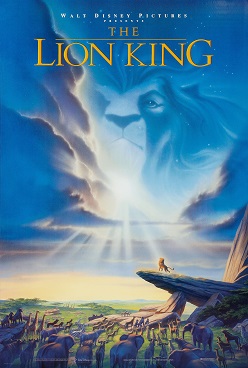
By steering projects like The Lion King, Minkoff cemented his reputation as a director who could orchestrate sprawling epics. His work represents a bridge between the quaint, hand-drawn sensibilities of early animation and the massive, four-quadrant event films that would dominate the twenty-first century. Minkoff proved that animated features could achieve the same cultural penetration and critical heft as live-action dramas, permanently altering the industry's perception of the medium's potential.
Thematic Preoccupations
At the core of Minkoff's directorial vision is a profound fascination with themes of betrayal and redemption. His narratives frequently center on protagonists who are violently expelled from their comfortable origins, forcing them into a wilderness of self-discovery. This coming-of-age trajectory is never simple. It is fraught with psychological burdens, generational guilt, and the necessity of confronting past traumas. The concept of familial obligation, often framed through a patriarchal lens, serves as the crucible in which his characters are tested.
Minkoff elevates traditional animated storytelling by injecting these archetypal journeys with surprising solemnity. Drawing heavily from Shakespearean tragedy, particularly Hamlet, his films explore the corrupting nature of power and the heavy burden of legacy. The wilderness in his work functions not just as a physical location but as a psychological state where characters must reconcile their inherent nature with their assigned duties. This existential negotiation pushes the boundaries of family entertainment, introducing young audiences to concepts of mortality and existential purpose.
Yet, these heavy philosophical concerns are expertly balanced with adventurous storytelling and humorous undertones. Minkoff understands that pure drama and emotional depth require moments of levity to achieve their full impact. By interweaving tragic elements with vibrant, comic detours, he creates a dialectic narrative structure. The juxtaposition of intense grief with joyful survival tactics allows him to explore controversial themes without alienating his audience, resulting in works that feel simultaneously epic and intimately relatable.
Stylistic Signatures
The visual language of Rob Minkoff is characterized by simple, bold animation executed with muscular confidence. He favors sprawling vistas and epic compositions that dwarf his characters, emphasizing their vulnerability against the vastness of the natural world. This approach to mise-en-scène creates an immediate sense of scale, aligning his animated features with the grand tradition of mid-century cinematic epics. His framing often utilizes dramatic low angles and sweeping establishing shots to convey a sense of majesty and mythic importance.
Musically, Minkoff employs an experimental narrative approach, utilizing songs not merely as interludes but as vital expressions of psychological states and plot progression. The musical elements in his films are gorgeously drawn and intricately choreographed, blending traditional Broadway pacing with avant-garde visual sequences. These sequences often break from the established reality of the film, utilizing abstract colors and surreal imagery to externalize the internal conflicts of the characters.
Despite the grand scale of his primary narratives, Minkoff is acutely aware of the power of peripheral characters. He allows sidekicks and secondary figures to hijack the narrative momentum, utilizing them to inject necessary tonal shifts. This rhythmic editing approach alternates between solemn, emotionally charged moments and kinetic, slapstick sequences. The result is a highly textured cinematic experience where the solemnity of the subject matter is continually refracted through different emotional lenses, keeping the audience consistently engaged.
Recurring Collaborators
Unlike live-action auteurs who frequently build a stable of recurring on-screen talent, Minkoff operates within an industrial model where the animation studio itself functions as his primary collaborator. The nature of his most prominent work dictates that his essential partnerships are forged with animators, storyboard artists, and character designers rather than a recurring cast of actors. This dynamic requires a different kind of directorial leadership, one based on harmonizing the efforts of hundreds of unseen craftsmen to achieve a singular artistic vision.
The absence of a traditional, recurring ensemble cast forces the focus onto the structural elements of his films. Minkoff's collaborative genius lies in his ability to synthesize the disparate voices of musical composers, screenwriters, and vocal performers into a unified tone. By treating the studio apparatus as his instrument, he manages to craft narratives that feel highly personal despite their massive, corporate origins.
Furthermore, the reliance on a shifting roster of voice actors allows Minkoff to cast specifically for the thematic needs of each individual project. Without the baggage of recurring personas, the characters remain completely tethered to their specific mythic archetypes. This approach ensures that the focus remains entirely on the rigorous, emotionally charged storytelling rather than the star power of the performers, cementing the animated medium as the true star of his cinematic endeavors.
Critical Standing
The critical reception of Rob Minkoff's work is characterized by a fascinating duality. Early reviews frequently expressed surprise at the solemnity and dramatic depth of his films, noting that his animated features often delivered far more than audiences expected. Critics praised his ability to blend the magic of traditional animation with subject matter that tackled weighty, biblical themes. Comparisons to timeless animation classics like Bambi and Snow White and the Seven Dwarfs were common, positioning Minkoff as a direct heir to the foundational legacy of animated storytelling.
However, his work has not been immune to critical scrutiny. Some analytical voices have pointed out that while his experimental musical numbers are visually arresting, they occasionally lack the narrative conflict found in more grounded cinematic styles. Additionally, certain critics have observed that his central storylines can sometimes be overshadowed by scintillating peripheral characters who steal the show. This has led to ongoing discourse about the balance between grand, mythic storytelling and the commercial necessity of entertaining, humorous sidekicks in his films.
Over time, Minkoff's standing has solidified as a master of the classic animated feature. Retrospective evaluations, especially surrounding large-format re-releases of his work, highlight the fluency and confidence of his direction. His films are now widely taught and studied as prime examples of how to execute emotionally resonant, four-quadrant blockbusters. Ultimately, Minkoff is celebrated for creating learning experiences disguised as entertainment, utilizing the animated medium to explore the human condition with profound emotional depth.