Career Overview
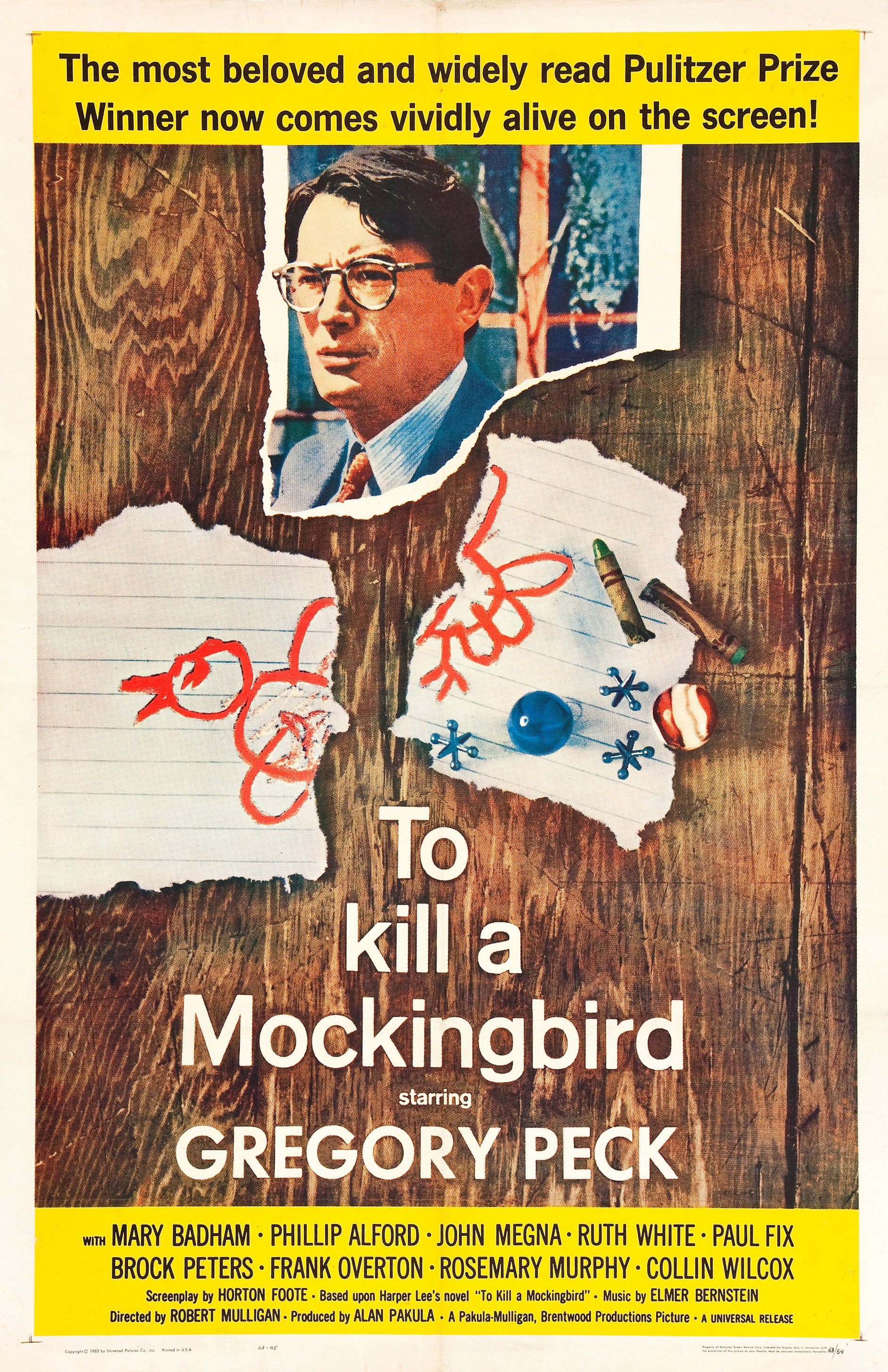
Robert Mulligan occupies a distinct and venerated position within American cinema, largely defined by his unparalleled ability to render intimate human dramas with profound emotional impact. As a director, Mulligan emerged during a transitional era in Hollywood, bridging the classical studio tradition with a newer, more socially conscious wave of filmmaking. His crowning achievement within this database, To Kill a Mockingbird, cemented his reputation as a filmmaker of remarkable sensitivity and structural discipline.
His background often favored narratives that explored the intricacies of memory, childhood, and the moral fabric of American society. By focusing intensely on character development, Mulligan fostered an environment where complex social realities could be explored through a deeply personal lens. His work eschewed flashy cinematic gimmickry in favor of authentic representation, allowing the inherent power of the narrative to take center stage.
Mulligan's career arc demonstrates a consistent dedication to adapting formidable literary works into the cinematic medium. His cinematic translation of Harper Lee's novel stands as a definitive example of his process. He approached beloved texts not with rigid reverence, but with an eye for translating literary voice into visual storytelling, ultimately securing his place as a purveyor of timeless cinematic art.
Thematic Preoccupations
A central preoccupation in the cinema of Robert Mulligan is the fragile, often painful process of coming of age. In To Kill a Mockingbird, the narrative unfolds through the dual perspectives of childhood innocence and adult realization. Mulligan frequently interrogates the exact moment when the sheltered worldview of youth is irrevocably shattered by the harsh realities of the adult world, particularly the sudden exposure to societal prejudice and cruelty.
Equally paramount to Mulligan's thematic framework is a deep examination of moral integrity in the face of systemic corruption. The character of Atticus Finch stands as a towering embodiment of ethical steadfastness. Mulligan uses this steadfastness to probe the complexities of racial injustice, creating a stark contrast between a single man's moral clarity and the entrenched bigotry of a nineteen thirties Southern community. This persistent focus on morality functions as a direct social commentary on the enduring fractures within American society.
Furthermore, historical context serves as more than mere background in Mulligan's narratives; it is an active, oppressive force. He uses specific historical epochs to reflect broader cultural significance, urging the audience to confront uncomfortable truths about the nation's past. The influential messages embedded in his films are designed to resonate across generations, proving that his thematic obsessions with justice and empathy are indeed timeless themes.
Stylistic Signatures
Mulligan's visual language is defined by a commitment to authentic representation and measured pacing. Rather than relying on overt stylization, he constructs his frames to prioritize the humanity of his subjects. In To Kill a Mockingbird, the mise en scene meticulously recreates a Depression era Alabama town, not merely as a historical diorama, but as a lived in, tactile environment. His camera placement often adopts the physical and psychological vantage point of his younger characters, grounding the audience in their limited but highly observant perspective.
A core component of Mulligan's stylistic signature is his facilitation of profound emotional impact through understated execution. He relies heavily on nuanced character development, allowing the internal lives of the protagonists to drive the narrative forward. This technique demands an extraordinary level of performance modulation, resulting in what critics frequently describe as powerful performances. Mulligan's editing rhythms are similarly deliberate, granting actors the necessary space to explore the quiet moments of realization that precede dramatic outbursts.
Moreover, Mulligan's use of moving storytelling is deeply tied to his auditory and atmospheric choices. He often employs a subtle interplay of ambient sound and evocative musical scoring to underscore the emotional undercurrents of a scene. By marrying this atmospheric sensitivity with his patient visual style, Mulligan creates a cinematic experience that feels simultaneously intimate and monumental.
Recurring Collaborators
While the available data does not highlight a traditional, expansive repertory company of actors across multiple films, Mulligan's career is nonetheless defined by highly impactful, singular collaborations. Chief among these is his creative partnership with leading men, most notably Gregory Peck. When evaluating To Kill a Mockingbird, critics consistently note how Mulligan leveraged the actor's innate gravitas.
The collaboration with Peck required a mutual understanding of restraint. Critics frequently contrast this defining performance with Gregory Peck's previous roles, noting that Mulligan guided the actor to a performance of rare depth. By tapping into Peck's established persona of stoic decency and stripping away any Hollywood artifice, Mulligan helped forge one of the most beloved characters in cinematic history. This partnership exemplifies Mulligan's broader ability to align an actor's intrinsic qualities with the precise thematic needs of the material.
Additionally, Mulligan's relationship with writers and source material functions as a vital collaborative pillar. The constant critical comparisons to Harper Lee's novel suggest that Mulligan treated the original text as a silent collaborator. He possessed a unique skill for synthesizing complex literary architecture into a cohesive cinematic blueprint, honoring the original author's intent while asserting his own directorial vision.
Critical Standing
The critical reputation of Robert Mulligan is characterized by deep respect and enduring admiration. Upon its release, his defining work was immediately recognized by the Los Angeles Times as offering a fresh perspective on a familiar story, while publications like The Hollywood Reporter, IndieWire, The Guardian, and Variety unanimously hailed it as a film of rare quality. This initial wave of universal acclaim established Mulligan as a filmmaker capable of delivering both commercial accessibility and rigorous artistic merit.
Over the decades, Mulligan's standing within critical discourse has evolved, yet his central masterpiece has never waned in popularity. RogerEbert.com notes that the movie has remained the favorite of many people, functioning as a time capsule that preserves hopes and sentiments from a kinder, gentler, more naive America. This observation underscores the nostalgic power of Mulligan's direction, even as modern critics continue to unpack the darker thematic currents running beneath the surface of his narratives.
In contemporary evaluations, critics often focus on how Mulligan's work balances dualities. The Los Angeles Times observes that in his films, the balance between idealism and realism is reset. His legacy is ultimately that of a quiet master whose moving storytelling transcends the era of its creation. By tackling profound cultural inequities with a steady, empathetic hand, Mulligan secured a lasting place in the cinematic pantheon.