Career Overview
Roger Allers occupies a seminal position within the history of American commercial animation. Emerging during the vaunted Disney Renaissance, his directorial voice helped solidify a period of profound artistic and commercial resurgence for the medium. By blending traditional narrative architectures with an escalating scale of epic storytelling, Allers helped redefine what audiences expected from studio animation.
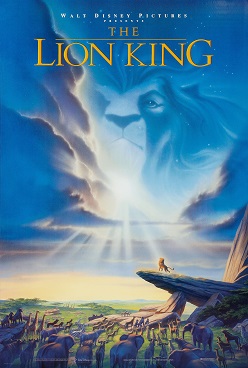
While his filmography as a primary director is heavily anchored by the monolithic success of The Lion King, his background in story development provided the foundation for his directorial approach. Prior to taking the helm, Allers honed his craft by shaping the narrative trajectories of several definitive animated works. This extensive grounding in storyboarding and character arcs translated into a directorial sensibility that prioritizes structural rigor and emotional resonance.
Consequently, his position in cinema history is inexorably tied to the evolution of the animated feature from a strictly adolescent diversion into a medium capable of bearing significant dramatic weight. He demonstrated that commercial animation could successfully integrate mythological motifs and solemn subject matter without sacrificing its fundamental appeal. His work remains a crucial touchstone for contemporary animators seeking to balance grand, archetypal storytelling with accessible entertainment.
Thematic Preoccupations
The cinema of Roger Allers is fundamentally preoccupied with the heavy burdens of legacy, responsibility, and the cyclical nature of existence. At the core of The Lion King lies a coming-of-age narrative that is elevated into the realm of myth. The protagonist must navigate the treacherous waters of familial expectation and traumatic loss, a journey that forces a confrontation with profound existential questions regarding duty and self-actualization.
Betrayal and redemption form a vital dialectic within his narrative framework. Allers does not shy away from the darker elements of the fairy tale or the Shakespearean tragic model, as evidenced by frequent critical comparisons to Hamlet. The usurpation of power and the subsequent moral decay of the natural order serve as catalysts for the hero's ultimate redemption, creating a thematic depth that resonates well beyond the confines of typical animated fare.
Furthermore, Allers engages in a continuous exploration of the tension between isolation and community. The exile of the protagonist acts as a crucible, a space where humorous undertones and seemingly carefree philosophies mask deeper traumas. Ultimately, his narratives insist on the necessity of returning to the community and assuming one's rightful place, suggesting that personal healing is inextricably linked to the restoration of social and natural harmony.
Stylistic Signatures
The visual language orchestrated by Allers is characterized by a muscular confidence and a bold, sweeping approach to composition. He frequently utilizes the expansive canvas of the frame to capture the majesty and scale of natural landscapes, effectively turning the environment into an active participant in the drama. This epic visual approach is grounded by an insistence on simple, fluid character animation that prioritizes emotional legibility over gratuitous detail.
A defining stylistic signature of his work is the integration of experimental musical sequences. Rather than treating musical numbers as mere narrative pauses, Allers employs them as gorgeously drawn, abstract expressions of interior states and thematic conflicts. These sequences often break from the established visual reality of the film, utilizing striking color palettes and surreal choreography to articulate complex emotional undercurrents.
The tonal balance in his mise-en-scene oscillates between surprising solemnity and dynamic, humorous interludes. Allers demonstrates a masterful control of editing rhythms, knowing exactly when to let a quiet, emotionally charged moment breathe and when to accelerate the pace with adventurous storytelling and scintillating peripheral characters. This synthesis of high drama and expertly timed comedic relief creates a deeply textured viewing experience that engages the heart as well as the eye.
Recurring Collaborators
The collaborative nature of studio animation makes it challenging to isolate singular partnerships in the traditional auteurist sense, and there are no identified recurring cast members across a multitude of directed features in the current database. However, the creative synthesis achieved in The Lion King speaks to a profound collaborative synergy between the director, his co-directors, and the vast apparatus of animators and voice talent.
The vocal performances in his work are particularly noteworthy for their theatricality and dramatic heft. Allers relies on actors capable of delivering lines with Shakespearean gravity while also navigating the lighter, more comedic registers demanded by the sidekicks who often steal the show. This dual requirement demands a highly specific type of vocal collaborator, one who understands the musicality of animated dialogue.
Additionally, the relationship between the director and the musical composers is of paramount importance. The seamless weaving of score, song, and narrative action requires a collaborative partnership built on a shared understanding of emotional pacing. The iconic status of the musical elements in his filmography highlights the success of these partnerships, proving that his directorial vision is immensely responsive to the contributions of his musical collaborators.
Critical Standing
The critical reception of Roger Allers is uniquely tied to the overwhelming cultural footprint of his most famous work. Upon its release, The Lion King was met with widespread acclaim, with critics frequently marveling at its surprisingly solemn subject matter and muscular, confident animation. Reviewers often positioned the film within a lineage of timeless animation classics, drawing favorable comparisons to monumental works like Bambi and Snow White and the Seven Dwarfs.
However, critical discourse surrounding his output has also involved rigorous debate, particularly regarding the underlying ideologies of his narratives. Some critics have pointed to the hoary biblical references and controversial themes regarding natural hierarchies, questioning the political implications of the text. Others have noted that while the experimental musical numbers are visually arresting, they sometimes lack a deep, underlying narrative conflict, suggesting a prioritization of spectacle over rigorous dramatic tension.
Despite these critical interrogations, Allers maintains a highly respected standing within the pantheon of animation directors. His ability to deliver emotionally charged moments that work their magic on both children and adults has solidified his reputation as a master of the form. As the years progress, his contribution to the medium is increasingly viewed as a benchmark for commercial animation, representing a peak era of artistic ambition and dramatic depth in the Hollywood studio system.