Career Overview
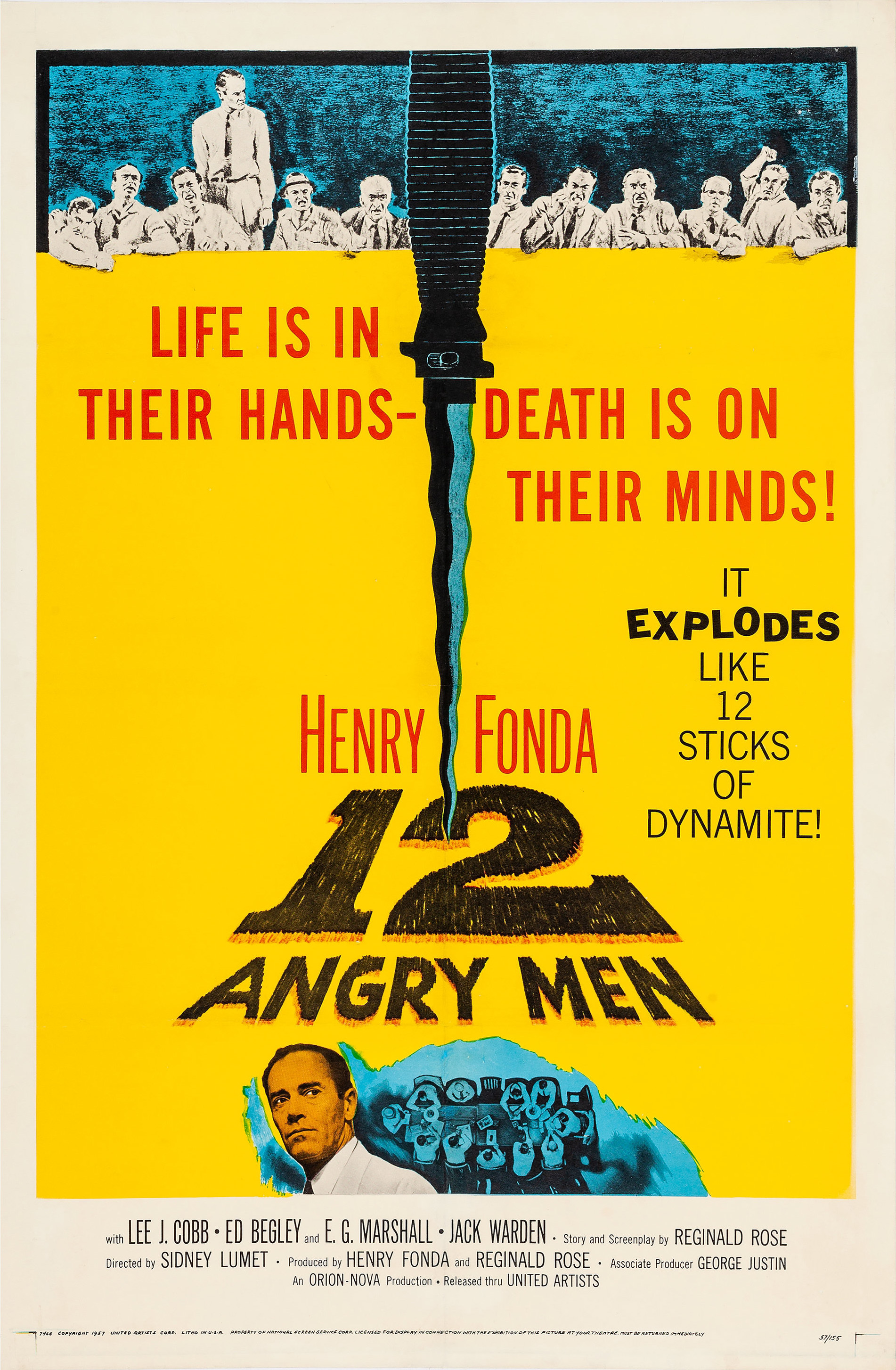
Sidney Arthur Lumet stands as a titan of twentieth-century American cinema. Emerging from the crucible of live television in the 1950s, his transition to feature filmmaking established a paradigm for socially conscious, character-driven narratives. His inaugural feature, 12 Angry Men, immediately announced a fully formed directorial voice capable of wringing staggering tension from confined spaces. Lumet did not merely adapt to the cinematic medium; he subjugated its formal properties to serve an overriding interest in human behavior under extreme duress.
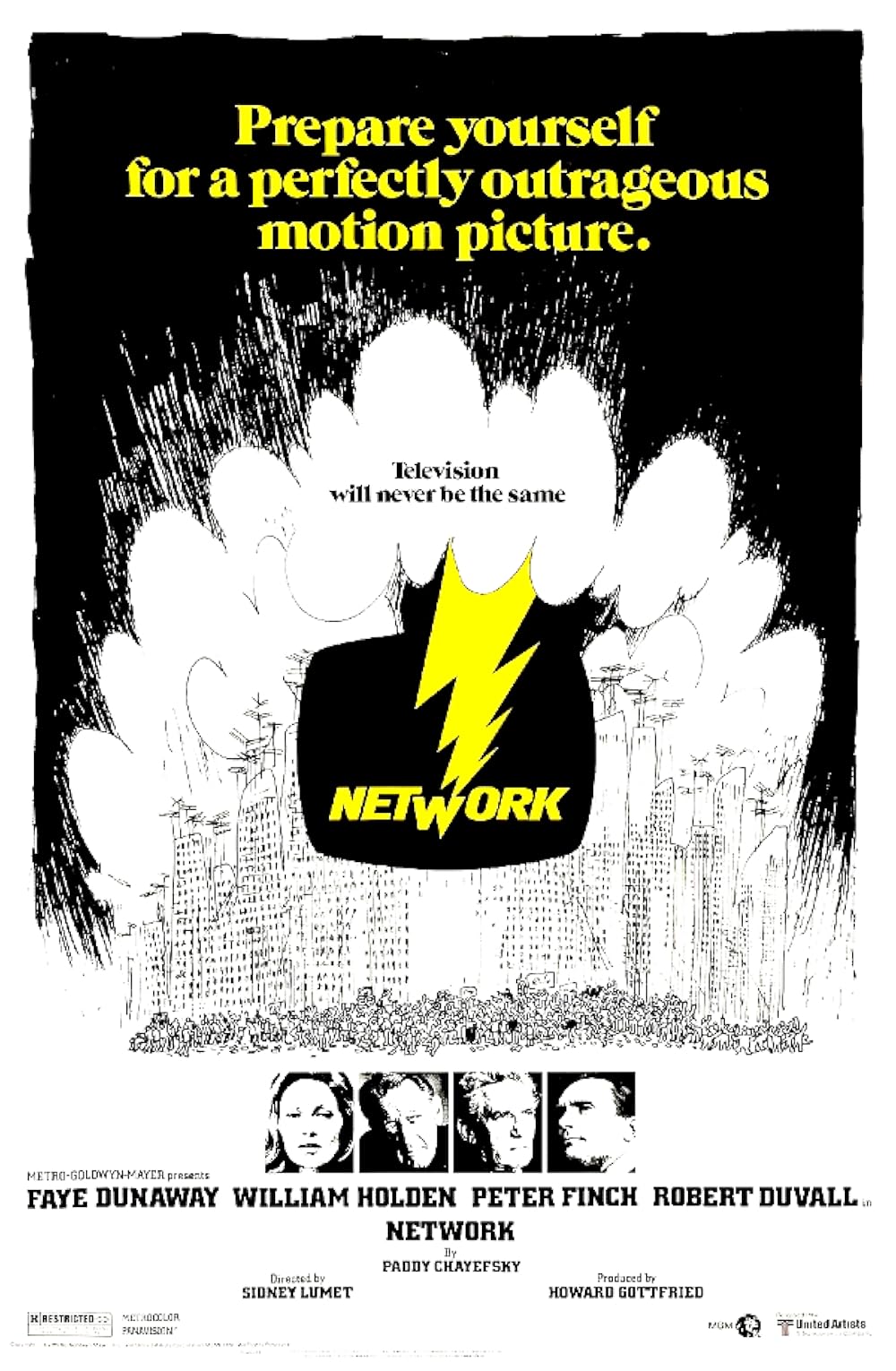
As American cinema shifted through the tumultuous decades that followed, Lumet remained a steadfast chronicler of institutional decay and moral compromise. By the time he directed Network in 1976, his purview had expanded from the intimate, claustrophobic chambers of the justice system to the sprawling, cynical corridors of corporate media. This trajectory reflects a broader mapping of American discontent, positioning him as a preeminent anatomist of systemic failure.
Unlike auteurs defined by ostentatious visual flourishes, Lumet anchored his career in a rigorous dedication to text and performance. His background in the theater and early television endowed him with a unique capacity to stage complex interpersonal dynamics. He operated with a cool intelligence and sharp precision, securing his place in cinematic history as a director who prioritized the ethical complexities of his subjects over self-conscious stylistic posturing.
Thematic Preoccupations
The bedrock of Lumet's cinema rests upon a profound interrogation of justice, prejudice, and the fragility of democracy. In 12 Angry Men, the jury room becomes a microcosm of the American republic. The film meticulously dismantles the biases and preconceived notions of its twelve protagonists, revealing how personal grievance and bigotry threaten the equitable administration of law. Lumet is obsessed with characters who find themselves cornered by the very institutions designed to protect them, forcing them into a solitary defense of democratic ideals.
Two decades later, this localized examination of systemic flaw exploded into a savage vision of corporate greed and media manipulation in Network. Here, the themes of justice are supplanted by a scathing critique of a society in thrall to the television industry. Lumet probes the terrifying transmutation of news into entertainment, exposing a ratings-obsessed culture perfectly willing to commodify American discontent. The breakdown of humanistic values is mirrored in the cheerless personal relationships of the executives, who are rendered as vivid caricatures of late-capitalist alienation.
Across both eras, a unifying philosophical concern emerges regarding the individual's capacity to withstand institutional momentum. Whether it is a lone juror demanding reasonable doubt or an unhinged anchor crying out against an anesthetized public, Lumet returns repeatedly to the solitary voice of dissent. Yet, his perspective darkens noticeably over time. While the earlier work offers a tenuous validation of human decency, the later satire presents a more punishing irreverence, suggesting that modern corporate structures have become largely impervious to moral intervention.
Stylistic Signatures
Lumet is frequently celebrated for his masterful storytelling and precise, efficient direction. His visual language is fundamentally rooted in a stylized realism that serves the emotional truth of the performance rather than drawing attention to the camera itself. Critics have rightly pointed to his work as a textbook for directors interested in how lens choices affect mood. In 12 Angry Men, Lumet famously manipulated focal lengths and camera placements, gradually shifting to longer lenses and lower angles to induce a suffocating sense of claustrophobia within a banal real-world location.
This dynamic pacing and taut visual economy carry over into his handling of dialogue-driven narratives. He treats the script as a musical score, orchestrating complex blocking that allows staggering performances to unfold without the interruption of unnecessary coverage. This restraint requires a profound trust in his actors, resulting in a supremely well-acted body of work where the psychological stakes are externalized through subtle shifts in proximity and staging. His camera is observant and analytical, maintaining a cool intelligence even amidst scenes of high theatricality.
Furthermore, Lumet demonstrates exceptional skill in managing tone, oscillating between the claustrophobic tension of legal drama and the uproarious, punishing irreverence of black comedy. In Network, the absorbing visuals and sharp precision of the framing heighten the satirical bite of the screenplay. The visual environment feels at once authentically grounded in the grit of 1970s American cinema and heightened to accommodate powerhouse performances, proving that his stylistic adaptability is precisely what makes his critiques so devastating.
Recurring Collaborators
While Lumet's vast filmography features an array of different actors and technicians, his overarching methodology relies on a deep, symbiotic relationship with writers and performers. He approached the cinematic apparatus as a mechanism to elevate the written word, making his partnerships with screenwriters central to his creative process. His collaboration with Reginald Rose on 12 Angry Men exemplifies this dynamic. Lumet brought Rose's intricate, dialogue-driven set piece to life, translating a dense theatrical text into a taut and engaging cinematic narrative without sacrificing the intellectual rigor of the original material.
Equally vital was Lumet's capacity to elicit career-defining work from his casts. He fostered an environment of rigorous rehearsal and intensive character development, treating actors as primary co-authors of the film's emotional landscape. This approach yielded extraordinary results, such as the powerhouse, uproarious performance by Peter Finch in Network, which stands as a towering achievement in 1970s cinema. Lumet's sets were renowned as actor-centric spaces where complex, sometimes cheerless human dynamics could be explored with total commitment.
Because Lumet's directorial identity was less about a rigid visual stamp and more about a consistent thematic and performance-based excellence, his recurring creative partnership was effectively with the American theater and television acting tradition itself. He continually populated his ensembles with seasoned character actors capable of delivering the staggering, highly calibrated performances his socially conscious scripts demanded. This reliance on a deep bench of theatrical talent ensured that his vivid caricatures and impassioned moral crusaders always felt dangerously real.
Critical Standing
The critical reception of Sidney Lumet's work has been historically robust, establishing him as a central figure in the pantheon of postwar American cinema. Upon its release, 12 Angry Men immediately signaled the arrival of a major talent, earning praise for its masterful direction and powerful, compelling messages. Critics lauded his ability to transform a static room into a dynamic visual experience. Over time, this debut has only grown in stature, widely analyzed as a paramount example of ethical cinema and superior dialogue-driven narrative.
With the release of Network in 1976, Lumet's critical reputation expanded to include the mantle of an acidic social prophet. Reviewers celebrated the film as a brave work of scathing satire, marveling at its punishing irreverence toward the television industry. Writers for publications like Variety and the Los Angeles Times praised the savage vision and sharp precision of his critique. Today, the film is revered not just as a landmark of 1970s American cinema, but as an enduring satire whose warnings about news-as-entertainment have proven tragically prescient.
While some contemporary critics occasionally note that his earlier moralistic dramas are beginning to show their age, Lumet's overall standing remains unassailable. He is uniquely respected for his workmanlike efficiency and his unwavering commitment to themes of democracy and social justice. He avoided the self-mythologizing tendencies of many auteur peers, preferring an identity as a pragmatic storyteller. Consequently, film historians and critics view him as an indispensable bridge between the classical Hollywood studio system and the gritty, character-obsessed New Hollywood revolution.