Career Overview
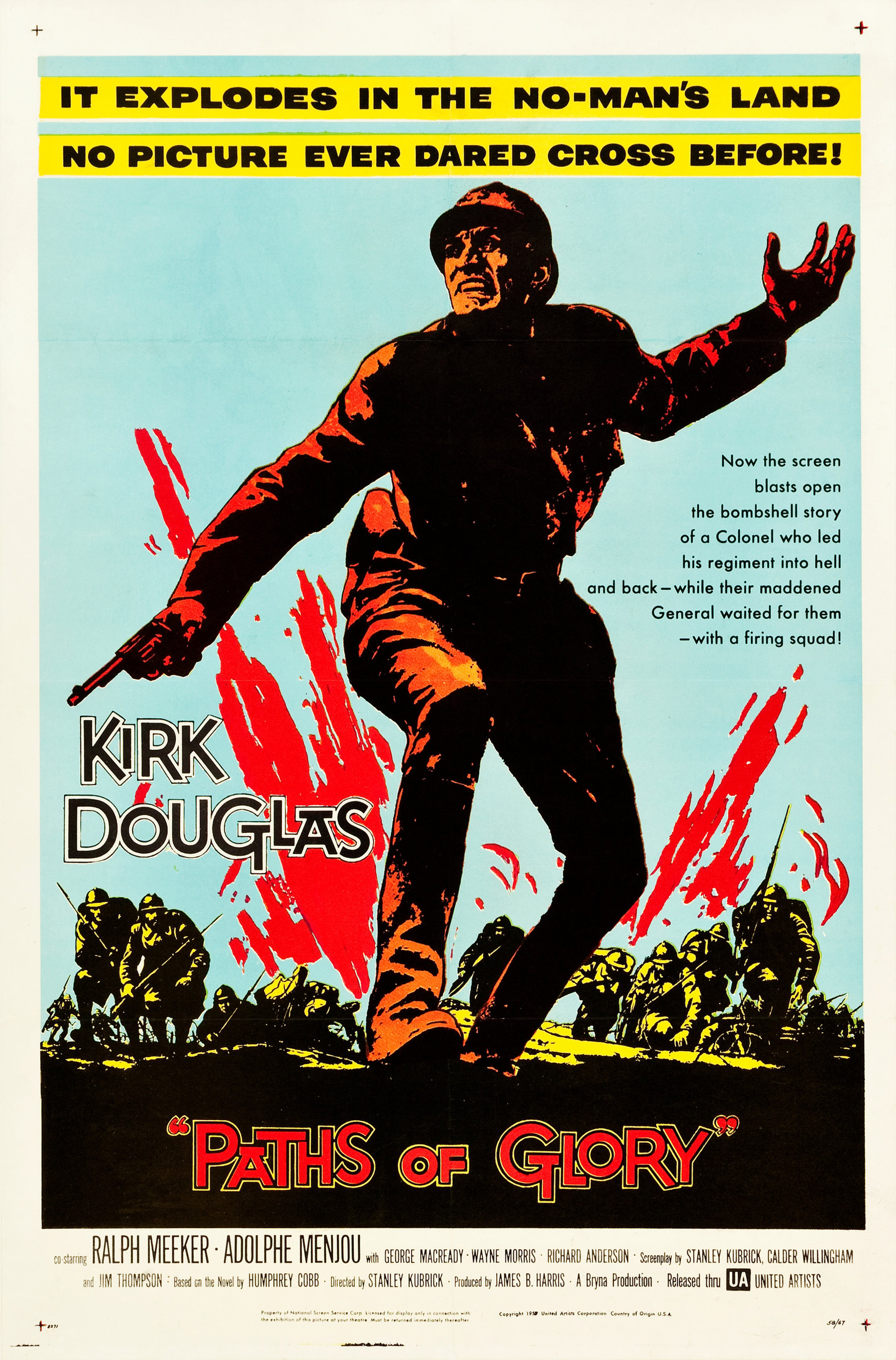
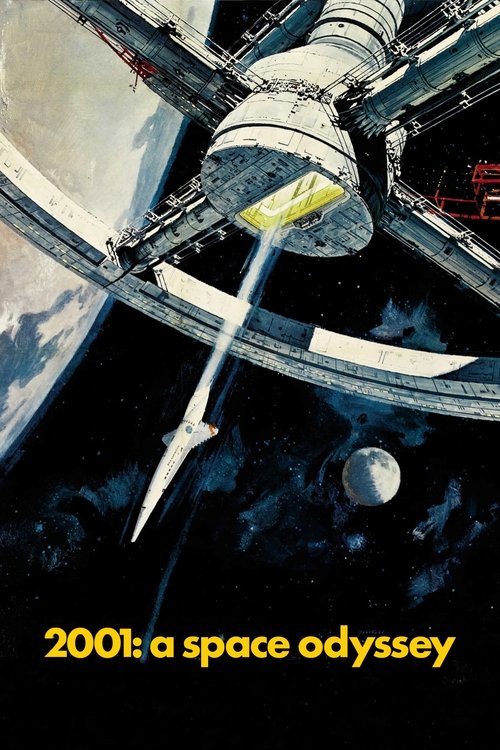
Stanley Kubrick holds a monolithic position in the pantheon of cinema history. From his early ventures in photojournalism to his emergence as an uncompromising auteur, his career arc represents a relentless pursuit of formal perfection. He moved from the grim trenches of World War I in Paths of Glory to the sprawling cosmic ballet of 2001: A Space Odyssey, cementing his reputation as a filmmaker who refused to be constrained by genre conventions.
Developing his craft outside the traditional studio system, Kubrick relocated to the United Kingdom, a move that allowed him unprecedented creative control. This self-imposed exile fostered an environment where he could meticulously construct his intricate narratives without external interference. The resulting autonomy is evident in the precise execution of Dr. Strangelove or: How I Learned to Stop Worrying and Love the Bomb, where his cynical worldview first found its fully matured cinematic voice.
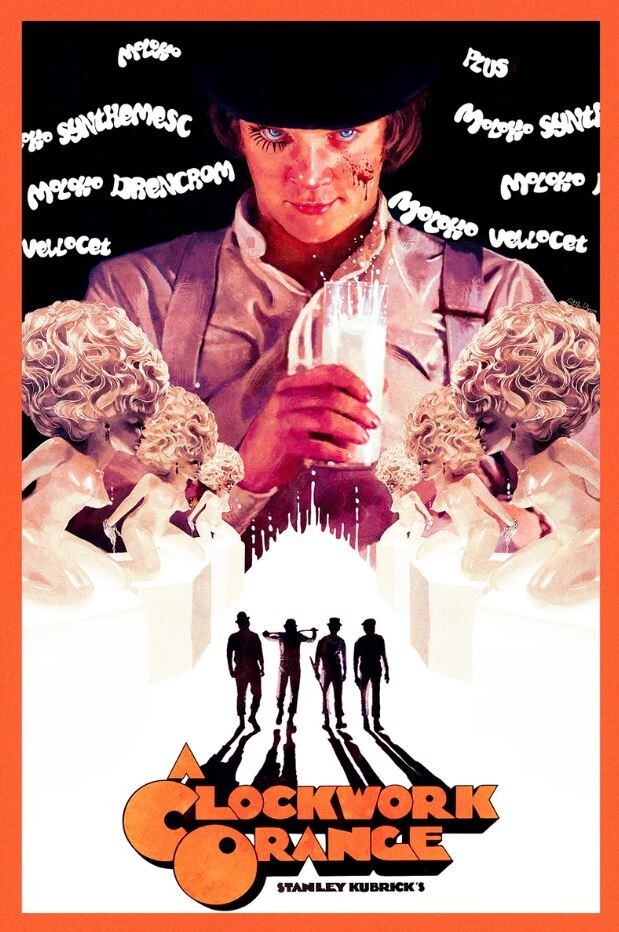
The middle to late periods of his career showcase a director continually pushing the boundaries of technological and narrative possibilities. From the controversial dystopian landscape of A Clockwork Orange to the rigorous historical reconstruction of Barry Lyndon, Kubrick dismantled the conventions of classical Hollywood cinema. His filmography, though relatively sparse in his later decades, remains a testament to an artist who prioritized conceptual rigor and architectural narrative over prolific output.
Thematic Preoccupations
The cinema of Stanley Kubrick is fundamentally obsessed with the dehumanizing effects of institutional power and the inherent flaws of human nature. In Full Metal Jacket, the director examines how military structures systematically dismantle individual identity to forge instruments of violence. The grueling boot camp sequences underscore a grim reality where humanity is stripped away, echoing the critique of military hierarchy and moral ambiguity previously explored in Paths of Glory.
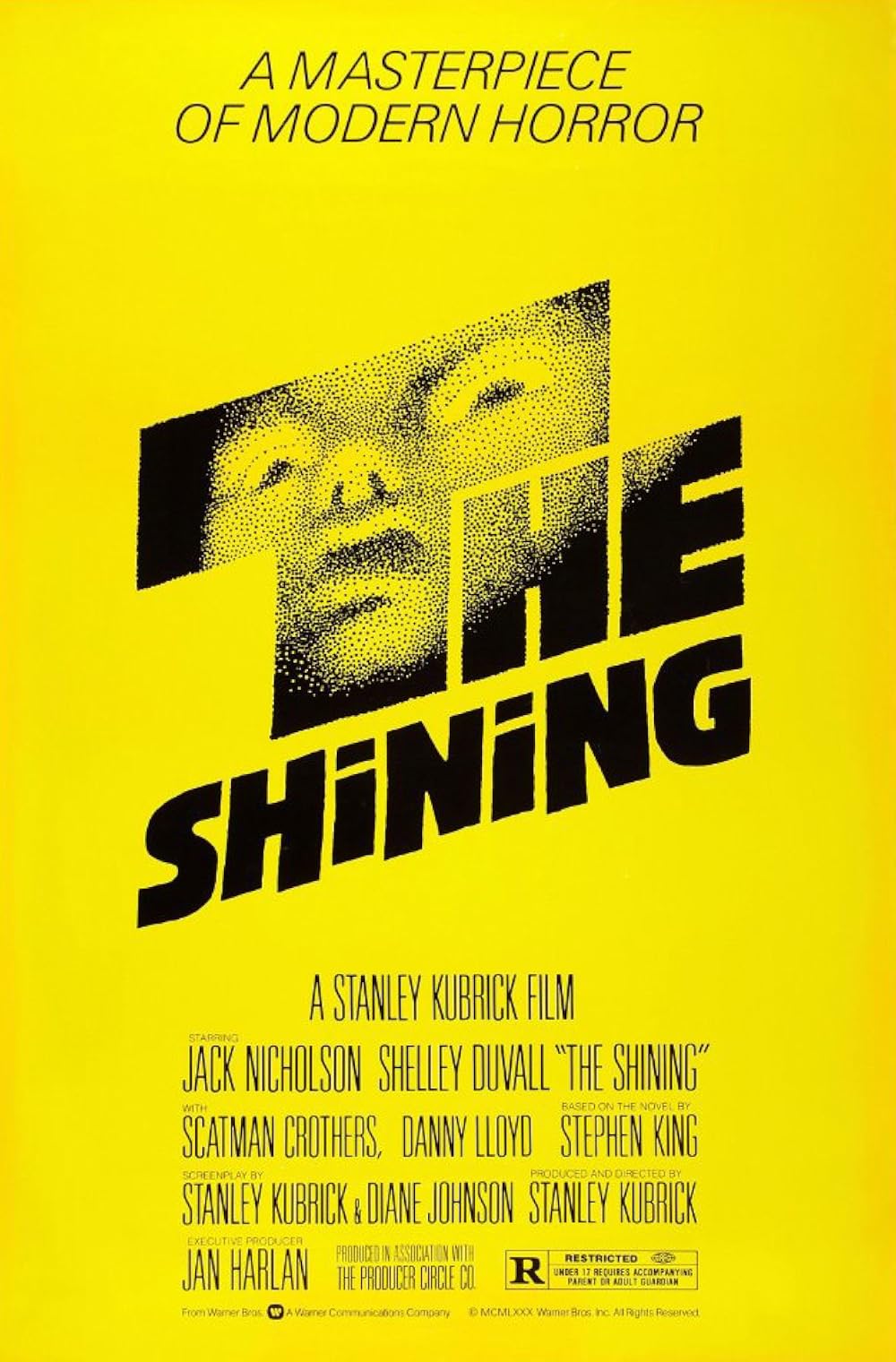
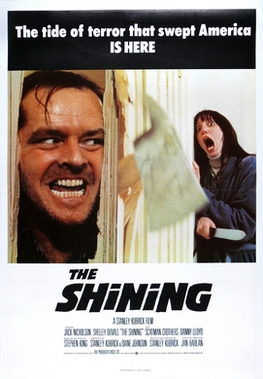
Isolation and the fragility of the human psyche serve as another major thematic pillar. The Shining isolates its characters in a remote winter setting to dissect family dynamics and psychological horror. As the protagonist succumbs to madness, Kubrick investigates how the claustrophobia of domestic life can become a crucible for latent violence. This exploration of domestic abuse and psychological unraveling suggests that true monstrosity is not supernatural but deeply embedded in human biology.
The conflict between free will and systemic control permeates his dystopian and science fiction works. A Clockwork Orange raises profound questions regarding state intervention and the morality of stripping an individual of their choice to commit violence. Similarly, 2001: A Space Odyssey posits a vision of human evolution where mankind is perpetually outpaced by its own technological creations, highlighted by the calculating intelligence of the HAL 9000 computer.
Across these diverse narratives, Kubrick maintains a darkly comedic and deeply cynical view of human opportunism. Whether portraying the social climbing of the titular rogue in Barry Lyndon or the absurd political satire of the Cold War in Dr. Strangelove or: How I Learned to Stop Worrying and Love the Bomb, he exposes the absurdity of human ambition. The recurring conclusion is a bleak portrayal of a world governed by entropic decay, where individuals are trapped by their own flawed architectures.
Stylistic Signatures
Visually, Kubrick is renowned for a cold and clinical aesthetic defined by rigorous symmetrical framing and an almost mathematical approach to mise-en-scene. His deployment of single-point perspective draws the viewer into a highly ordered but unsettling cinematic environment. This uncompromising style fosters an emotionally distant storytelling technique, inviting audiences to observe the unfolding tragedy with cold calculation rather than sentimental attachment.
A masterclass in cinematography, his work often pioneers new technological frontiers to achieve specific psychological effects. In Barry Lyndon, Kubrick utilized specialized lenses to shoot exclusively under natural light and candlelight, achieving magnificent visuals that mimic eighteenth-century portraiture. Conversely, The Shining famously pioneered the use of the Steadicam, transforming the winding corridors of the Overlook Hotel into a fluid and hypnotic maze that heightens the psychological dread.
The juxtaposition of classical music against images of extreme violence or banality is a hallmark of his auditory landscape. The waltzes of 2001: A Space Odyssey transform space travel into an awe-inspiring ballet, while the synthetic Beethoven scores in A Clockwork Orange create a deeply ironic counterpoint to onscreen brutality. This deliberate audio-visual dissonance forces the spectator into a space of active intellectual engagement, stripping away the comfort of passive consumption.
Kubrick also favors a stark and binary narrative structure, often splitting his films into distinct and mirrored halves. The broken-backed structure of Full Metal Jacket perfectly illustrates this technique, fracturing the narrative between the clinical horrors of boot camp and the chaotic street fighting of the Tet Offensive. This architectural approach to pacing ensures that his films resonate as complex and ambiguous puzzles that demand repeated analysis.
Recurring Collaborators
While Kubrick is often mythologized as a solitary genius, his monumental achievements were significantly bolstered by key creative partnerships. He demanded absolute dedication from his performers, pushing them to the absolute limits of their craft. Jack Nicholson delivered two landmark performances under Kubrick, perhaps most famously chewing the scenery with a thrillingly scabrous and black-comic turn in The Shining. The menacing and captivating nature of Nicholson allowed the director to externalize the internal decay of the protagonist.
The ensemble cast of The Shining also highlights his tendency to rely on specific character actors to anchor his bizarre worlds. Shelley Duvall endured an infamously grueling production to deliver a performance of palpable and hysterical terror that perfectly balances Nicholson. Additionally, actors like Joe Turkel and Scatman Crothers returned to work with Kubrick across multiple projects, providing a sense of continuity in his otherwise disparate cinematic universes.
Patrick Magee is another notable recurring face, bringing a distinct theatrical gravity to his roles. His presence in A Clockwork Orange alongside his earlier work in Barry Lyndon demonstrates a preference for actors who can convey both high intellect and profound psychological distress. These performers became essential instruments in realizing the uncompromisingly ugly depictions of human cruelty that define the director's worldview.
Behind the camera, Kubrick often maintained tight control, yet he fostered crucial technical collaborations to realize his visionary demands. His partnership with Steadicam inventor Garrett Brown during the production of The Shining fundamentally altered the grammatical possibilities of camera movement. These technological alliances were critical in translating his demanding visual schematics into tangible cinematic realities.
Critical Standing
The critical reception of Stanley Kubrick has undergone a fascinating evolution, often shifting from initial bewilderment to eventual canonization. Upon release, his films frequently alienated contemporary reviewers due to their baroque uncertainty and chilly emotional registers. Works like Full Metal Jacket were initially critiqued for their unsettling structures, drawing unfavorable early comparisons to contemporaries like Platoon or The Deer Hunter before being recognized for their schematic brilliance.
Over time, however, Kubrick has ascended to the highest echelons of critical reverence. 2001: A Space Odyssey is now universally regarded as a masterpiece and a cinematic achievement that redefined science fiction. Similarly, The Shining transcended its initial mixed reviews to become a cornerstone of the horror genre, frequently compared to touchstones like Psycho and The Exorcist for its radical distillation of domestic dread and atmospheric tension.
Today, academic and critical discourse routinely centers on his thematic obsession with social injustice and the inevitability of entropy. Scholars praise the unflinching realism and anti-war sentiment of Paths of Glory, noting its enduring influence on subsequent generations of filmmakers. His meticulous direction and philosophical depth ensure that his films are continuously re-evaluated, remaining fiercely relevant in discussions of cinematic form.
Despite occasional detractors who argue that his emotionally distant storytelling precludes genuine human connection, the consensus remains that his icy detachment is exactly what makes his work profound. By maintaining this distance, Kubrick provides a unique and unsentimental insight into human opportunism and folly. He remains an enduring titan of the medium, leaving behind a legacy that continues to challenge, provoke, and fascinate the cinematic world.