Career Overview
Thomas Vinterberg holds a singular position in contemporary European cinema. He is a filmmaker who continually probes the fragile boundaries of civilized society. Although initially recognized for his foundational role in avant-garde cinematic movements, his subsequent evolution reveals a director deeply invested in classical narrative structures infused with modern psychological complexity. His work consistently investigates the dark underbelly of provincial life, stripping away the veneer of communal harmony to expose a volatile core.
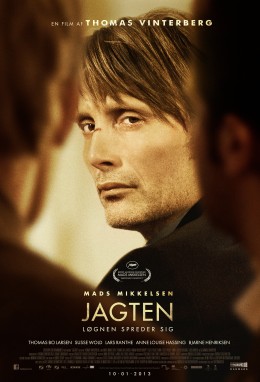
The trajectory of his career demonstrates a deliberate shift toward meticulously constructed drama. By focusing on intimate community settings, Vinterberg creates localized microcosms that reflect broader societal anxieties. Films like The Hunt demonstrate his mature command of storytelling, where inciting incidents serve as catalysts for widespread moral panic. He navigates these narratives with a clinical yet deeply empathetic eye, demanding rigorous engagement from his audience.
Ultimately, Vinterberg operates as a cinematic sociologist. He dissects the architecture of male bonding, societal expectations, and collective hysteria. His films are cautionary tales that resonate well beyond their immediate Scandinavian context, cementing his reputation as a master of the psychological thriller disguised as domestic drama. His ability to fuse terrifying atmosphere with intelligent dialogue keeps him at the vanguard of modern auteur cinema.
Thematic Preoccupations
At the center of Vinterberg's cinematic universe lies a relentless examination of community dynamics and the fragility of social trust. He frequently explores how tightly knit groups fracture under the weight of suspicion. The theme of wrongful accusation, most powerfully articulated in The Hunt, serves as his primary vehicle for this exploration. A mere rumor is enough to dismantle a man's life, illustrating what critics have identified as society's eager, self-righteous naivete.
This preoccupation with communal judgment draws explicit parallels to Arthur Miller's exploration of collective hysteria in The Crucible. Vinterberg updates this framework for the contemporary era, investigating the loss of innocence and the tragic consequences of unchecked moral panic. The specter of sexual abuse is treated not merely as a plot device but as a profound psychological trauma that infects the entire community, turning benevolent neighbors into ruthless vigilantes.
Underneath the harrowing drama, a vein of exceedingly black comedy often pulses through his narratives. Vinterberg uses this dark humor to parody the self-serving nature of proper society. When a community turns against an individual, the swift escalation from civility to brutality echoes the primal violence found in Sam Peckinpah's Straw Dogs, as well as the cynical social commentary of Lars von Trier's Dogville. Through these varied thematic lenses, Vinterberg asks unsettling questions about human nature and the perilous illusion of communal security.
Stylistic Signatures
Vinterberg constructs a visual and auditory language that amplifies psychological tension to an almost unbearable degree. Rather than relying on overt stylization, he grounds his films in a stark, naturalistic realism that slowly warps as the narrative progresses. This approach allows him to build a terrifying atmosphere incrementally. Critics frequently note that he directs domestic dramas with the atmospheric grip of a traditional horror film, turning everyday spaces like kindergartens and grocery stores into arenas of absolute dread.
A crucial element of this escalating dread is Vinterberg's reliance on intelligent dialogue and meticulously paced editing rhythms. He allows conversations to breathe, establishing a baseline of mundane reality before introducing disruptive elements. When the communal harmony fractures, the camera becomes more intrusive and claustrophobic, mirroring the protagonist's sense of agonizing isolation. This careful modulation ensures that the devastating impact of the narrative is earned rather than artificially imposed.
Furthermore, Vinterberg exhibits a masterful command of tone. He seamlessly transitions from quiet, observational sequences to moments of intense emotional violence. The visual palette often reflects the psychological state of the community, shifting from the warm hues of male bonding and festive gatherings to cold, isolating tones as alienation takes hold. It is this precise orchestration of cinematic tools that makes his storytelling so powerful and enduringly resonant.
Recurring Collaborators
While the current database sample does not highlight a sprawling repertory company of actors across multiple projects, Vinterberg's filmmaking relies heavily on intense, trusting collaborations with his leading performers. The psychological weight of his narratives requires actors capable of anchoring the film amidst swirling communal hysteria. This symbiotic relationship between director and actor is paramount to his cinematic success, functioning as the emotional anchor for his rigorous social critiques.
The most glaring example of this fruitful dynamic is his work with Mads Mikkelsen. In The Hunt, Vinterberg harnesses Mikkelsen's profound ability to convey internal turmoil with minimal dialogue. Critics have lauded Mikkelsen's performance as impressively modulated, a testament to Vinterberg's skill in guiding actors through complex emotional landscapes. Together, they create a portrait of a man enduring a living nightmare, demanding deep mutual trust to explore such agonizing vulnerability.
Beyond on-screen talent, Vinterberg's collaborations extend to his screenwriters and cinematographers, who share his vision for stark, intelligent storytelling. These behind-the-camera partnerships are essential for crafting the terrifying atmospheres and tightly wound narratives that define his oeuvre. The resulting films feel less like the product of a solitary auteur and more like a unified ensemble effort to dissect the darkest corners of the human condition.
Critical Standing
Vinterberg occupies a prestigious and highly scrutinized place within international film criticism. Reviewers consistently praise his ability to craft gripping narratives that function as severe cautionary tales. His works are frequently described as devastating and heedful, serving as tragic reminders of how quickly civilized behavior can disintegrate. This critical consensus points to a filmmaker who commands deep respect for his unflinching moral interrogations and his refusal to offer easy consolations.
The discourse surrounding Vinterberg often involves rich comparative analysis. Critics frequently liken his thematic rigor to Arthur Miller's The Crucible, noting his adept handling of collective paranoia and wrongful accusation. Furthermore, his ability to inject primal violence into domestic settings draws favorable comparisons to Sam Peckinpah's Straw Dogs, while his cynical view of community dynamics aligns him with the provocations of Lars von Trier's Dogville. These comparisons elevate Vinterberg from a mere storyteller to an essential social critic.
Over time, his reputation has only solidified as a master of the psychological drama thriller. Major publications have championed his work, highlighting his exceptional talent for creating an atmospheric grip that rivals the horror genre. Today, Vinterberg is celebrated not just for his historical contributions to cinematic movements, but for his sustained ability to deliver powerful storytelling that dissects the fragile hypocrisies of modern society.