Career Overview
William Wyler occupies a unique position in the pantheon of American cinema, functioning as a bridge between classical Hollywood studio craftsmanship and the evolving demands of post-war cinematic realism. His career arc reflects the broader transformations of the film industry, moving from efficient silent era productions to socially conscious prestige dramas, and finally to massive widescreen epics. Wyler was never simply a studio journeyman. He was a meticulous architect of narrative, renowned for his demanding nature and his ability to extract profound emotional truths from his performers.
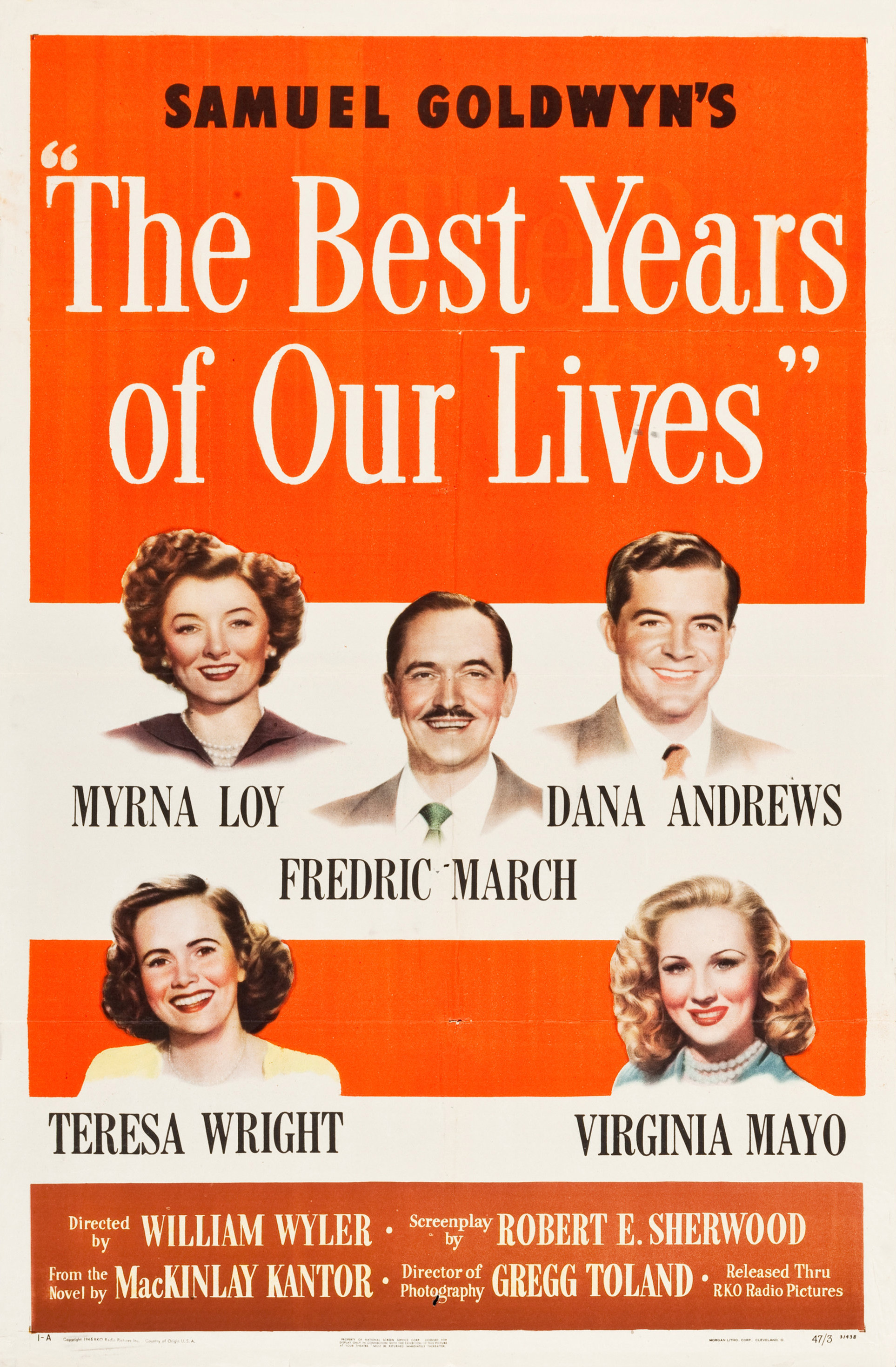
His developmental trajectory is deeply entwined with the history of the medium itself. He began his career in the silent era, notably working as an assistant director on the 1925 iteration of the chariot racing epic that he would later define for a new generation. By the time he returned from his own service in World War II, Wyler had matured into a filmmaker deeply preoccupied with the psychological realities of contemporary American life. This maturation found its ultimate expression in The Best Years of Our Lives, a project inspired by his own homecoming. This era of his career cemented his reputation as a director capable of fusing intimate human dramas with broad societal critiques.
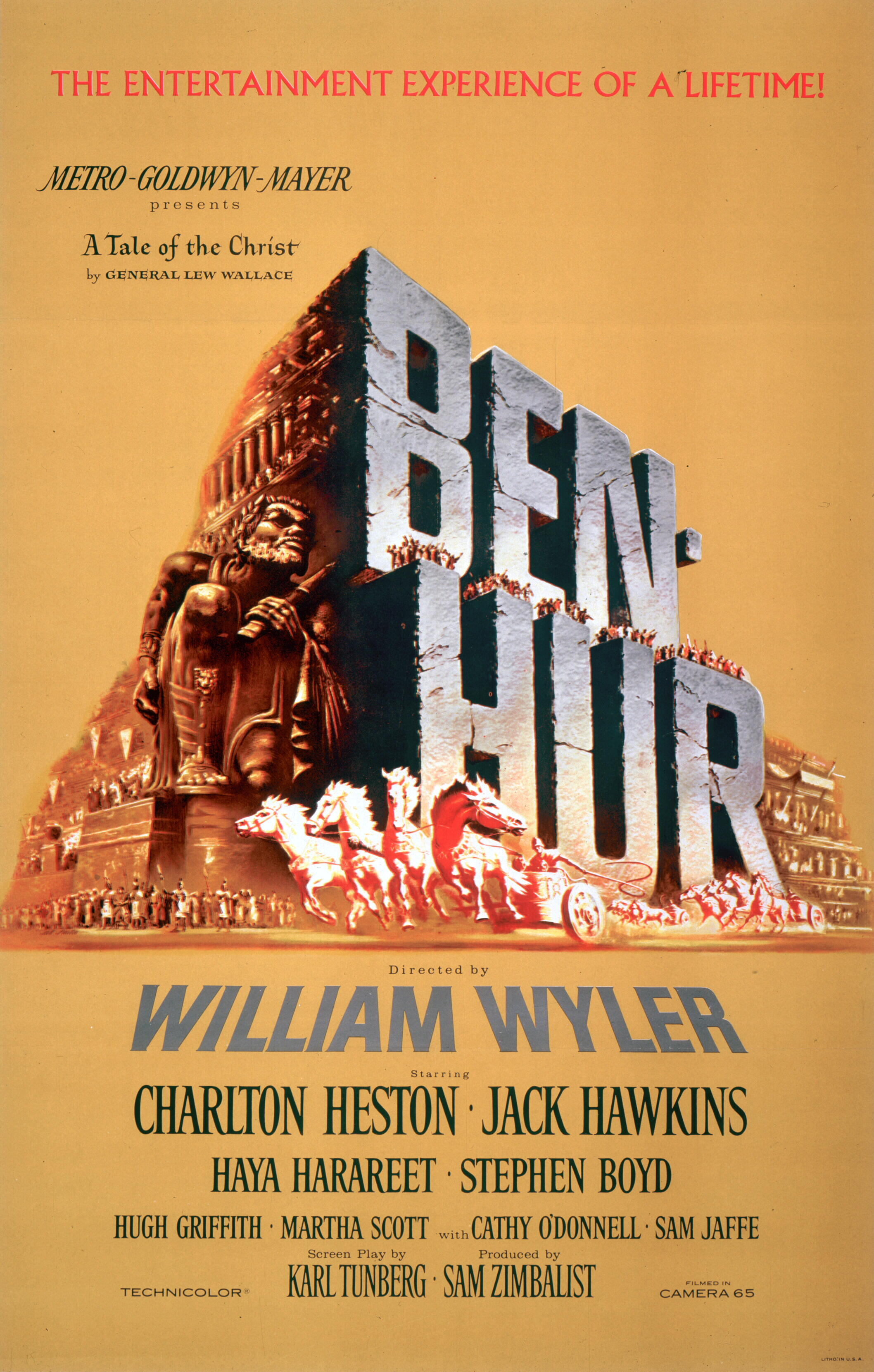
As the studio system faced structural challenges in the 1950s, Wyler adapted by embracing unprecedented scale. The late phase of his career is characterized by an undeniable grandiosity, most famously realized in Ben-Hur. While some contemporary reassessments view this period as yielding bloated box office hits, Wyler nonetheless proved his mastery over colossal logistical challenges. He demonstrated an unparalleled capacity to manage multimillion dollar budgets while still anchoring monumental action sequences to recognizable human emotions.
Thematic Preoccupations
A central philosophical preoccupation in the cinema of William Wyler is the profound difficulty of human reintegration following periods of extreme trauma and displacement. His protagonists are frequently exiles or veterans who must navigate a world that has moved on without them. In The Best Years of Our Lives, this theme is explored through the agonizing post-war adjustment of three soldiers returning to the American Midwest. The film confronts the alienation of these men, utilizing their veteran struggles to interrogate the myth of a seamless return to civilian life. Similarly, in Ben-Hur, the titular character experiences a brutal exile and enslavement before returning to a homeland fundamentally altered by imperial occupation.
Wyler is equally obsessed with the intricacies of family dynamics under pressure. He consistently positions the domestic sphere not as a safe haven, but as a crucible where broader social and historical conflicts are intimately felt. The family unit in his work is often fractured by historical events, forcing characters to forge new bonds or painstakingly repair broken ones. Whether documenting the marital strains of returning soldiers or the destruction of a noble Judean house, Wyler examines how macrocosmic political realities infiltrate and destabilize microcosmic personal relationships.
Furthermore, a palpable tension between duty and personal desire permeates his filmography. Wyler frequently isolates his characters in moments of moral crisis, forcing them to choose between vengeance and forgiveness, or between societal expectations and their own psychological survival. This thematic complexity elevates his narratives above standard Hollywood melodrama. By grounding his grandiose, epic scale storytelling in sincere, deeply felt character exploration, Wyler ensures that his thematic inquiries resonate with a timeless, insightful poignancy.
Stylistic Signatures
The visual language of William Wyler is most frequently characterized by an absolute precision in spatial composition, a technique that reached its zenith through his collaboration with cinematographer Gregg Toland. In The Best Years of Our Lives, Wyler utilizes deep focus cinematography to articulate the psychological distance between characters within the same frame. Instead of relying on rapid editing to direct the attention of the audience, he stages complex actions in depth. This allows viewers to observe simultaneous reactions and underscores the isolating nature of post-war trauma without explicitly stating it in the dialogue. Such remarkable visuals invite frequent comparisons to the groundbreaking techniques seen in Citizen Kane.
Conversely, when working on a grandiose production scale, Wyler demonstrates an unmatched command of kinetic action and sweeping widescreen compositions. His direction of Ben-Hur showcases an audacious achievement in visual spectacle. By constructing the entire film around monumental set pieces like the galley ship insurrection and the chariot race, Wyler creates an unprecedented widescreen experience. Even amid massive logistical challenges, his staging remains lucid. The visceral impact of his action sequences has echoed through decades of cinema, visibly influencing modern spectacles from Gladiator to The Phantom Menace.
Despite his capacity for epic scale, Wyler frequently anchors his films in a remarkably understated style, prioritizing realistic portrayals over heightened theatricality. He often extracts deeply sincere performances through exhaustive rehearsal and multiple takes, a rigorous process that yields an almost documentary authenticity. The casting of untrained actor Harold Russell in The Best Years of Our Lives introduced pre-historical hints of Method acting to the studio system, bringing a raw, unvarnished truth to the screen. This blend of meticulous formal control and unadorned emotional realism remains a defining signature of Wyler as an auteur.
Recurring Collaborators
Wyler understood that profound cinematic achievements are rarely solitary endeavors, and his career is defined by strategic, recurring collaborations with master technicians and gifted performers. Most crucial to his visual legacy was his partnership with cinematographer Gregg Toland. Together, they refined the use of deep focus photography, turning it into a vital narrative tool rather than a mere technical gimmick. Their combined efforts allowed Wyler to stage complex, multilayered scenes that required minimal cutting, a stylistic choice that profoundly shaped the aesthetic of his most acclaimed post-war work.
On screen, Wyler relied heavily on a trusted stable of actors who could deliver the nuanced, realistic performances his rigorous directorial style demanded. He frequently collaborated with accomplished professionals like Fredric March and Myrna Loy, whose profound onscreen chemistry anchored the domestic drama of his post-war narratives. Furthermore, the recurring presence of actors like Dana Andrews and Teresa Wright provided his films with a grounded, everyman quality. These performers were instrumental in executing Wyler's vision, bringing a necessary subtlety to stories that could easily have slipped into outright melodrama.
Beyond the established stars, Wyler demonstrated a unique facility for working with specialized character actors and even non-professionals. Frequent appearances by talents such as Cathy O'Donnell, Virginia Mayo, and musician Hoagy Carmichael added texture and vernacular authenticity to his cinematic worlds. Most notably, Wyler's collaboration with untrained actor Harold Russell proved revolutionary. By guiding Russell to a performance of astonishing resilience and strength, Wyler challenged established Hollywood casting conventions and achieved a level of sincere representation that remains a touchstone for humanist filmmaking.
Critical Standing
The critical standing of William Wyler has undergone significant fluctuations, reflecting broader shifts in film theory and critical tastes. During his peak, he was among the most lauded filmmakers in Hollywood history, routinely garnering massive box office returns and unprecedented Academy Award recognition. Films like The Best Years of Our Lives were instantly recognized as monumental cultural events, praised for their moving emotional impact and their insightful commentary on contemporary American struggles. At the time of its release, the film was favorably compared to groundbreaking works of neorealism such as Open City, signaling Wyler's status as a serious, socially engaged artist.
However, with the rise of the auteur theory in the 1960s, Wyler's critical reputation suffered a temporary decline. Critics began to view his meticulous craftsmanship and reliance on literary adaptations as evidence of a polished studio technician rather than a visionary auteur. This critique was often compounded by the grandiose, mammoth scale of his later works like Ben-Hur. While the film was an enormous financial success and a technical marvel, some retrospective reviews have characterized it as a bloated behemoth, criticizing its pacing challenges and viewing it more as an impressive feat of logistics than a deeply personal artistic statement.
Today, Wyler has been largely recuperated by modern critics, who recognize his absolute mastery of cinematic grammar and his profound influence on subsequent generations of filmmakers. The sophisticated visual strategies he employed are now routinely compared to the innovations of Citizen Kane, validating his status as a formal innovator. Furthermore, the action sequences he pioneered continue to serve as the gold standard for epic filmmaking, directly inspiring directors of modern blockbusters like Days of Thunder. Ultimately, Wyler is celebrated as a peerless director of actors and a vital chronicler of the American experience, whose finest works retain a deep character exploration and lasting emotional resonance.